Announced by the USPS July 24th
The Scott Catalogue number is 5311.
Updated August 2nd, from the Postal Bulletin:
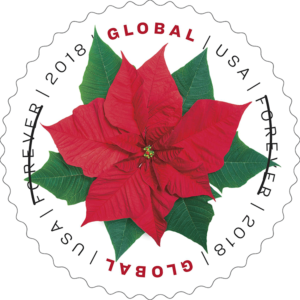 On August 26, 2018, in Kansas City, MO, the U.S. Postal Service® will issue the Global Poinsettia stamp (Global Forever® priced at the First-Class Mail International® rate) in one design, in a pressure-sensitive adhesive (PSA) pane of 10 stamps (565900). The stamp will go on sale nationwide August 26, 2018.
Global Poinsettia is a new Global Forever international rate stamp that can be used to mail a 1-ounce letter to any country to which First-Class Mail International® service is available. A striking photograph of a poinsettia arranged against a white background graces this round holiday stamp. Taken from above, the photo captures the beauty of the green leaves, the red bracts, and the yellow flowers in the center of the plant. Text repeated twice around the circumference of the stamp reads “GLOBAL” in bold red letters and “USA,” “FOREVER,” and “2018” in black. William J. Gicker was the art director and Greg Breeding designed the stamp with an existing photograph by Betsy Pettet.
How to Order the First-Day-of-Issue Postmark:
Customers have 120 days to obtain the first-day-of-issue postmark by mail. They may purchase new stamps at their local Post Office or at The Postal Store® website at usps.com/shop. They must affix the stamps to envelopes of their choice, address the envelopes (to themselves or others), and place them in a larger envelope addressed to:
FDOI – Global Poinsettia Stamp
USPS Stamp Fulfillment Services
8300 NE Underground Drive, Suite 300
Kansas City, MO 64144-9900
After applying the first-day-of-issue postmark, the Postal Service™ will return the envelopes through the mail. There is no charge for the postmark up to a quantity of 50. There is a 5-cent charge for each additional postmark over 50. All orders must be postmarked by December 26, 2018.
Technical Specifications:
Issue: Global Poinsettia Stamp
Item Number: 565900
Denomination & Type of Issue: Global Forever International Rate
Format: Pane of 10 (1 design)
Series: N/A
Issue Date & City: August 26, 2018, Kansas City, MO 64108
Art Director: William J. Gicker
Designer: Greg Breeding
Typographer: Greg Breeding
Existing Photo: Betsy Pettet
Modeler: Sandra Lane/Michelle Finn
Manufacturing Process: Offset, Microprint
Printer: Banknote Corporation of America
Printed at: Browns Summit, NC
Press Type: Alprinta 74
Stamps per Pane: 10
Print Quantity: 100,000,000 stamps
Paper Type: Phosphor, Block tagged
Adhesive Type: Pressure-sensitive
Processed at: Banknote Corporation of America, Browns Summit, NC
Colors: 186 Red, Cyan, Magenta, Yellow, Black
Stamp Orientation: Round
Image Area (w x h): 1.2 x 1.2 in./30.48 x 30.48 mm
Overall Size (w x h): 1.414 x 1.414 in./35.916 x 35.916 mm
Full Pane Size (w x h): 8.4 x 4.041 in./213.36 x 102.641 mm
Plate Size: 120 stamps per revolution
Plate Numbers: “B” followed by five (5) single digits
Marginal Markings:
Front: Plate number in four corners of pane
Back: ©2018 USPS • USPS logo • Barcode (565900) on each stamp • Plate position diagram • Promotional text
Original July 24th announcement:
Celebrate the holidays with Poinsettia, a new Global Forever stamp. This stamp can be used to mail a 1-ounce letter to any country where First-Class Mail International service is available. As with all Global Forever stamps, this stamp will have a postage value equivalent to the price of the single-piece First-Class Mail International 1-ounce machineable letter in effect at the time of use. These stamps can also be used domestically.
The stamp art features a photo of a poinsettia. Taken from above, the photo captures the beauty of the green leaves, the red bracts, and the yellow flowers in the center of the plant.
Poinsettias are now as much a part of the holidays as evergreens and mistletoe; tens of millions of plants are sold during the season.
The art director for this stamp was William J. Gicker. Greg Breeding designed the stamp with an existing photograph by Betsy Pettet.
The new Global Forever stamps are being issued in self-adhesive panes of 10.
Updated July 26th:
This stamp will be issued August 26th with no ceremony and a Kansas City postmark.
Updated August 18th:
Here’s is the Digital Color Postmark for this issue: 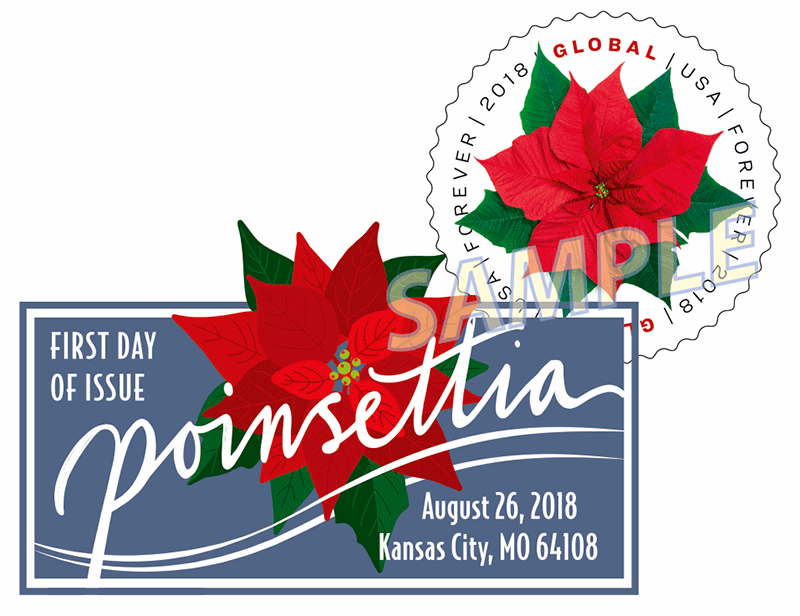 It measures 2.47″ x 1.49″. Here is the B&W pictorial postmark:
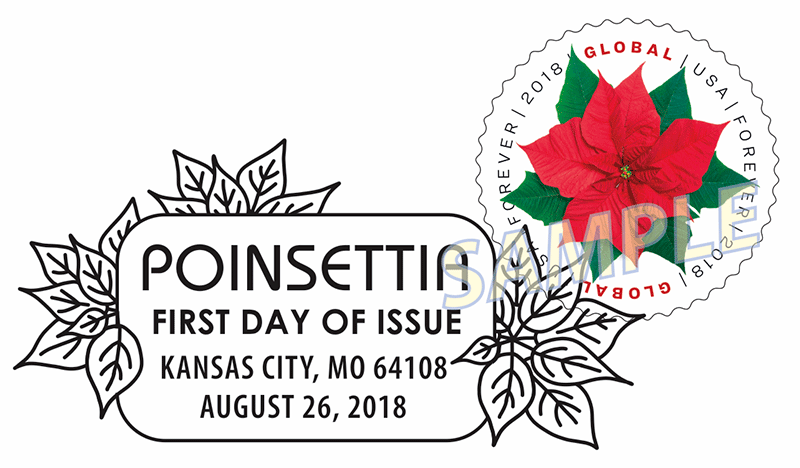 It measures 2.94 x 1.44″.
 I’m often critical of the USPS, but this decision makes no sense to me. The justices say the agency made $2.1 billion from the sale of 4.9 billion stamps. That’s the gross, at 44 cents per stamp. The printing cost is a small fraction of the selling price, but a stamp represents a payment, whether it’s a tax on alcohol or playing cards, or, in the case of postage stamps, for delivering a piece of mail.
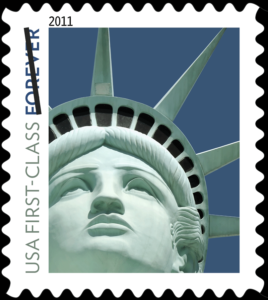 Most of us would be thrilled to see our work on a postage stamp, nationally distributed through more than 30,000 retail outlets and ending up in millions of homes and businesses.
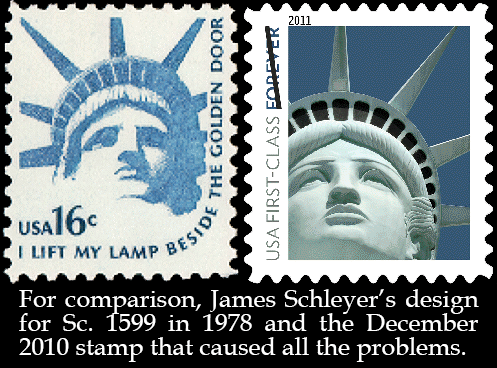 The mistake, as well as other incorrect stamp designs (the wrong African-American cowboy’s picture, putting the Grand Canyon in the wrong state, and, of course, the Korean War Veterans Memorial stamp), are affecting my part of stamp collecting: The USPS now triple-checks everything, runs it all past attorneys, then triple-checks everything again, and first day cover collectors and servicers are getting information about new issues later and later. “Even though George Washington had no children of his own, have we checked all the descendants of his stepdaughters to see if we have permission to use ‘Washington’ in a postmark?”
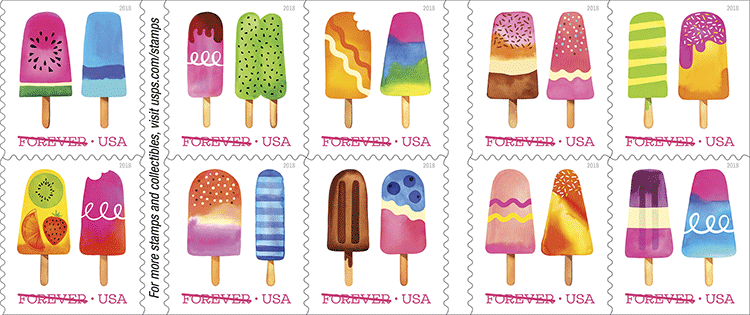 The Forever stamps, showing frosty, colorful ice pops on a stick in a variety of shapes and flavors, went on sale earlier this summer, and are the first scratch-and-sniff stamps ever issued by the U.S. Those attending will be able to come away with these stamps, and possibly sticky fingers, too.
 When my children were in the 8- to 12-year-old range, each one in turn tried stamp collecting. Three of the four even did exhibits. They did not have to be cajoled into it by a clearly involved helicopter father. Rather they were I think curious what I found so attractive, and got involved through participation in a Ben Franklin Stamp Club established at their school (a system the USPS sponsored nationwide; providing a monthly multi-color newsletter and other support materials such as membership cards, etc.). I was the adult sponsor for the local school’s club.
 So, in this day of $200 sneakers, $75 jeans being sold new with ripped knees, must-have electronics, and designer tops for kids that adults can’t afford, is it any wonder that money is high on the radar screens of kids who are probably not told enough, “No, we can’t afford that!”
 interested in how high they could score playing Pac-Man and the immediate feedback that offered, than in spending time on the laborious process of building a stamp collection; which offered no element of competition among their peers, and little in the way of immediate feedback.
 We did it as kids because we had time on our hands, with few other distractions, and we enjoyed the act of organizing our collection, and the pride of learning about other nations, and American history from stamps.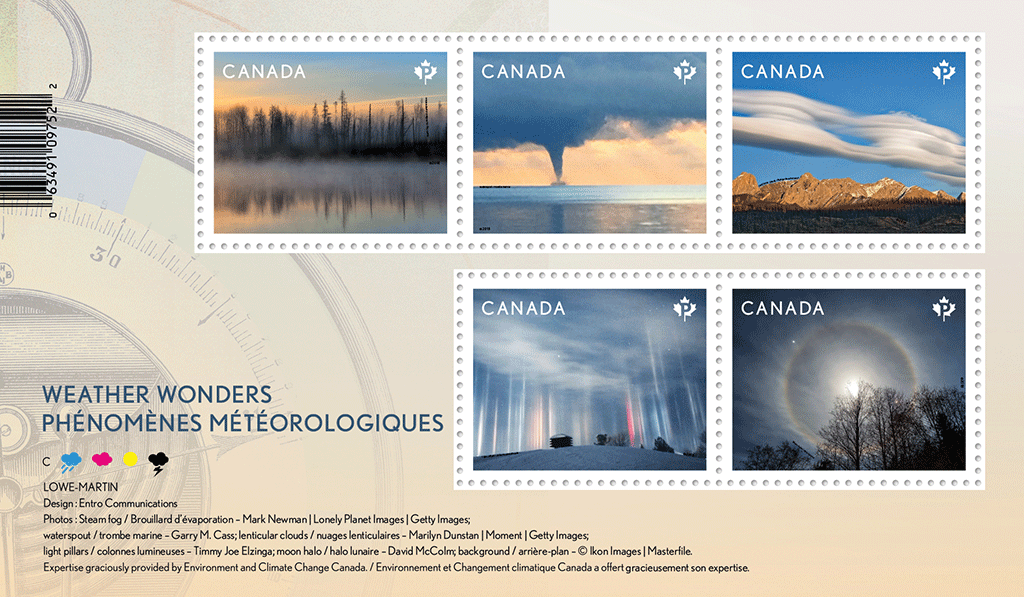
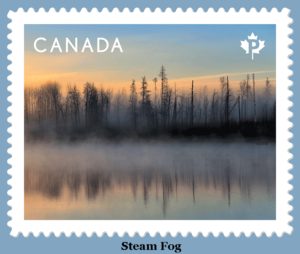 Visitors to Canada could be excused for thinking that an intense interest in the weather – not hockey – is our national pastime. Too cold, too hot or just right – Canadians always have something to say on the subject. Yet nothing inspires meteorological murmurs more than some of the fleeting (but fabulous) phenomena that can appear when weather permits.
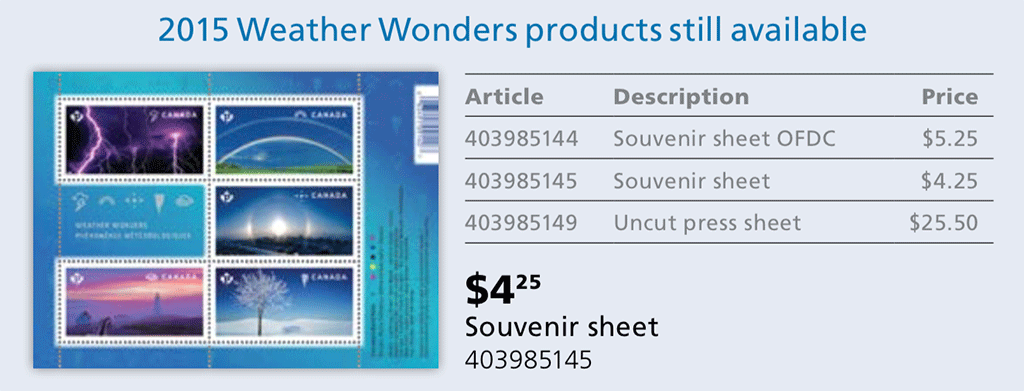
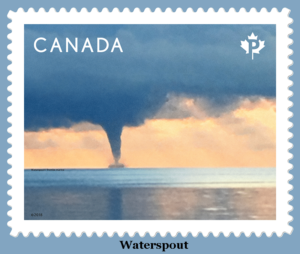 weather- themed issue from 2015, showcase five other weather wonders:
 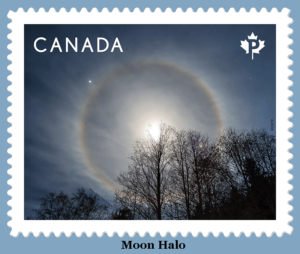 appear when tiny ice crystals in the air reflect light from artificial sources. Awoken one cold January night by his young son, Timmy noticed the strange lights out the bathroom window. “Red, blue, green, yellow, purple and pink lights seemed to beam up in to the air,” Elzinga explains. “It almost looked like something out of Star Trek.”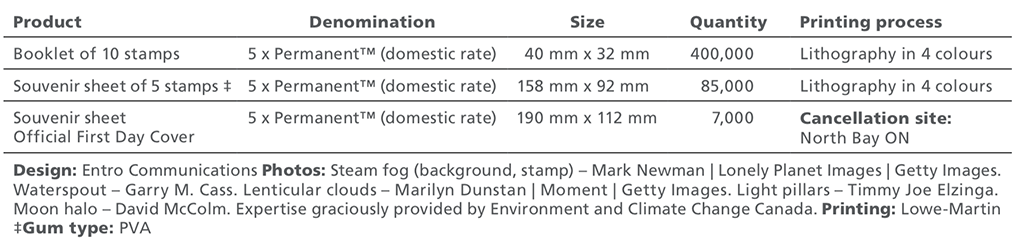
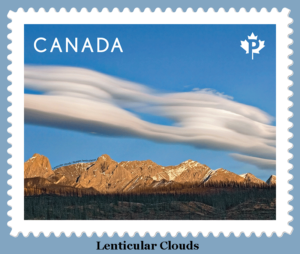
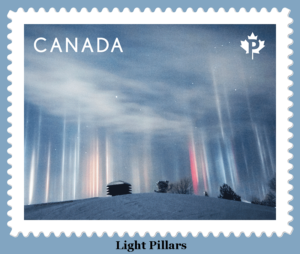
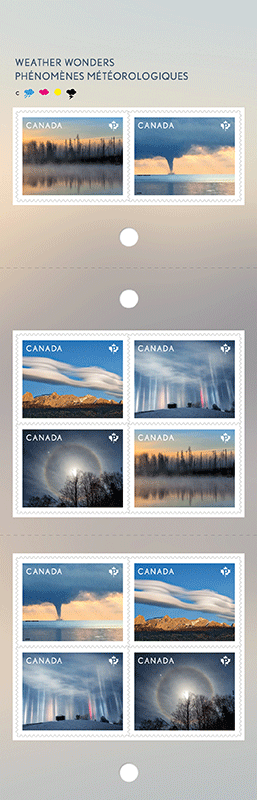
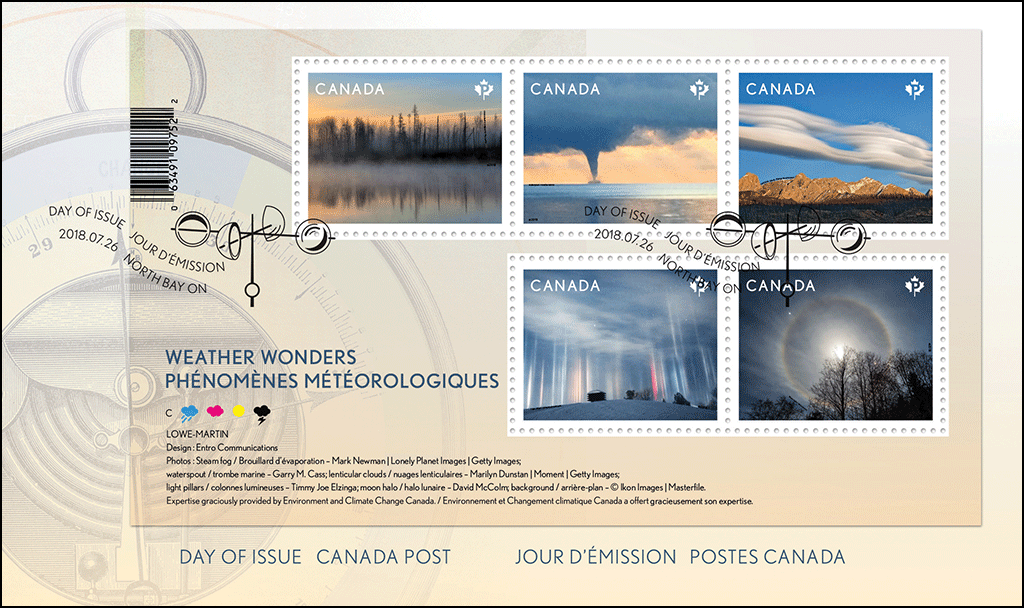
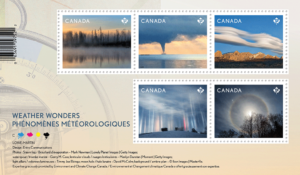
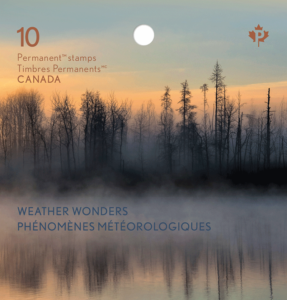
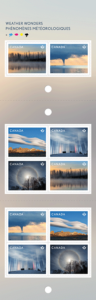 NORTH BAY, ON, July 26, 2018 /CNW/ – We talk about it in the elevators and hallways of our work. We monitor it morning, noon and night, dress up for it and plan our days around it. We obsess about it, and are captivated by its beauty and force. The weather – in all its wonder – takes centre stage again in Canada Post’s latest stamp issue.
 Garry M. Cass photographed a magnificent, if not menacing, waterspout over Lake Ontario near Toronto. These swirling funnels of water can be just as dangerous as land-based twisters.
 r waking to tend to a crying child. It was “like something out of Star Trek,” prompting him to open his bathroom window, remove the screen and take “as many pictures as possible.” When posted online, the images went viral, drawing worldwide attention.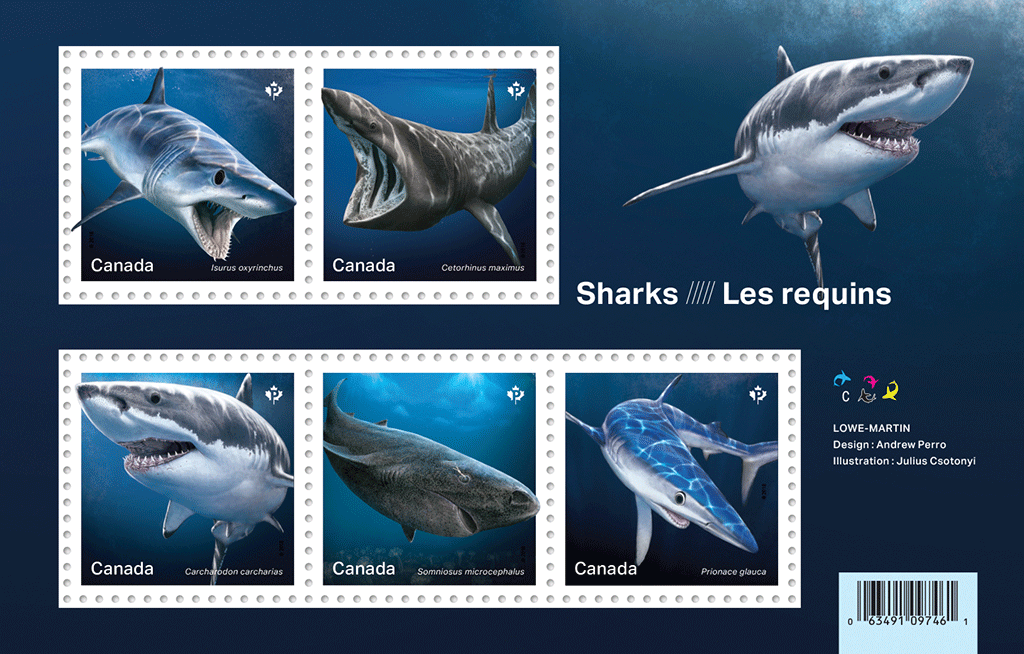
 Perro and illustrated by Julius Csotonyi, have their own unique story.
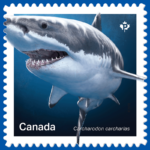
 Native to Canadian waters, the
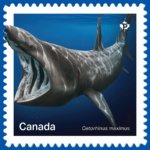
  Once assessed as a special concern by COSEWIC but no longer considered at risk, the
 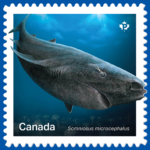 The slow-swimming
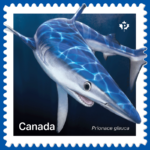
 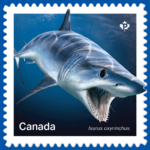 A visitor to our Atlantic coast, the
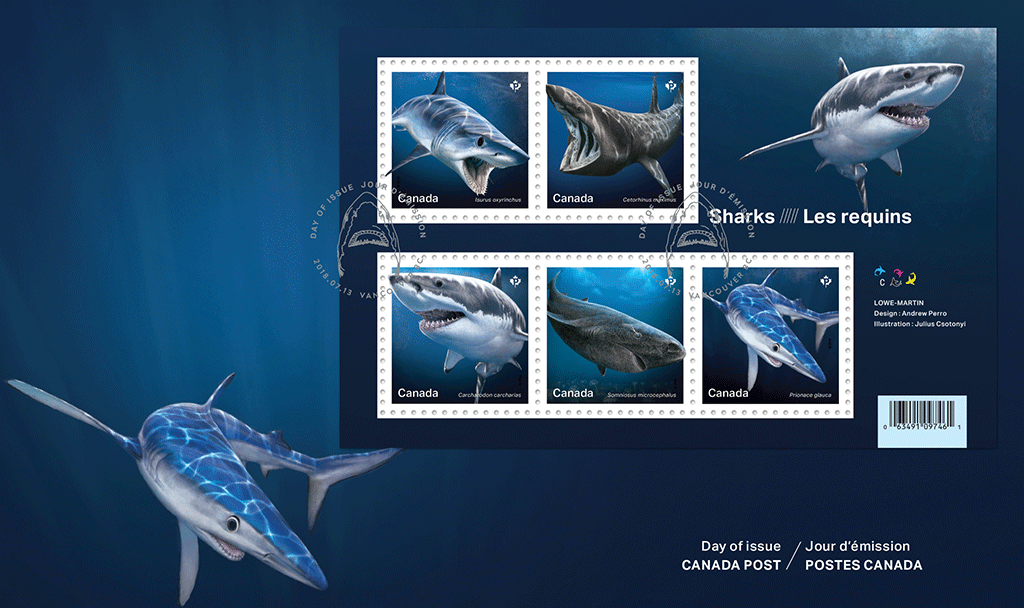
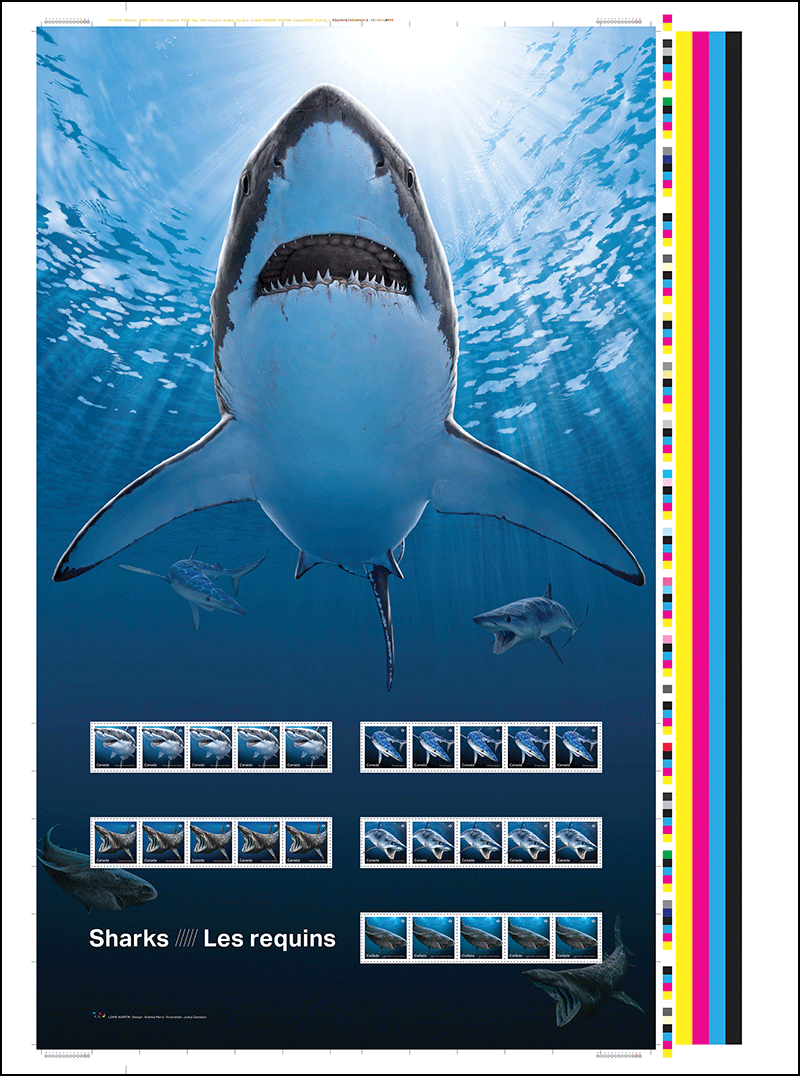
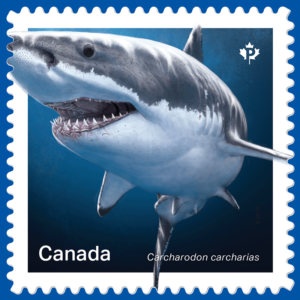 ANCOUVER, July 12, 2018 /CNW/ – Experts note that between 400 and 500 shark species inhabit the world’s oceans and waterways. These fish can be less than a foot long or larger than a bus. From fierce hunters that breach waves and ambush prey, to gentle giants known to nudge kayaks and bask with scuba divers, sharks are compelling and often misunderstood.
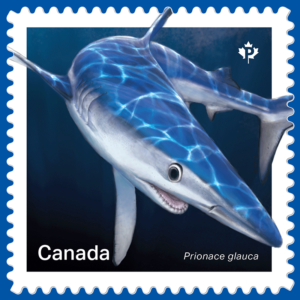 The
The 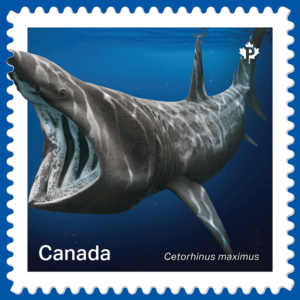 in Canada (COSEWIC).
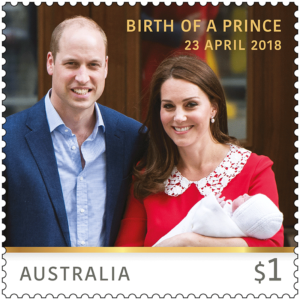 Australia Post is celebrating the birth of His Royal Highness Prince Louis of Cambridge with the release of a new commemorative stamp.
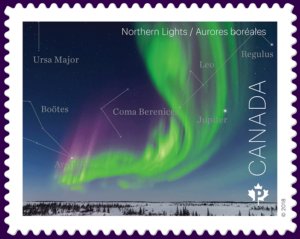 CALGARY, June 29, 2018 /CNW/ – Celestial events like meteor showers, solar and lunar eclipses, comets and asteroids make headlines because they inspire a sense of wonder. Canada Post’s latest stamps are sure to do the same. They showcase the majestic splendour of two spectacular phenomena: the Milky Way and the Northern Lights.
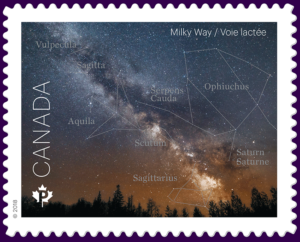 The Milky Way, a spiral galaxy containing our solar system and hundreds of billions of stars, manifests as an ethereal band of light in Quinn’s ghostly image. The brilliant colour of the Northern Lights is green in Dyer’s photo but can also appear in undulating reds, blues, yellows, pinks and purples. The phenomenon occurs when charged particles released by the Sun interact with the Earth’s magnetic field and upper atmosphere.