
 Elliot Gruber, the chief development and external affairs officer for the Jewish Social Service Agency, has been named director of the National Postal Museum, effective Sept. 5.
Gruber has more than 30 years’ experience in the nonprofit sector. As chief development and external affairs officer for the Jewish Social Service Agency since January, Gruber is responsible for the organization’s philanthropic revenue, marketing and communications. Under his leadership, the agency launched a $6 million capital campaign to renovate one of its buildings in the Washington, D.C., area. The Jewish Social Service Agency is a nonpartisan, nonprofit, client-focused health and social service agency helping individuals and families meet emotional social and physical challenges for more than 120 years.
Before joining the Jewish Social Service Agency, Gruber was a principal at EHG Consulting, which provides strategic planning and operations and fundraising expertise to nonprofit organizations. Gruber worked with the Houston Maritime Museum, which is preparing to launch a $50 million capital campaign for its new facility scheduled to open in 2020. He also conducted a comprehensive review and analysis of the organizational and fundraising structure for Ford’s Theatre in Washington, D.C.
Gruber was the president and chief executive officer of The Mariners’ Museum and Park in Newport News, Va., from February 2013 through April 2016. There, he managed a $7 million annual budget, 550 acres of parkland and a staff of 90. He also established the Monitor Foundation, a nonprofit organization overseeing the largest marine metals conservation lab in the world, to ensure continued conservation of the ironclad steamship the USS Monitor, which was built by the U.S. Navy during the Civil War.
From September 2010 until January 2013, Gruber was the senior vice president for resource development for the United Way of the National Capital Area. He was responsible for all fundraising programs, including the Greater Washington Give to the Max Day, which in its inaugural year raised more than $2 million in 24 hours.
Gruber was the vice president and chief operating officer of the Gettysburg Foundation (August 2002–September 2010) where he directed the $125 million capital campaign to build a new museum and visitor center at Gettysburg National Military Park. He oversaw all museum operations, including ticketing, reservations, visitor services and facilities management.
He has also worked in leadership capacities at the Ocean Conservancy, the Civil War Trust and the National Parks Conservation Association.
“Elliot brings great and relevant experience to the directorship of the National Postal Museum,” said Smithsonian Secretary David Skorton. “His skills as a museum leader and his fundraising acumen make him an excellent choice to lead this important museum into its next chapter.”
“I am proud to have been selected to lead the National Postal Museum, which tells the story of our American journey, past, present and future,” Gruber said. “I look forward to using my experience to work with the museum’s staff, advisory council and the Council of Philatelists to build new partnerships within the Smithsonian, across the country and around the world.”
Gruber received his bachelor’s degree in psychology from Brandeis University in Waltham, Mass., and his master’s degree in organizational psychology from Columbia University in New York City.
He succeeds Allen Kane, who retired in January, as director of the museum. Marshall Emery has served as acting director of the museum since then.
About the National Postal Museum
The National Postal Museum is dedicated to the preservation, study and presentation of postal history and philately. (Note: Philately is the collection and study of postage stamps, postmarks and stamped envelopes.) The museum uses exhibits, educational public programs and research to showcase the largest and most comprehensive collection of stamps and philatelic material in the world—including postal stationery, vehicles used to transport the mail, mailboxes, meters, cards and letters and postal materials that predate the use of stamps—and make this rich history available to scholars, philatelists, collectors and visitors from around the world.
The museum occupies more than 100,000 square feet of the historic City Post Office Building, with 35,000 square feet devoted to exhibition galleries. A U.S. Post Office stamp store, museum store and a 6,000-square-foot research library complement the exhibition halls.
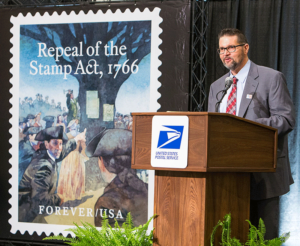 At a “town hall” meeting at the NAPEX show in suburban Washington, D.C., June 9, 2017, American Philatelic Society executive director Scott English talked about the diminishing membership, not only in the APS, but in stamp collecting organizations in general.
 English told the collectors at the NAPEX session the APS may get involved in the Regency-Superior bankruptcy case. That was a large philatelic auction house and retail stamp seller with headquarters in Saint Louis. A major creditor has seized the assets of the firm, and those who consigned stamps and covers to Regency-Superior for sale may not be paid.
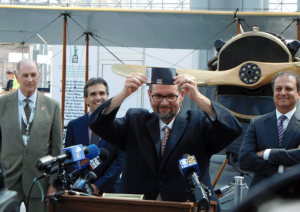 English gives “all credit” to Robert A. Siegel Auctions for getting the most possible for the American Philatelic Research Library for the recently-recovered inverted Jenny airmail stamp. “That stamp should have sold for about $180,000,” English said. “It’s probably the most expensive reperfed stamp ever!”
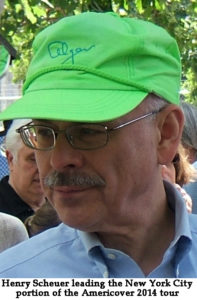 Henry B. Scheuer’s article titled “Kansas-Nebraska Overprint Stamps: Why, Where, and When They Were Initially Sold” was selected as the 2016 winner of the United States Stamp Society/Barbara R. Mueller Award for the best article published in a single year of The American Philatelist. The award will be presented at the APS StampShow Celebration Banquet 2017 on August 5 in Richmond, Virginia.
 The American Philatelic Society is recognizing Ed Andrews, Jack Congrove, Dawn Hamman, Ed & Judy Jarvis, and David McNamee for National Service to Philately, and Ed Laveroni, Sharon Newby, Gerald Nylander, Guy Purington, Roger Rhoads, Charles Shoemaker, Norm Shufrin, Roger Skinner, Tim Wait, and Ann Wood for Local Service.
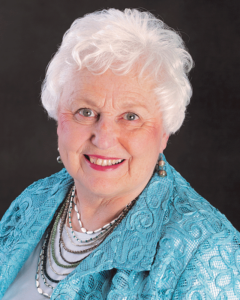 For her wide-ranging contributions to philately,
 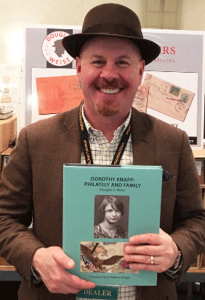 All articles published in First Days, the AFDCS journal, are automatically considered. Others may be submitted to the Ward Award Committee chair, Mark Goodson, 202 W. Temperance Street, Ellettsville, IN 47429, bgdsn@comcast.net.

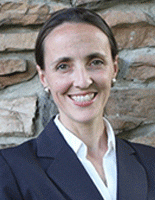 The American Philatelic Society reports its Show Manager, Megan Orient, will be leaving following AmeriStamp Stamp Expo (March 3-5, Reno, Nevada) “to be closer to her family.” We understand that that is in Pittsburgh.
 It seems like only yesterday that Bob Lamb and Ken Lawrence drove me from APS headquarters in Patton Township (“State College”) Pa. to Bellefonte to see a derelict factory complex. On a later trip, Ken Martin took me up into the loft area of “Building 4.” We had to watch where we put our feet, because the flooring wasn’t very solid. But I saw the view out the open end of the loft and said, “Wow! This could really be something.”
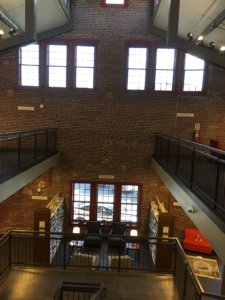 It’s now 16 years later (left), and it really is something. In fact, when I went up to the second floor for the first time during the celebratory weekend, I was a little choked up.
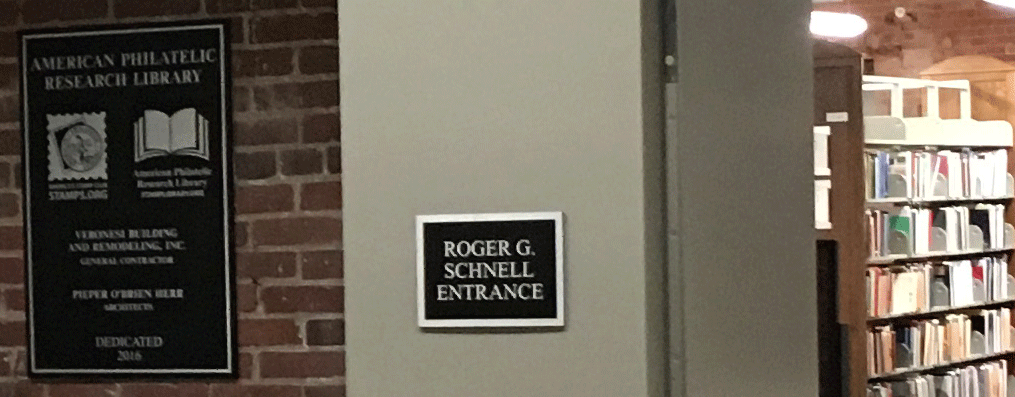
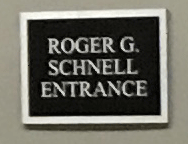 Roger Schnell was on the Board when the vote was taken; he voted against it. His comment as soon as the results were announced was, “Congratulations. You just bought yourselves a pile of bricks.” Yet as you enter the new facility, there’s the sign shown on the right: The Roger Schnell Main Entrance. Despite his misgivings, once the decision was final, Roger became a major donor for the complex’s renovation. There’s a lesson there that some mainstream national politicians haven’t learned.
  Every local official paid tribute to Ken Martin, now the APS Chief Operating Officer as an important part of the project. I think some philatelic leaders don’t appreciate Ken enough.
 w, after an ugly APS election in 2007 and the subsequent lawsuit, and his always sharp tongue — he can flay you with his pen — but Ken was a driving force behind the “Match Factory” project. APRL president Roger Brody praised Ken, while admitting that he is often “prickly.” (I think that is the word he used.) Kudoes to Roger for broaching the subject. I’m sure it wasn’t easy, nor was deciding whether to do so wasn’t easy, either.
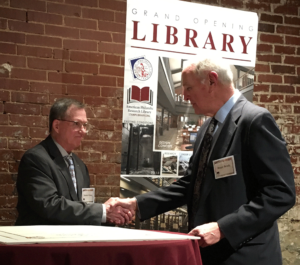 I was surprised that more wasn’t made of Dennis Gilson’s contribution to the project when he received his Luff Award for Service to the American Philatelic Society. In reading a list of his activities before Dennis signed the Luff scroll, Ken Martin first listed all his many activities on behalf of the APS, quite a few of which are continuing. Perhaps it’s because the American Philatelic Center actually belongs to the APRL, not the APS. Dennis was the first project manager, using his engineering background to get the work started. He retired from that post after the first two phases were completed and the two organizations had moved to the Center.
 I was both pleased and surprised to see how closely the finished product (right) looks like the architectural renderings (left).
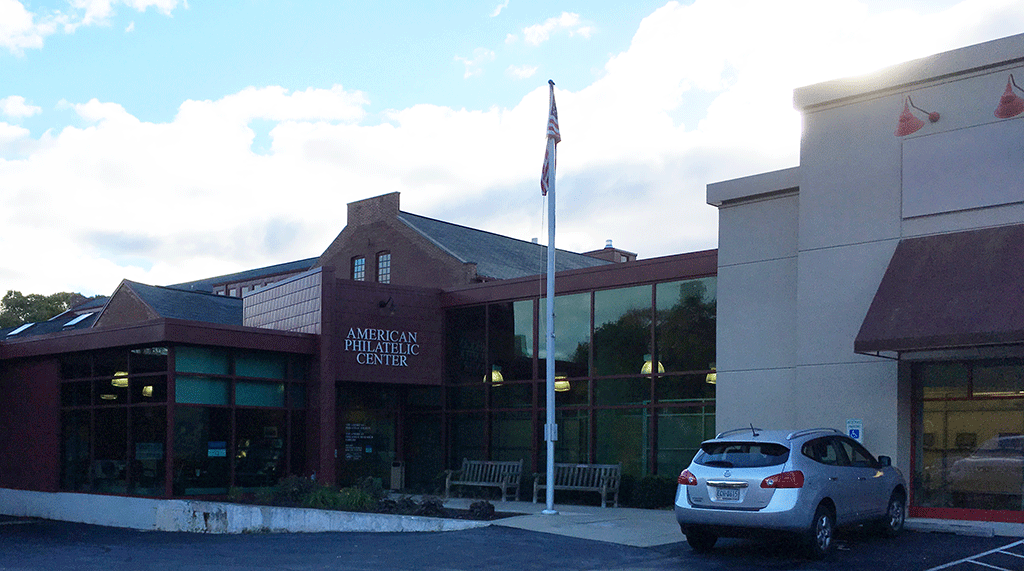 The exterior of the building, which the APRL shares with the American Philatelic Society, The APRL is the owner and leases space to the APS, which in turn provides services.
 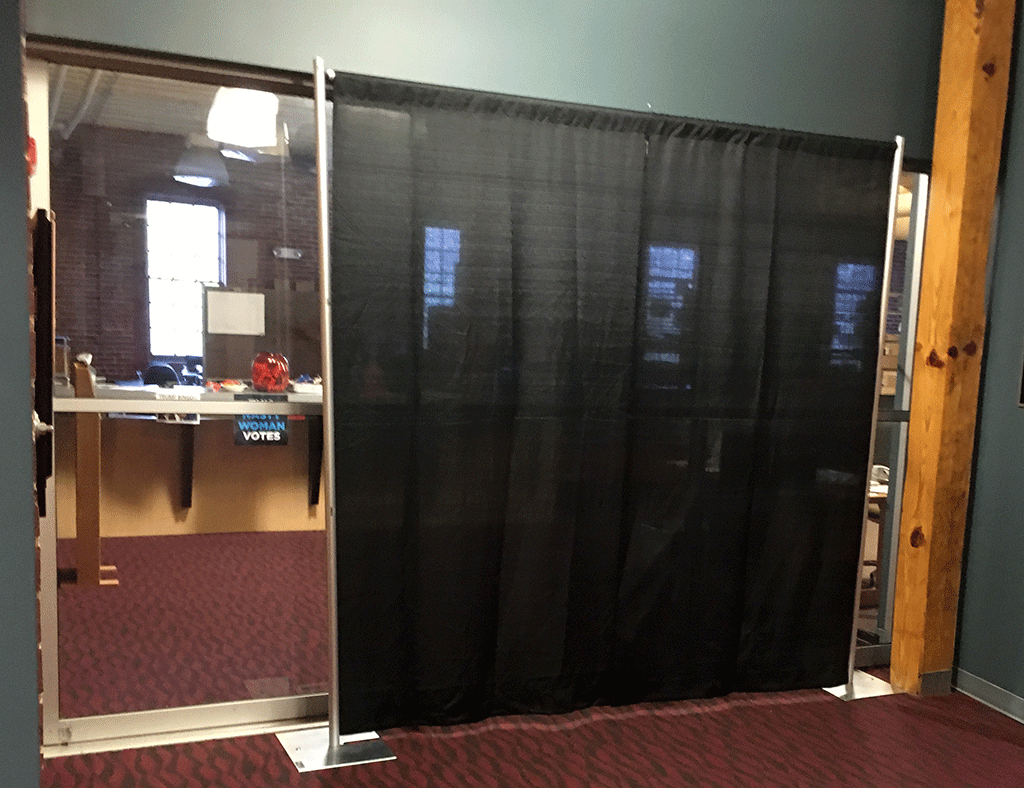 The old library space, in “Building 1,” is now being rented to Centre County Democrats.
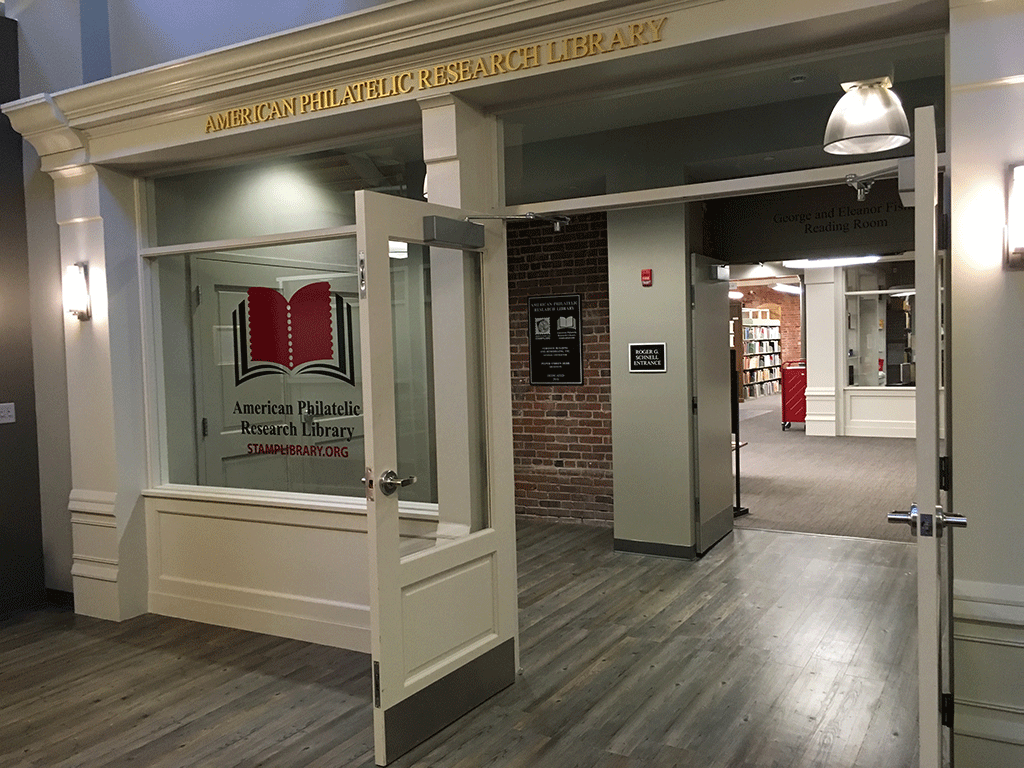 The main entrance to the Library.
 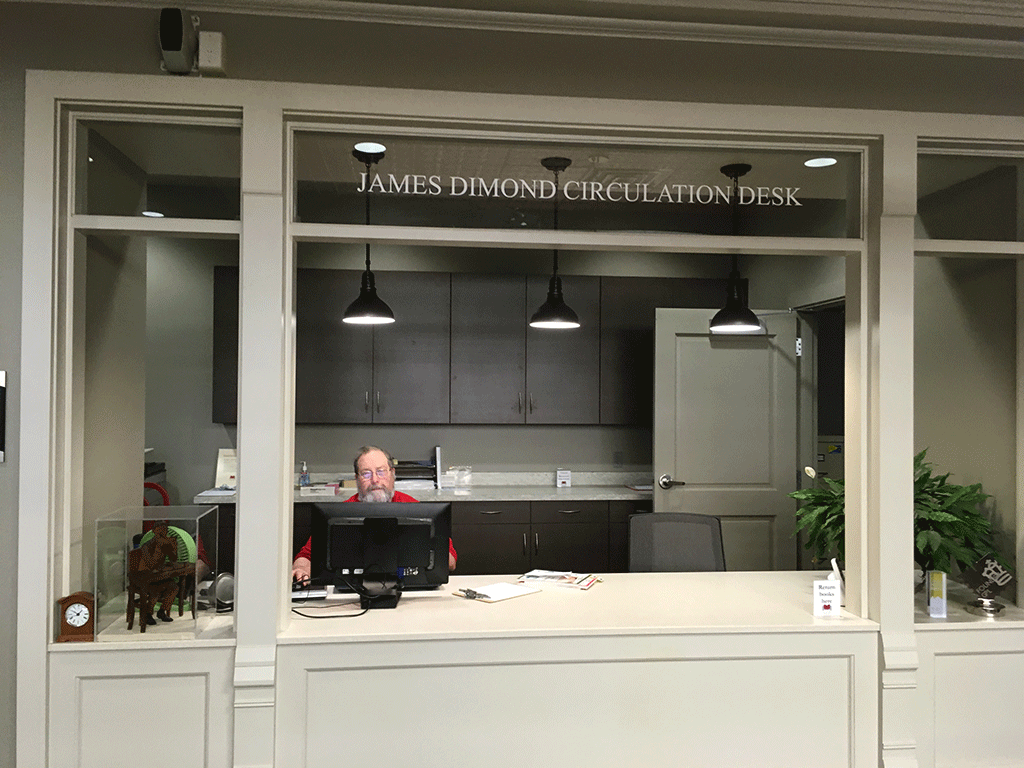 Staffer Fred Baumann at the Circulation Desk
 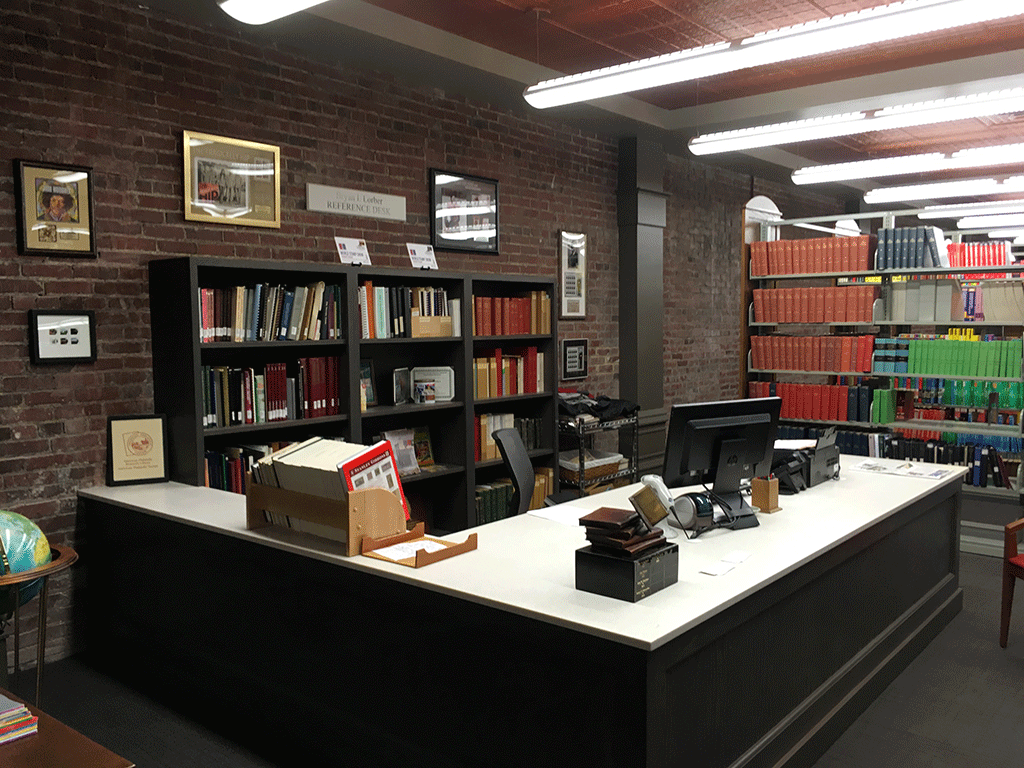 The Reference Desk on the first floor.
 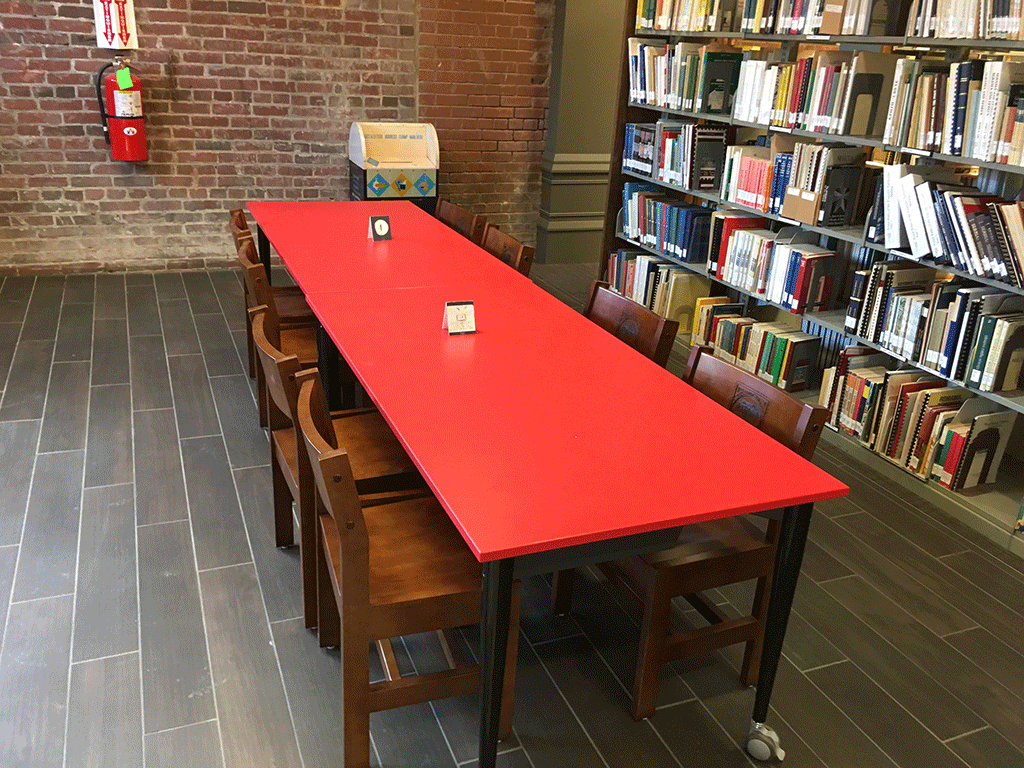 This is the children’s area. The table and chairs are, well, child-size.
 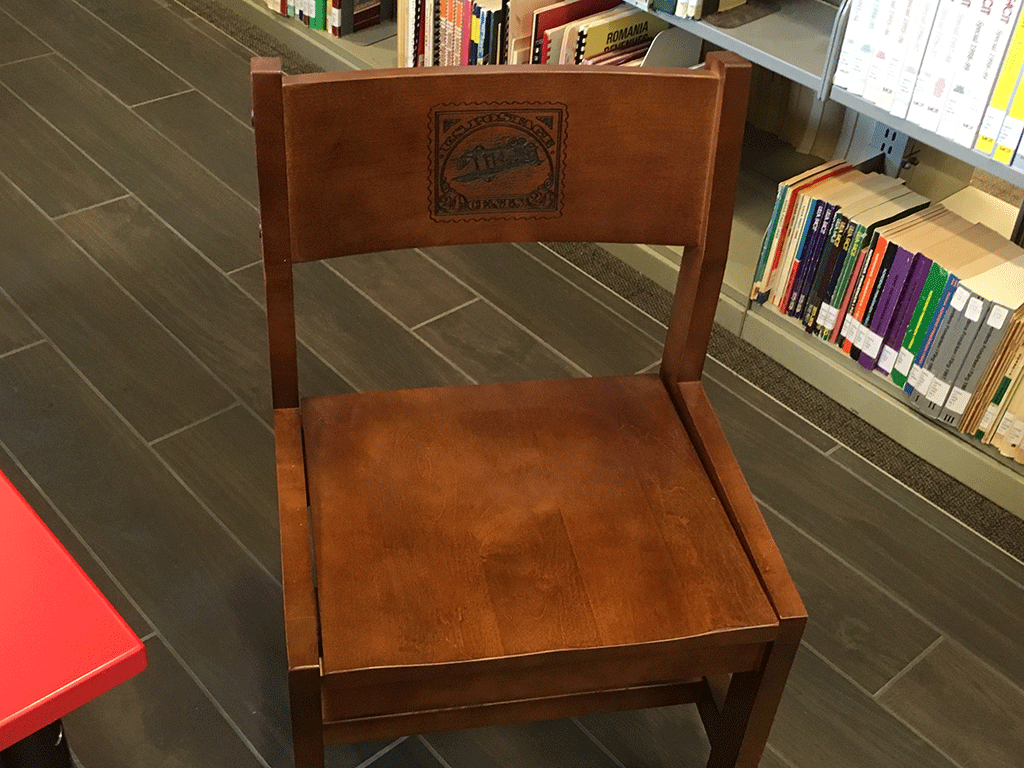 The company making the chairs called the APRL before burning the design into the chair backs: “Do you know the airplane is upside down?”
  The main floor reading area.
 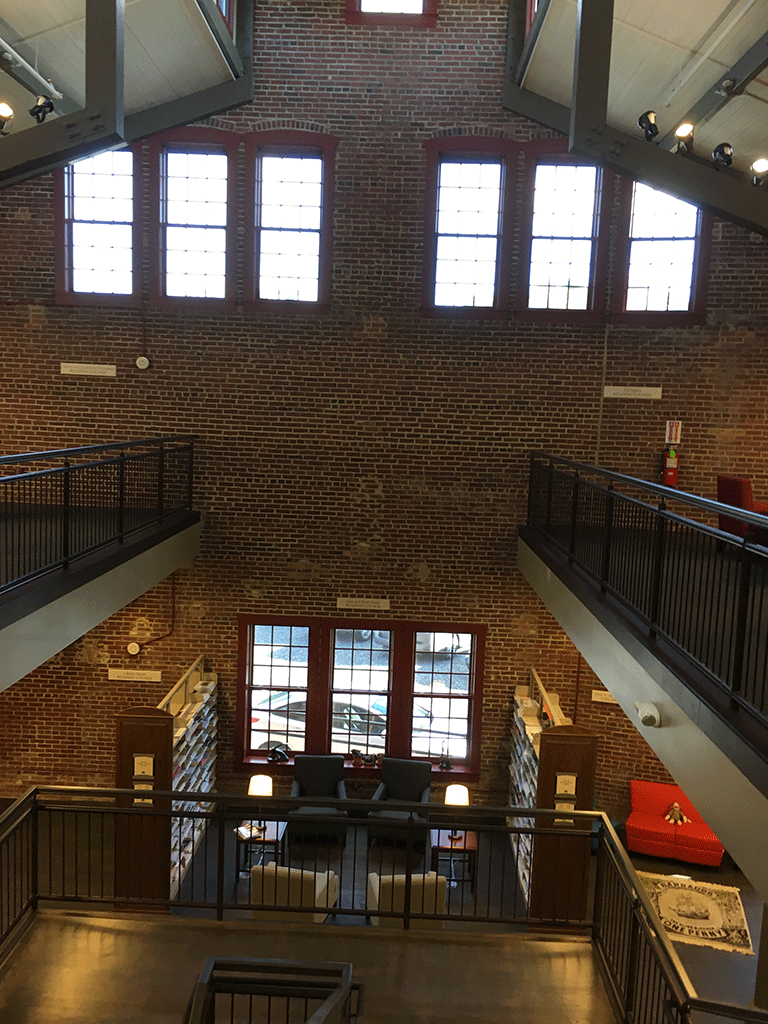 The second floor atrium. In 2001 or 2002, when the APS and APRL were considering buying the “Match Factory,” I was up in the second floor loft area, where there was not much of a floor and what there was wasn’t terribly safe. I saw the view out the end of the building and said, “Wow. This is going to be something some day.” It is.
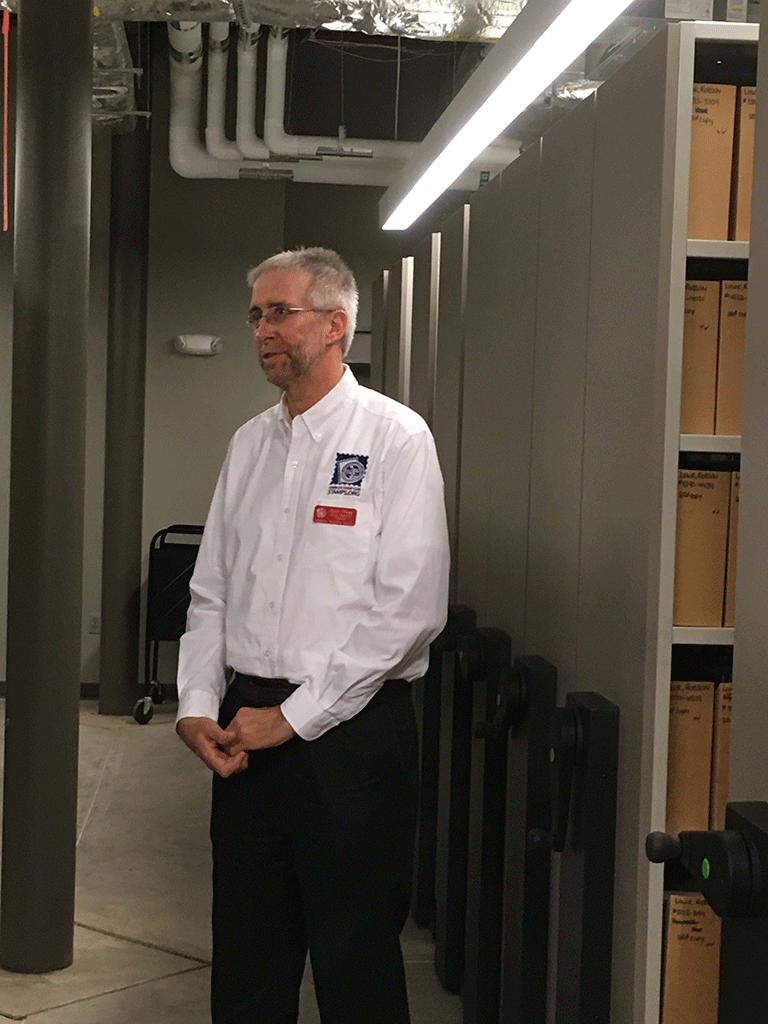 Our tour of the new facility was conducted by librarian Scott Tiffney (correct spelling). This photo was taken on the second floor in the less-public areas containing material that is less in demand.
 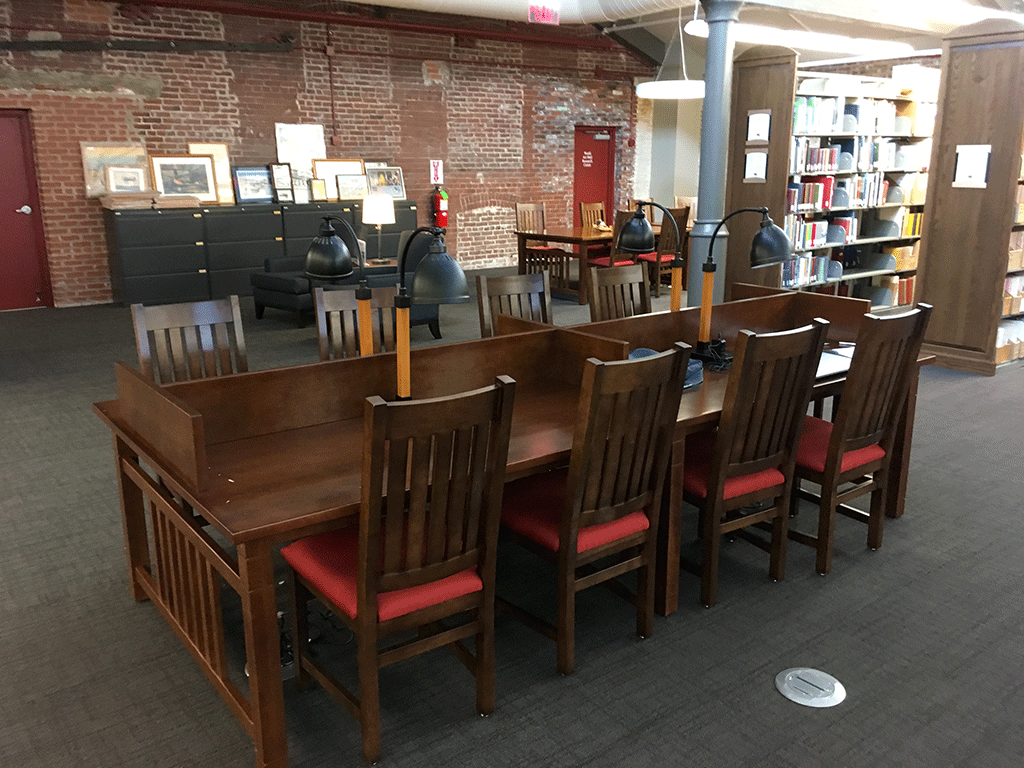 A reading desk on the second floor.
 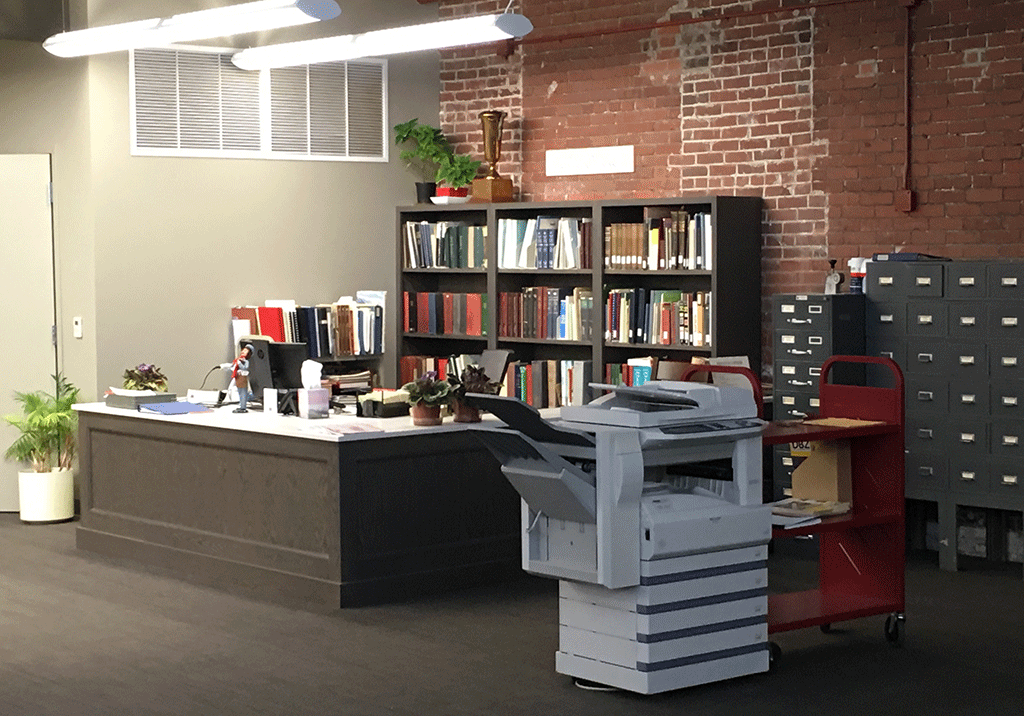 The upstairs reference desk, usually staffed by the Technical Resources library, Betsy Gamble. Pay particularly attention to the potted plant on the left. You’ll see why below.
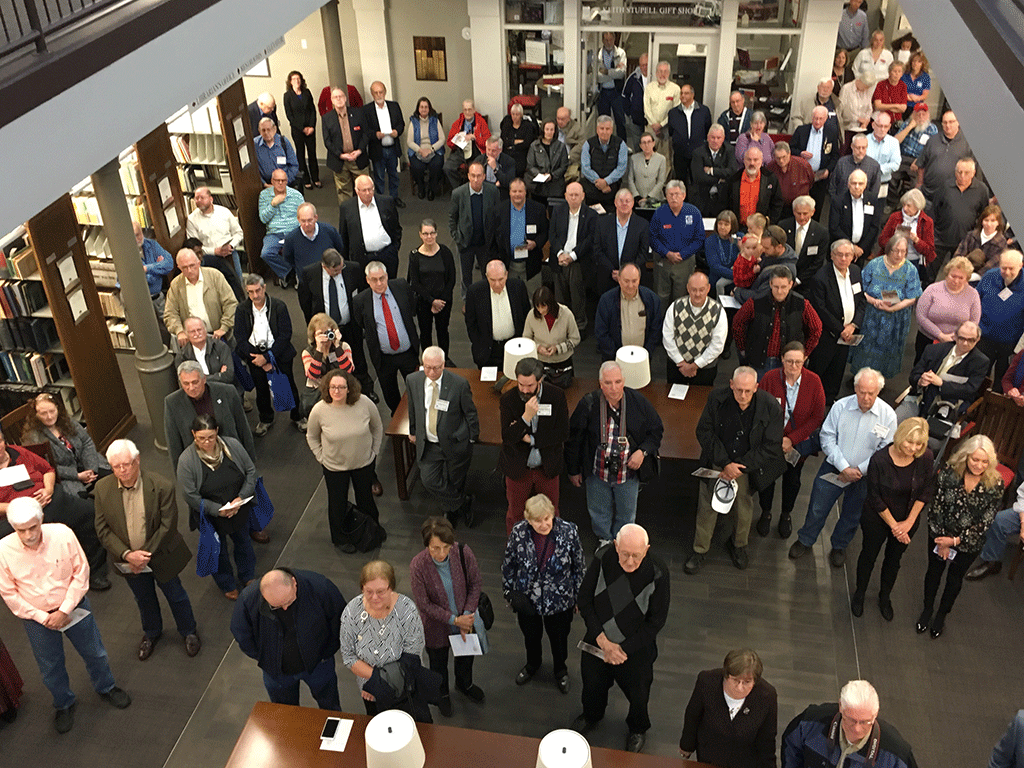 People awaiting the start of the ceremony. How many do you know?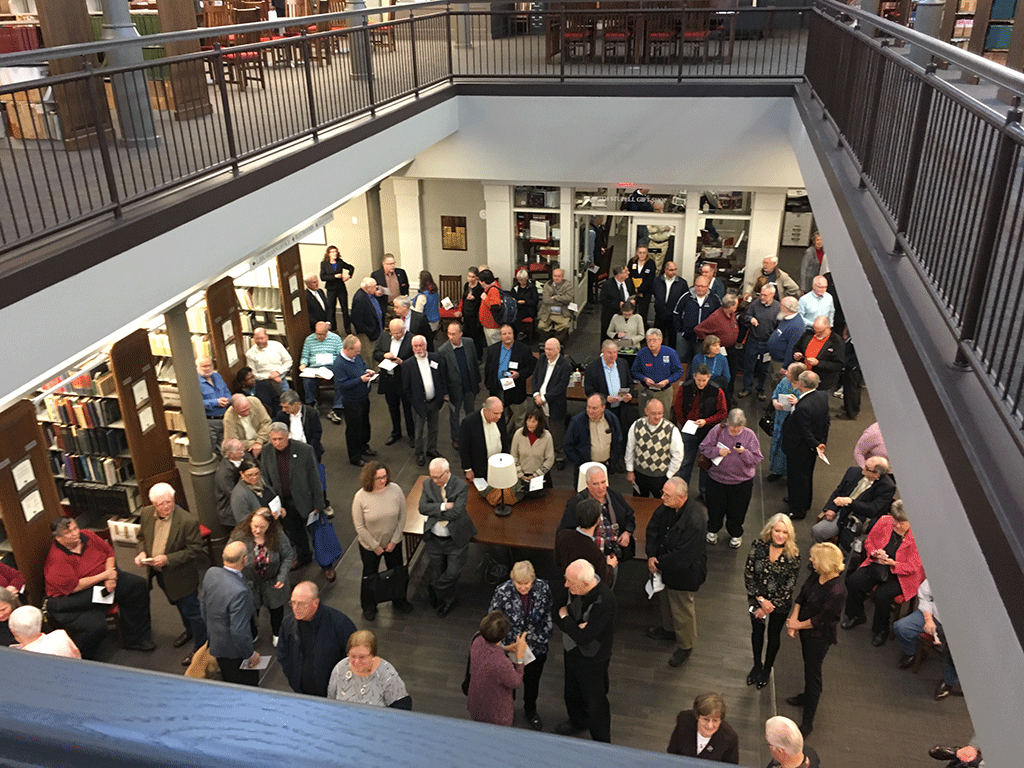

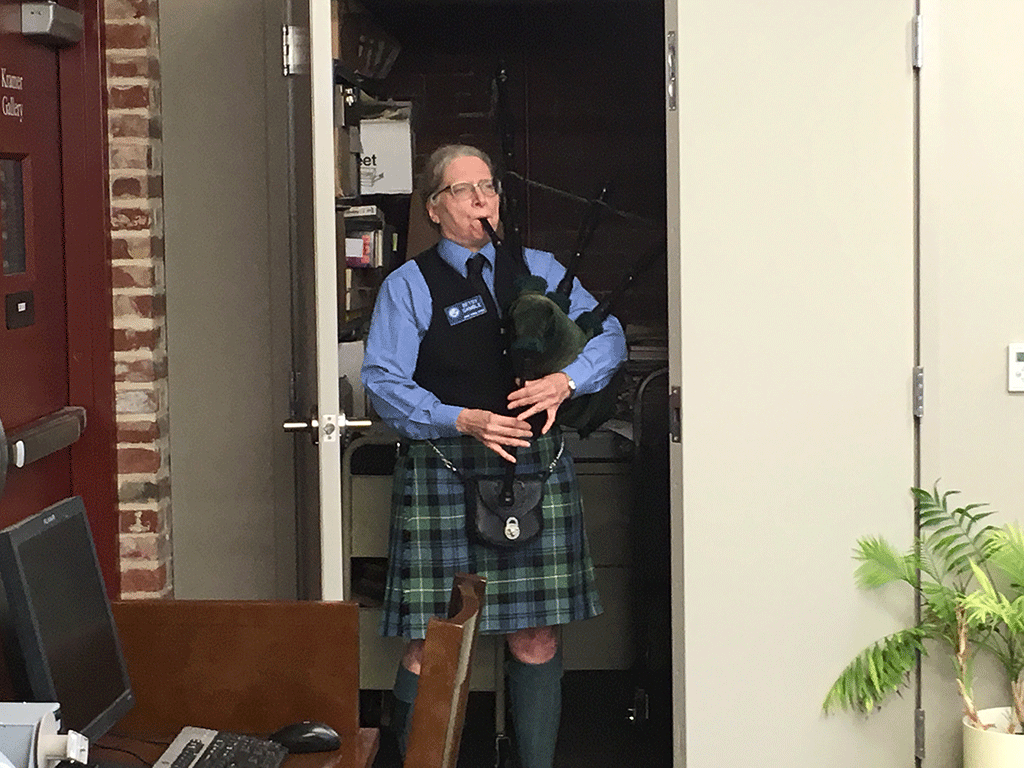 Music before the ceremony was provided by bagpiper Betsy Gamble, the APRL’s Technical Services Coordinator. Why is she in the closet next to her usual station (to the right of the potted plant)? “People said I was too loud,” she told The VSC.
 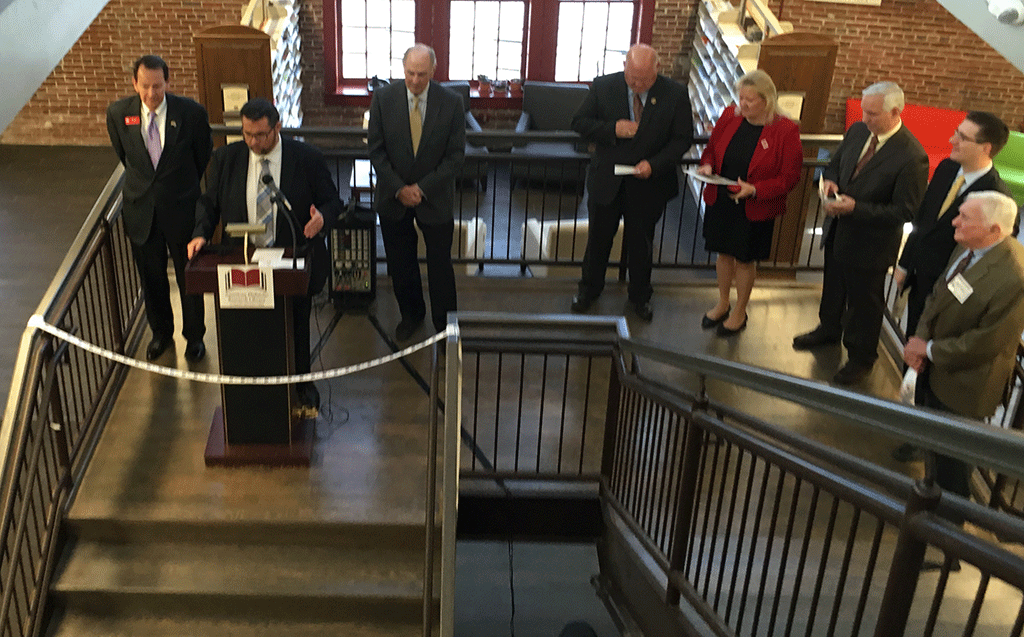 APS/APRL executive director Scott English speaking at the dedication.
  Bob Lamb, who as executive director of the APS/APRL guided the acquisition of “The Match Factory” and its initial stages of renovation.
 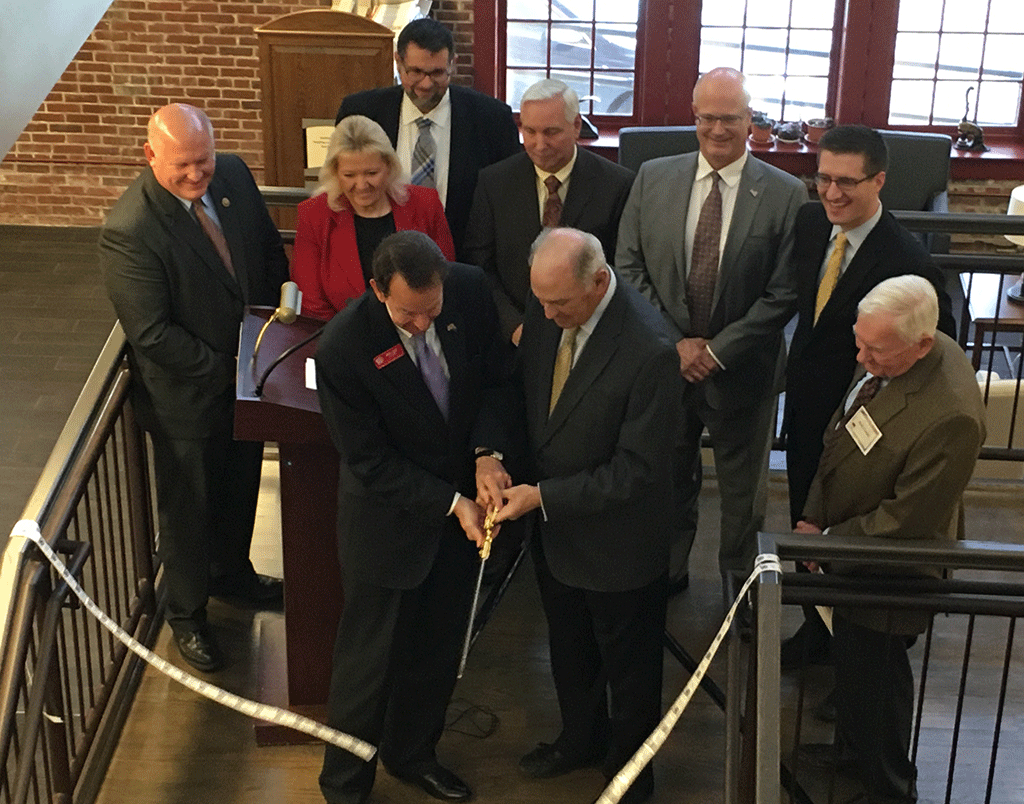 APS president Mick Zais (left) and APRL president Roger Brody cut the ribbon (of stamps, of course) to signify the dedication of the new facility. Behind them, from left, U.S. Rep. Glenn “GT” Thompson; Mary-Anne Penner, Director of Stamp Services, U.S. Postal Service; English; Randy Brachbill, vice president, Bellefonte Borough Council (and husband of APS Director of Education Cathy Brachbill); Michael Pipe and Mark Higgins, Centre County Commissioners; and Lamb.
 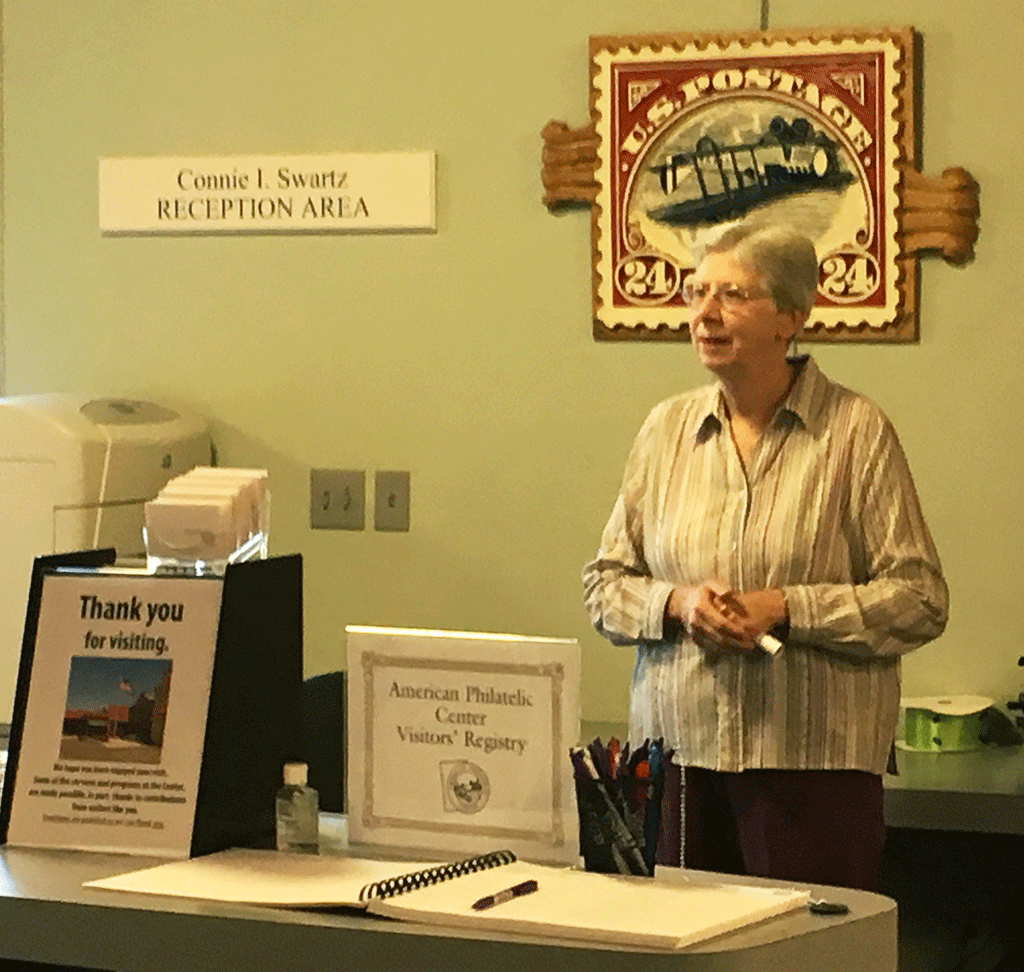 After the Library Dedication was the dedication of the Connie I. Swartz Reception Area, the main entrance to the American Philatelic Center. Swartz was a long-time employee of the APS/APRL, and was often the first contact for members and others when they called or wrote the two organizations. In the photo below, English presents a plaque to her in tribute to her long service.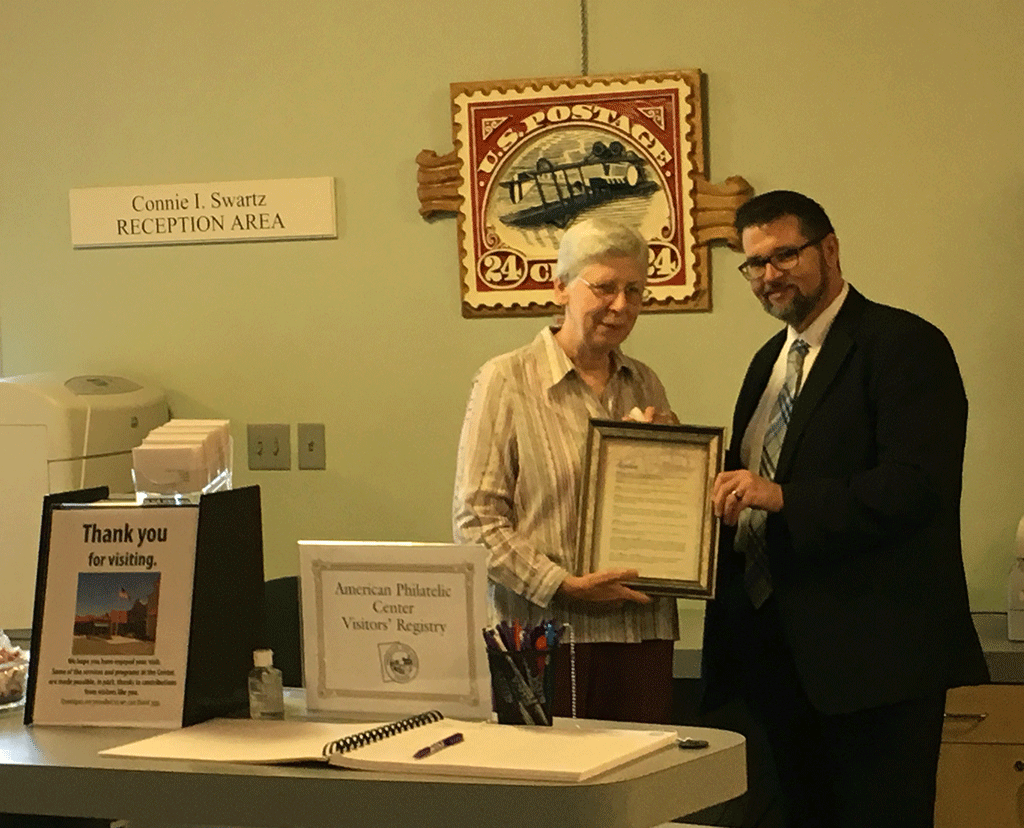
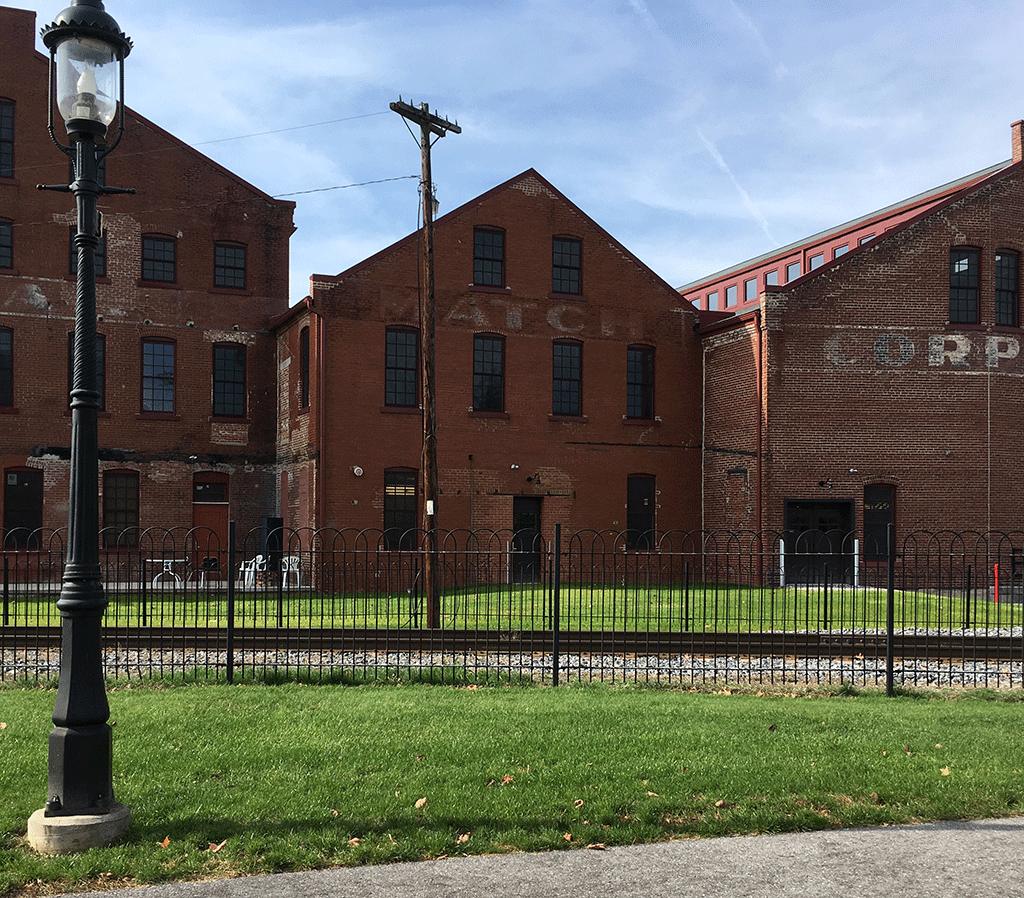 And then we took a walk on the beautiful Saturday afternoon to downtown Bellefonte for lunch, pausing in Talleyrand Park for a different view of the exterior of the American Philatelic Center.
 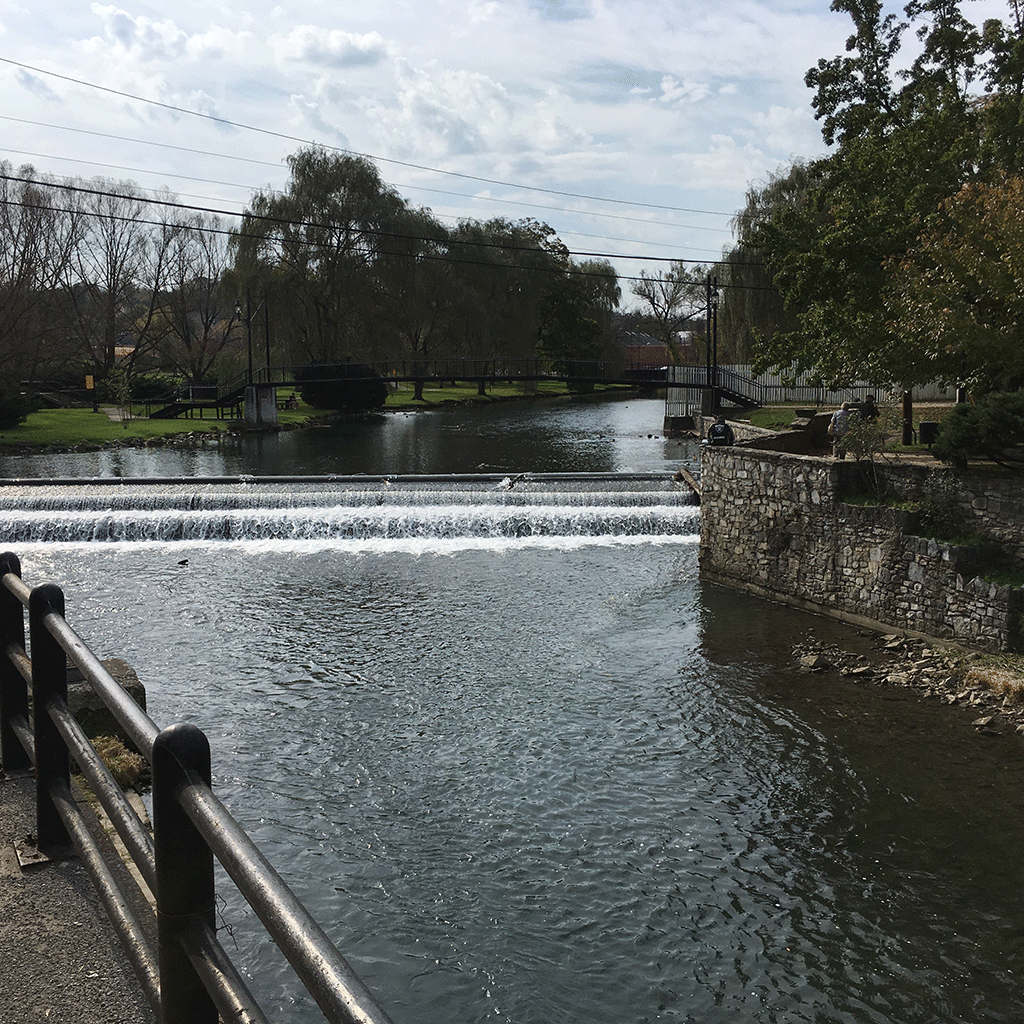 Hard to believe much of the park was once a dump or yard for the lumber/home improvement company that occupied “the Match Factory” in the 1950s and 1960s, isn’t it?
 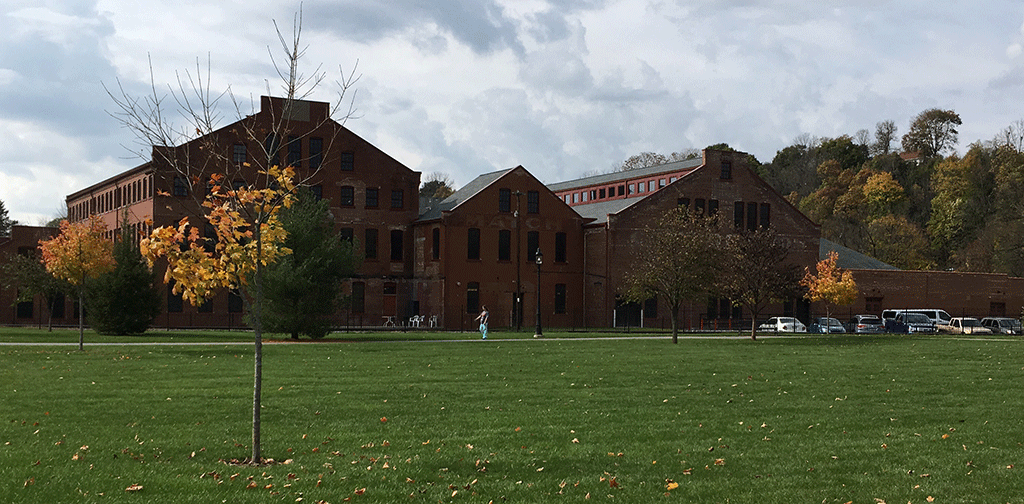 And if you read this far, you heard it here first: There are rumors that the American Philatelic Center may expand some more, acquiring additional land. But not this park. It’s too beautiful.