
[press release]
Royal Mail Reveals Special Stamps for Christmas 2020
- Royal Mail celebrates Christmas 2020 with a series of six stained-glass Nativity scenes
- The stamps showcase the extraordinary detail and craftmanship of this highly specialised decorative art, covering a range of eras, styles and technique
- Stained glass windows from the following churches are included in the set:
- St Andrew’s Church, East Lexham, Norfolk
- St Andrew’s Church, Coln Rogers, Gloucestershire
- Church of St James, Hollowell, Northamptonshire
- All Saints’ Parish Church, Otley, West Yorkshire
- St Columba’s Church, Topcliffe, North Yorkshire
- Christ Church, Coalville, Leicestershire
- The Nativity is a common subject in stained glass artistry and from the 13th Century onwards, scenes often focused on the relationship between the new-born infant Jesus and his mother, the Virgin Mary
- The techniques of making stained glass have hardly changed since the Middle Ages
- Help Royal Mail’s postmen and women deliver this year’s festive mail by posting early this Christmas and using the postcode
- The stamps are on sale from today (3 November). They will be available at www.royalmail.com/christmas2020, by phone on 03457 641 641 and 7,000 Post Offices across the UK. In addition, around 1,000 retailers will stock Christmas stamp booklets this year
Royal Mail has revealed its Christmas 2020 stamps featuring a series of six stained-glass Nativity scenes.
The stained-glass Nativity scenes showcase the extraordinary detail and craftmanship of this highly specialised decorative art, covering a range of eras, styles and technique.
Stained glass windows from the following churches are included in the set:
- St Andrew’s Church, East Lexham, Norfolk
- St Andrew’s Church, Coln Rogers, Gloucestershire
- Church of St James, Hollowell, Northamptonshire
- All Saints’ Parish Church, Otley, West Yorkshire
- St Columba’s Church, Topcliffe, North Yorkshire
- Christ Church, Coalville, Leicestershire
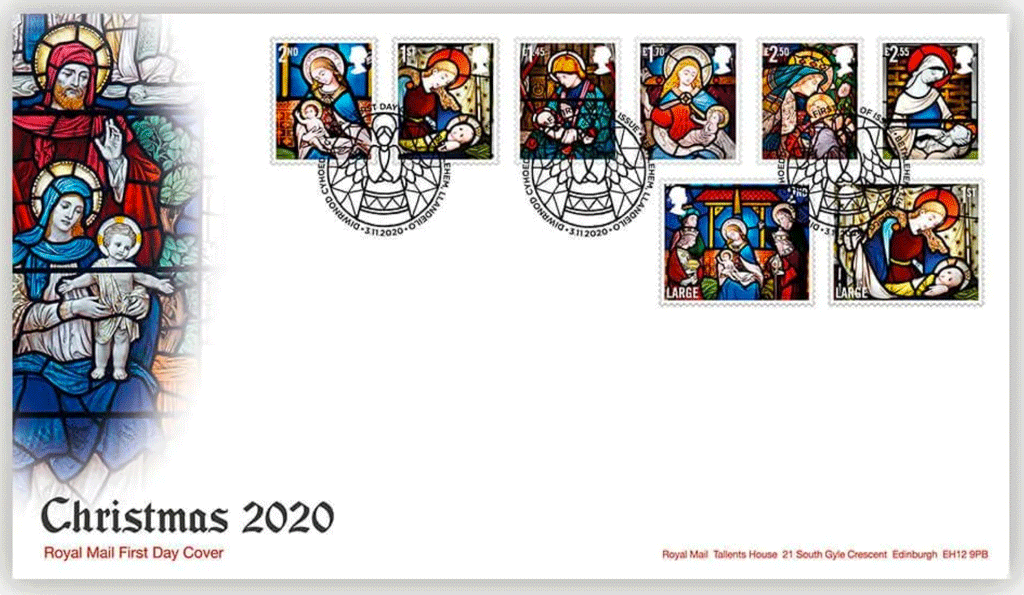
Traditionally, stained glass windows are assembled from pieces of coloured glass, held together with lead. The techniques of making stained glass have hardly changed since the Middle Ages.
The Nativity is a common subject in stained glass artistry and from the 13th century onwards, scenes often focused on the relationship between the new-born infant Jesus and his mother, the Virgin Mary.
Philip Parker, Royal Mail said: “Our beautiful Christmas stamps feature the Nativity as told through the artistry of different styles of stained-glass windows.”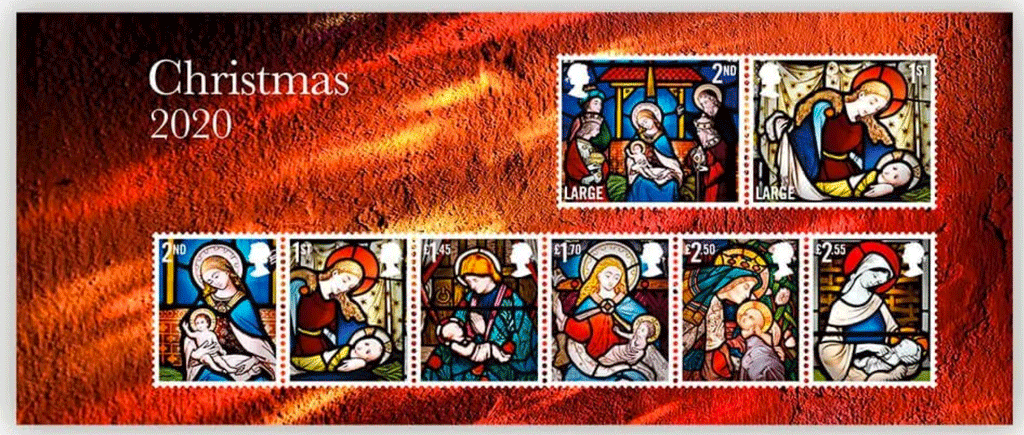
The origins of stained glass:
Stained glass originated in late antiquity. The Romans were the first to use coloured glass in windows, often set into plaster, stucco or metal frames. The oldest known examples of coloured window glass in England were excavated from the site of the former Anglo-Saxon monastery at Monkwearmouth Jarrow, Northumbria, which was founded in the 7th century.
By the 10th century, stained glass windows were being constructed with lead, which was more malleable and enabled greater versatility of design. Stained glass was a popular and expensive art form in the Middle Ages, used to decorate churches and other prestigious buildings. The translucent qualities of coloured glass meant that these windows projected coloured light into buildings, while illuminating colourful pictures.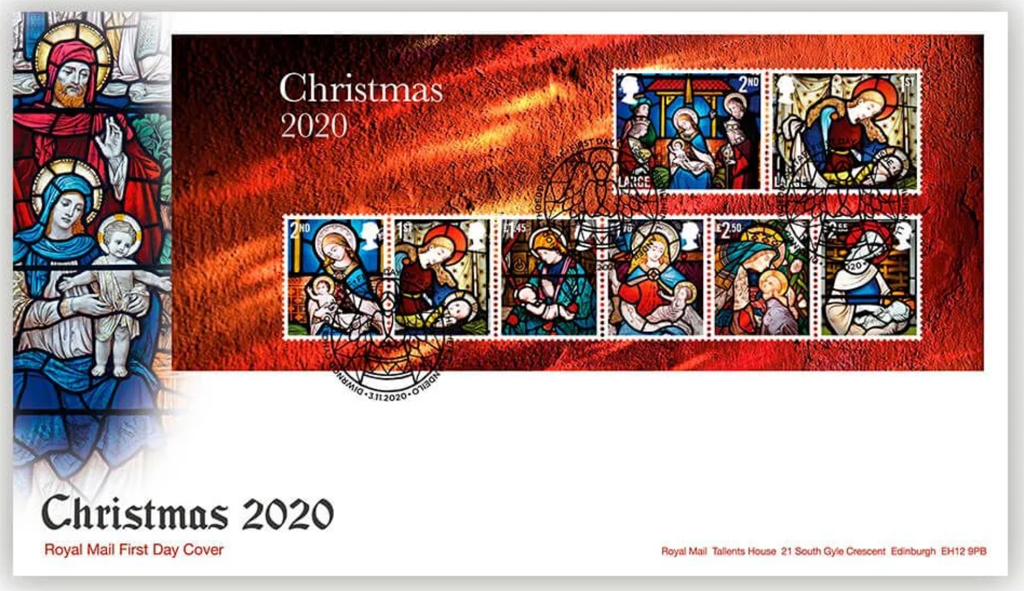
Panels of late 12th century stained glass survive at both Canterbury Cathedral and York Minster, but most surviving stained glass in the UK dates from the 13th century onwards. Following the Reformation in the 16th century, fewer religious stained glass windows were commissioned and, with a handful of exceptions, it was not until the 19th century that stained glass once again became a popular art form. Medieval windows provided inspiration for 19th century artists, who revived medieval techniques. Today, exquisite examples can be seen in the windows of our churches, town halls and other public and private buildings across the UK.
The stamps are on sale now and will be available at www.royalmail.com/christmas2020, by phone on 03457 641 641 and in 7,000 Post Offices across the UK. In addition, around 1,000 retailers will stock Christmas stamp books this year.
2nd Class stamp
Adoration of the Magi
Location: East window of St Andrew’s Church, East Lexham, Norfolk. This is an Anglican 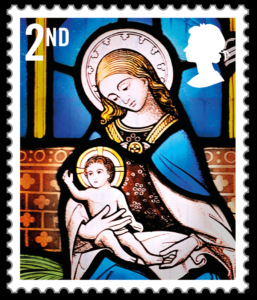 church, dedicated to Saint Andrew and is one of 124 existing round-tower churches in Norfolk. It is thought to date from circa 900AD and said to be one of the oldest in England.
The Window: Mid-19th century stained glass, believed to have been made by Clayton & Bell in c.1859 – the designs adopted the gothic style of the 15th century in keeping with the perpendicular east window. The east window depicts scenes relating to Christ’s birth and death. The upper tier shows Christ carrying the Cross, The Crucifixion and Christ being taken down from the cross. The lower tier shows events related to Christ’s birth – the annunciation, Adoration of the Magi, and the presentation of Christ in the temple.
1st Class stamp
Virgin and Child
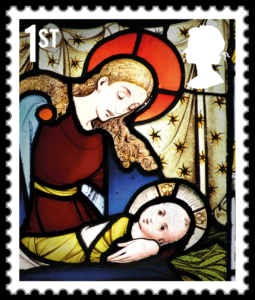 Location: St Andrew’s Church, Coln Rogers, Gloucestershire. This is an Anglican parish church and is dedicated to Saint Andrew. It is often described as being rather unique, as it has a Saxon nave and chancel which have survived almost intact. It dates to the mid-11th century.
The Window: The three main lights of the east window of the church, dated c.1865 and made by the studio of Heaton, Butler and Bayne, focus on nativity scenes (including the Shepherds, Mary and Joseph with the Christ child and the three Magi). In the central light (from which this is a detail) Mary cradles the new-born Christ child.
£1.45 stamp
Virgin and Child
Location: Church of St James, Hollowell, Northamptonshire. The Church of St James was 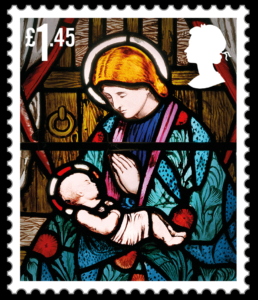 built in 1841 in the gothic style, and is known for its beautiful stained-glass windows in the eastern apse of the chancel, and the rose window above the west door.
The Window: Chancel apse, south east window designed by Henry Holiday (1839-27) and made by J Powell & Sons, 1863. This is one of three lancet windows in the apse of the chancel. Each lancet window features a single narrative panel contained within a quatrefoil set against a background of decorative painted foliate grisaille (in the manner of the 13th century, decorated style). The north-eastern window depicts the Baptism of Christ, the central the Crucifixion, and the south-eastern (as pictured) shows the Virgin Mary and Christ child within the stable. The brightly coloured pieces of flashed ruby glass, and turquoise, blue, pink and purple tones demonstrates the wide variety and high-quality of the glass made at Powell’s glassworks.
£1.70 stamp
Virgin and Child
Location: All Saints Church, Otley, West Yorkshire. The first church building on the site was 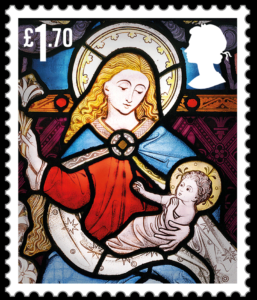 Anglo Saxon but only the foundations from this early church remain. A Norman church was built over them in the 11th century and this forms the present-day chancel. It was enlarged in about 1240. Further additions and modifications took place during later centuries, Including the installation of a number of stained-glass windows by various makers in the Victorian period.
Window: This window is from a two-tier three light window in the South Transept of the church. The lower tier main lights show the Nativity with the Crucifixion in the upper tier above. It was manufactured by Clayton & Bell and installed in 1862. This image is the central scene of the Nativity. In the centre Mary is seated and holds the infant Jesus on her knee.
£2.50 stamp
Detail of the Holy Family
Location: St Columba’s Church, Topcliffe, North Yorkshire. St Columba’s is the parish 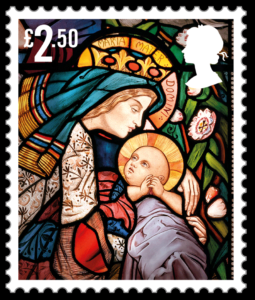 church of Topcliffe, near Thirskand the present building dates from the 13th century and was largely rebuilt by railway architect George T Andrews in 1885.
The Window: This well-known window is one of two windows located on the south side of the chancel of the church. The window is divided into three lights, showing three scenes in the life of Mary which also relate to the birth of Christ. On the left is the Annunciation, in the centre panel are Mary and her cousin and the panel on the right shows the Holy Family – Joseph, Mary and Jesus. This detail is from the scene of the Holy Family. It was designed by Michael Halliday and manufactured by Lavers & Barraud c.1860.
£2.55 stamp
Virgin and Child
Location: Christ Church, Coalville, Leicestershire. The church was built between 1836 and 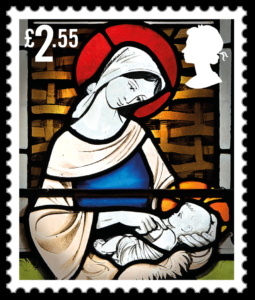 1838, with a west tower, large nave, transepts, chancel and vestry added later in 1936.
The Window: Whilst most of the glass is Victorian there are also three modern windows, which include the North chancel lancet window of the Nativity. The scene focuses on the virgin and child, with the ox and donkey watching over them (c. 1976). Harry Harvey (1922-2011) worked during the latter part of the twentieth-century producing stained-glass in a distinctive modern style. He died in 2011.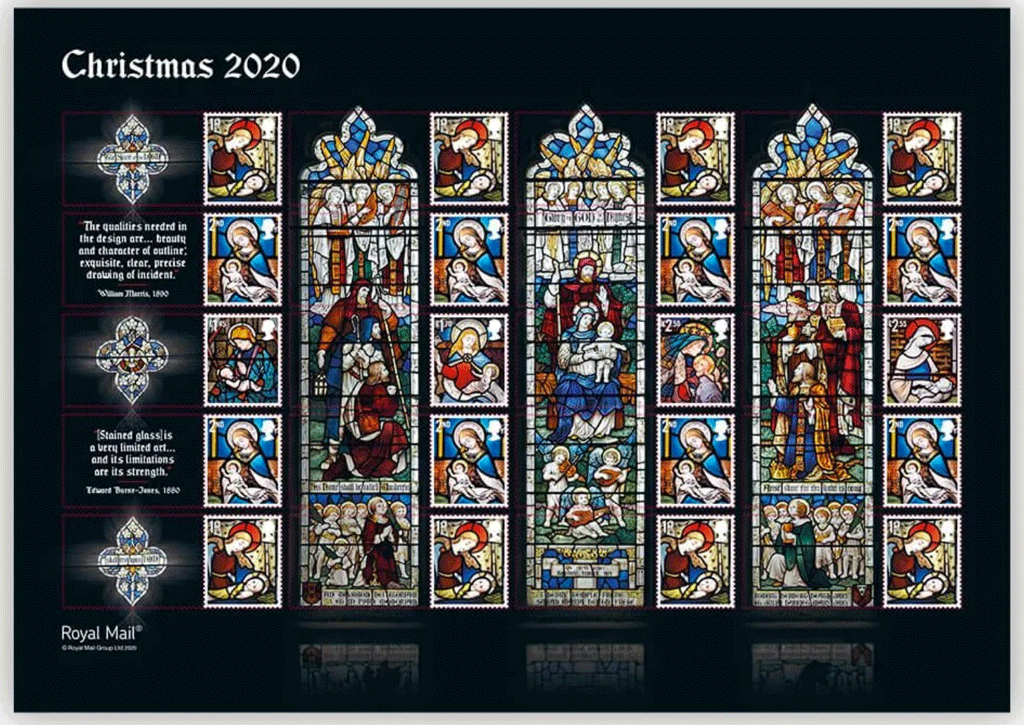
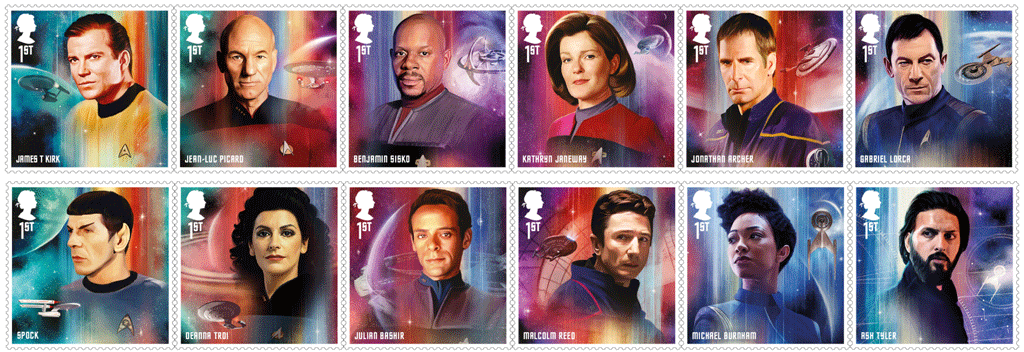
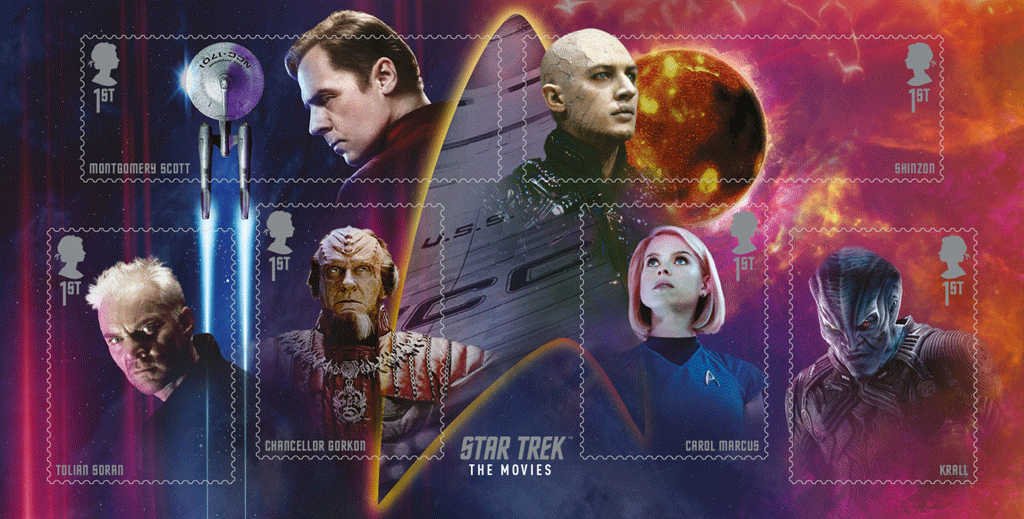
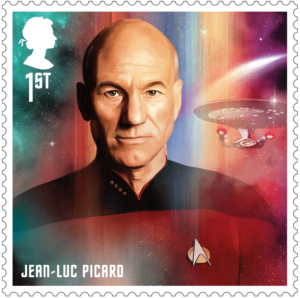
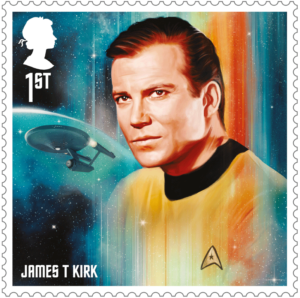 The set comprises 12 stamps that depict the captains from six principle TV series, plus additional crew members: Captain James T Kirk; Spock; Captain Jean-Luc Picard; Commander Deanna Troi; Captain Benjamin Sisko; Doctor Julian Bashir; Captain Kathryn Janeway; Captain Jonathan Archer; Lieutenant Malcolm Reed; Captain Gabriel Lorca; Lieutenant Ash Tyler; and Commander Michael Burnham. Six of these characters are played by British actors.
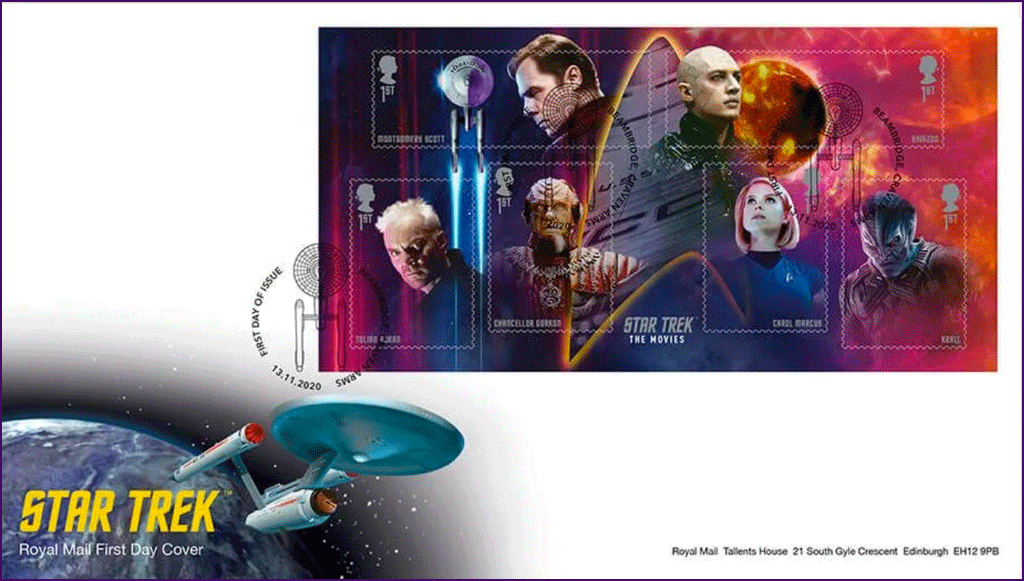
 Tolian Soran; Klingon Chancellor Gorkon; Carol Marcus; and Krall.
 The 12 main character stamps were illustrated by London-based, illustrator, Freya Betts. Each stamp portrays the characters alongside reflective details in the background of their respective shows, including the iconic starships.
 Signing a contract with Desilu, a production company owned by comedy star Lucille Ball, Roddenberry brought in skilled writers and other collaborators to help him develop Star Trek into a weekly series that would resonate with American TV audiences. After several false starts, the show was first broadcast on the NBC network in September 1966. It was first broadcast in the UK in 1969, with repeats over the next decade building its popularity and cementing its place in popular culture.
 characters, a diverse group led by the noble Captain James T Kirk and committed to the peaceful principles of the United Federation of Planets.
 inspired generations of loyal fans with extraordinary adventures and an optimistic vision of humanity’s future. We celebrate the Star Trek Universe with stylish new stamps of its iconic characters.”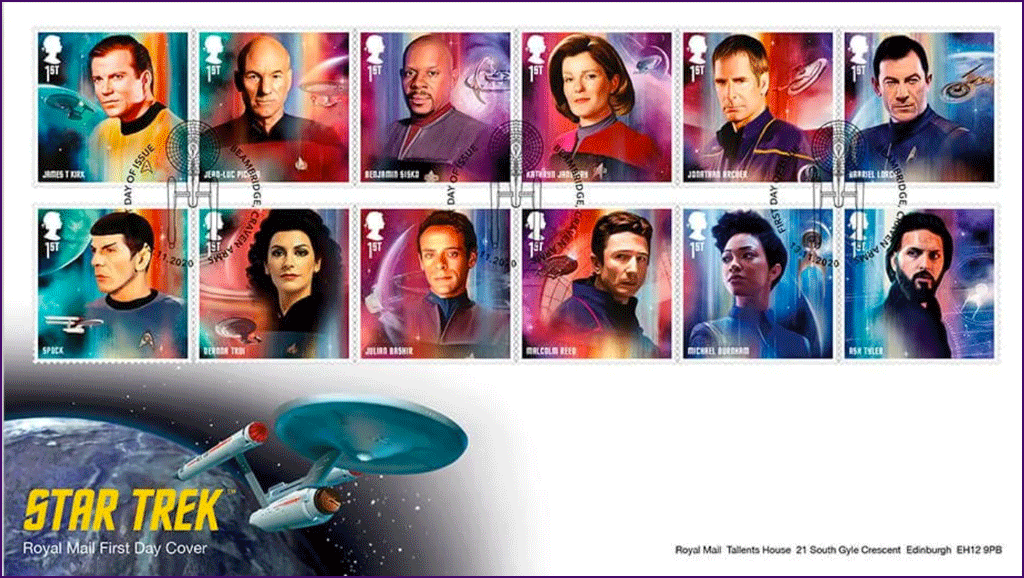
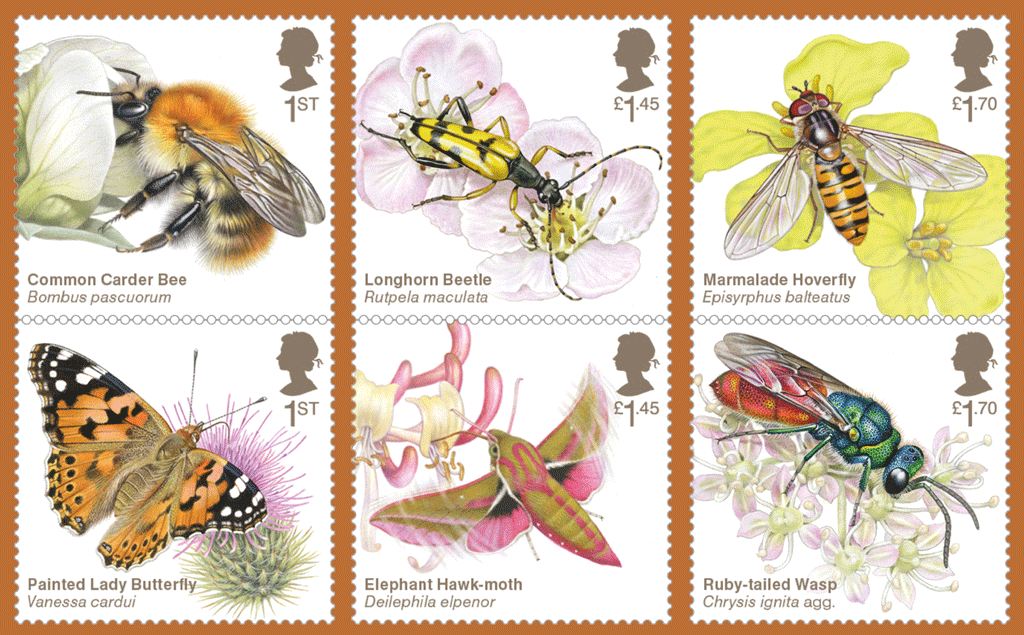
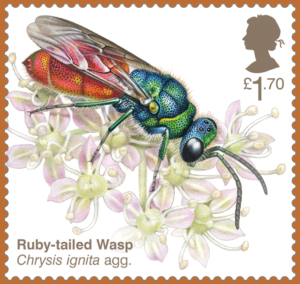
 The stamps explore insects — including bees and butterflies — and other often overlooked important pollinators, including moths, beetles, hoverflies and wasps.
 There are thought to be more than five million species of these ‘brilliant bugs’ worldwide.
 decades, one third of bee and hoverfly species have declined.
 Royal Mail worked with ecologist and entomologist Professor Helen Roy MBE, from the UK Centre for Ecology & Hydrology, on the stamp set.
 ‘Brilliant Bugs’.
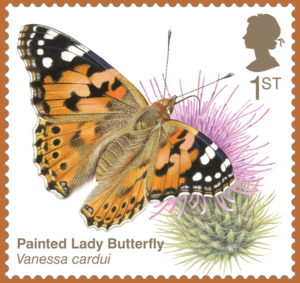
 Depicted on thistle. This migratory butterfly travels vast distances from the Middle East and Central Asia before arriving in the UK during the summer months.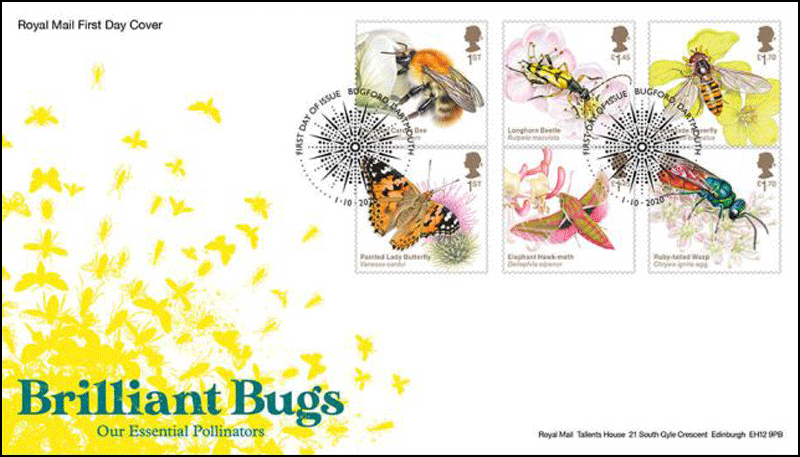
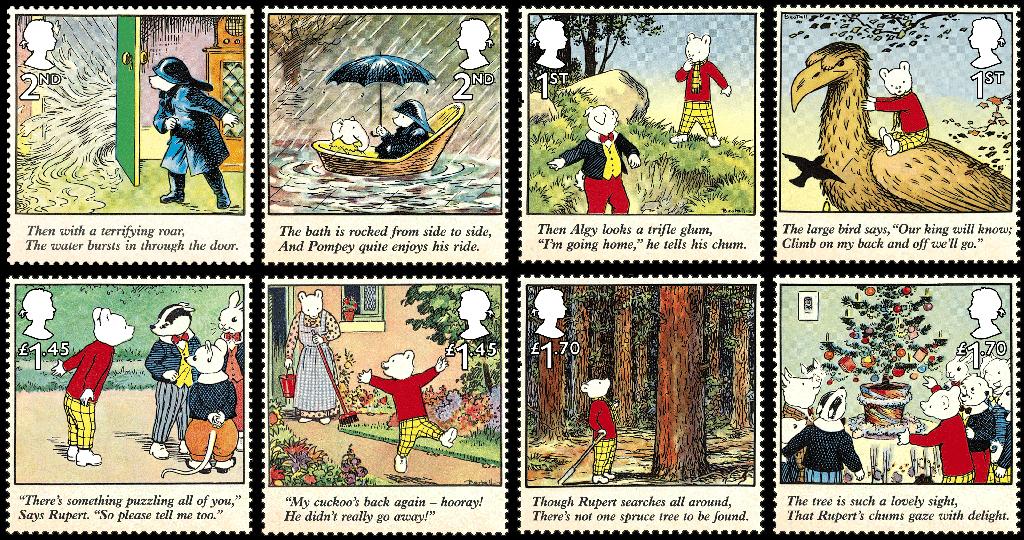
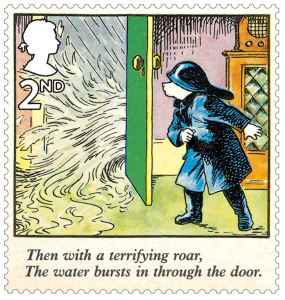
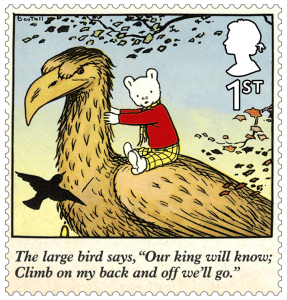
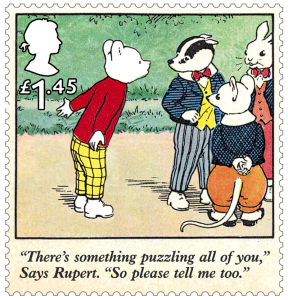
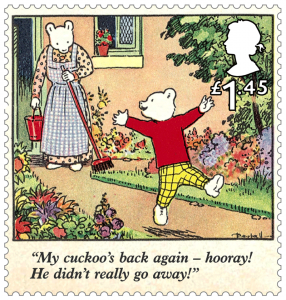
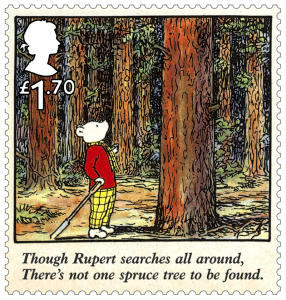
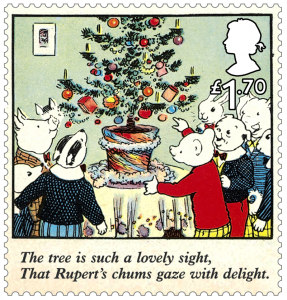 Mare’s Nest (1952), Rupert And The Lost Cuckoo (1963) and Rupert’s Christmas Tree (1947)
 Rupert Bear. The stamps feature the artwork of Alfred Bestall, who wrote and illustrated more than 270 Rupert stories after he took on the role in 1935.
 at the Express, and his wife, Mary, was the illustrator.
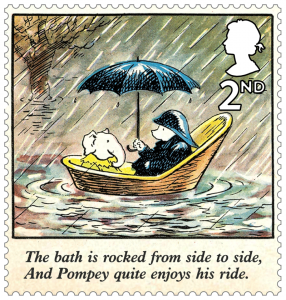
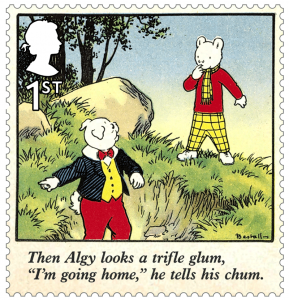 Her replacement was Alfred Bestall, an established artist with Punch and other magazines, who also illustrated children’s books. In total, he wrote and illustrated 224 Rupert stories for the newspaper and provided 47 other stories, mostly for the Rupert Annuals. In 1985 he was awarded the MBE for his work. He died the following year. It is his illustrations which are reproduced on the stamps which feature Rupert in adventures with some of friends including Algy Pup, Bill Badger and Pompey the baby elephant.
 whereby every picture had a rhyming couplet underneath, plus a few lines of story text to accompany them. Bestall’s couplets often ended with the promise of a mystery, so that the next day’s paper was eagerly awaited by children, curious to see how the story would unfold. Bestall also introduced new characters to add variety, including Lily Duckling, Gregory Guineapig, the Old Professor, Bingo and the Imps of Spring and Autumn. Most Rupert stories commence with the bear leaving home and end with him returning after an adventure in time for tea to tell his mother of his experiences.
 While books of reprinted Rupert stories appeared in the 1920s, it was decided that an annual publication would appear every Christmas. It was titled, Monster Rupert. The first volume was issued in 1931 and continued up to 1934, ceasing after Mary Tourtel retired.
 World War, the government sanctioned sufficient paper for the annuals to be printed, to help boost the morale of the public.
 generations of children to a wonderful make-believe world of magic and adventure.”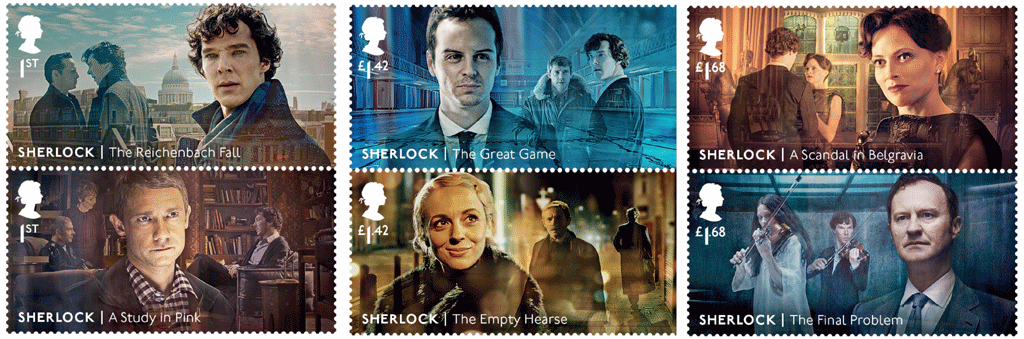
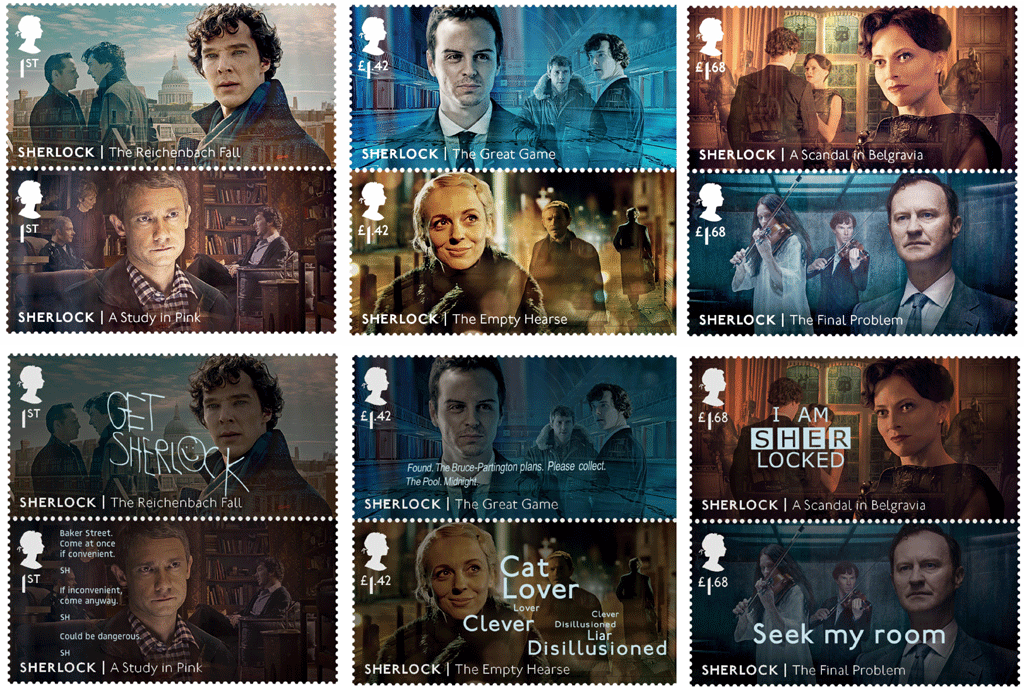
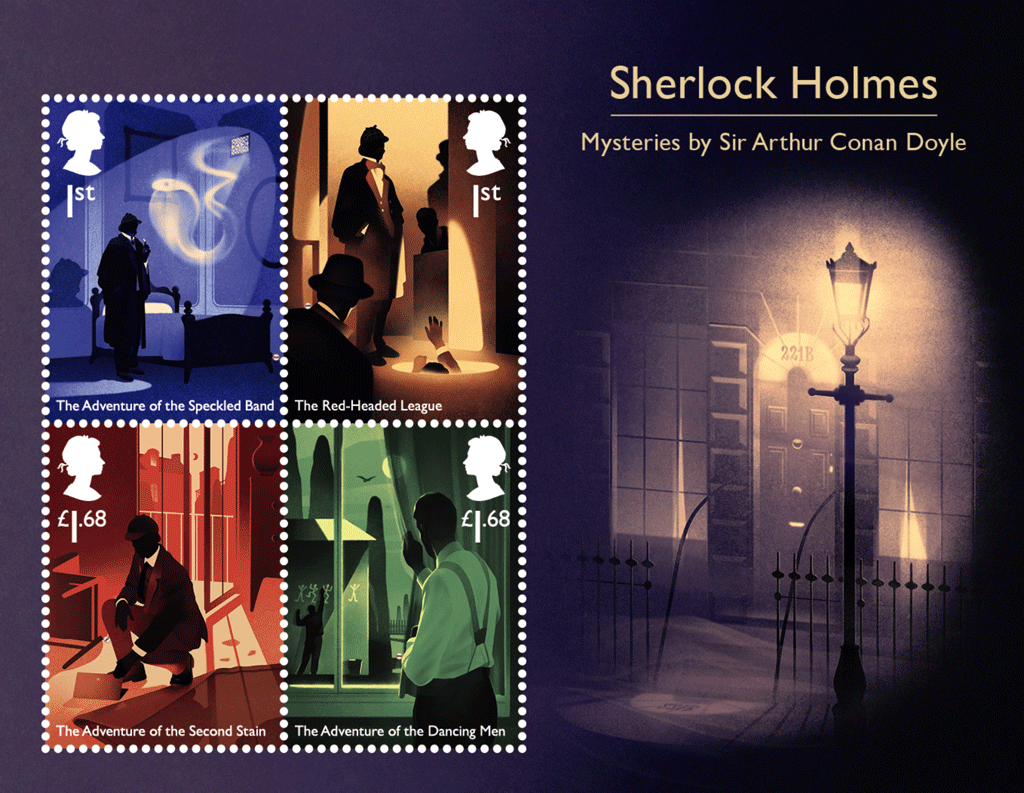
 Returning to London following a traumatic experience in the Afghanistan war, injured army medic Dr John Watson is on the hunt for a flatmate when he is introduced to Sherlock Holmes, a unique figure who describes himself as “the world’s only consulting detective”. The pair move into shared lodgings at 221B Baker Street, only for Watson to be drawn into an unexpected adventure when Sherlock begins investigating a series of bizarre ‘serial suicides’ that have left Scotland Yard baffled. Coming to the aid of Detective Inspector Greg Lestrade, Holmes soon discovers that each of these deaths is actually the work of the same sinister killer, who has the apparent ability to move undetected through the streets of London.
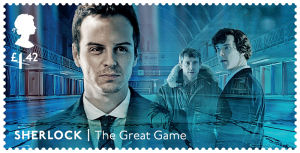 and John Watson are drawn into a cat-and-mouse game with London’s most notorious criminal, the enigmatic James Moriarty. The challenge is simple: working against the clock, Sherlock must solve a series of crimes, each more fiendish and challenging than the last. Ranging from the seemingly natural death of a popular TV star to the theft of important government files, each case adds another piece to Moriarty’s sinister, unfolding puzzle. Having successfully completed all five tests – and survived a bruising encounter with a master assassin known only as The Golem – Holmes accepts Moriarty’s invitation to join him at a deserted swimming pool where the criminal mastermind finally reveals his true identity.
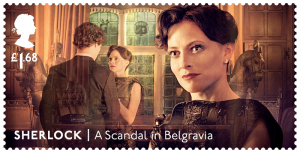 photographs of a member of the Royal Family on her phone, and calls on Holmes and Watson to retrieve the device. When our heroes track the flirtatious Adler to her London flat she escapes, taking the phone with her. But Sherlock is unable to forget his encounter with this alluring woman, and when her dead body is found he is deeply affected. It later transpires that Adler – who has also been passing information to Moriarty and threatening to blackmail the government – faked her demise to evade a gang of terrorists, who plan to bomb a transatlantic flight. Only Sherlock has the knowledge necessary to stop them.
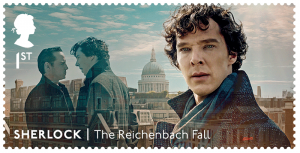 question following another encounter with the devious Moriarty. Having carried out audacious attacks on the Bank of England, Pentonville Prison and the Tower of London, Moriarty is captured in possession of the Crown Jewels. He is swiftly brought to trial, only to be unexpectedly acquitted – because, as Sherlock discovers, the crime lord either threatened or bribed the jury. Having gained his freedom, Moriarty manipulates the public and the media into believing that Sherlock is a fraud who carried out crimes only to ‘solve’ them himself. Matters culminate in a face-to-face showdown between Sherlock and Moriarty on the roof of a hospital, from where Sherlock apparently plummets to his death.
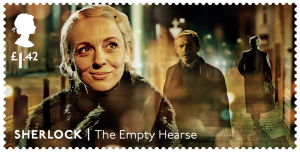 and eliminated the last vestiges of Moriarty’s criminal empire. He reintroduces himself to Dr Watson, only to be surprised when his old friend doesn’t welcome him with open arms. Watson, who is soon to be married to Mary Morstan, has spent the intervening years trying to come to terms with Sherlock’s death, and is understandably annoyed to discover that he has simply been in hiding. But the pair set aside their differences when Sherlock saves John from a kidnapping, and are soon on the case of a respected Lord who appears to have vanished on the London Underground. The case leads them to a bomb plot against the Houses of Parliament, and the revelation that there is a new master villain in town.
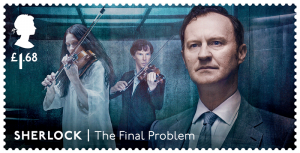 second sibling – a sister, Eurus, described as a genius to rival Isaac Newton, but with a total absence of human empathy. Eurus is being held in a secret maximum-security prison situated on an island in the North Sea, a last-resort facility housing the country’s very worst criminals. Holmes and Watson travel to the prison to confront Eurus, only to find that she has used her extraordinary powers of persuasion to take over the facility, bending the staff and fellow prisoners to her will. To avert a horrific tragedy, Sherlock and John must undergo a series of psychological trials designed to test the bonds of friendship between them.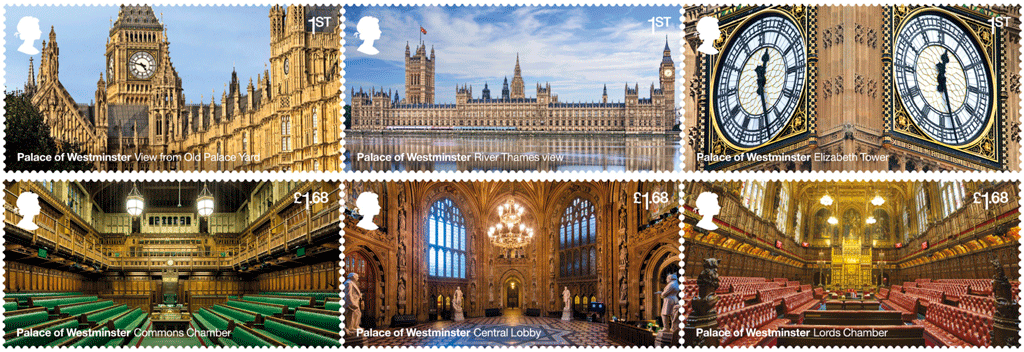
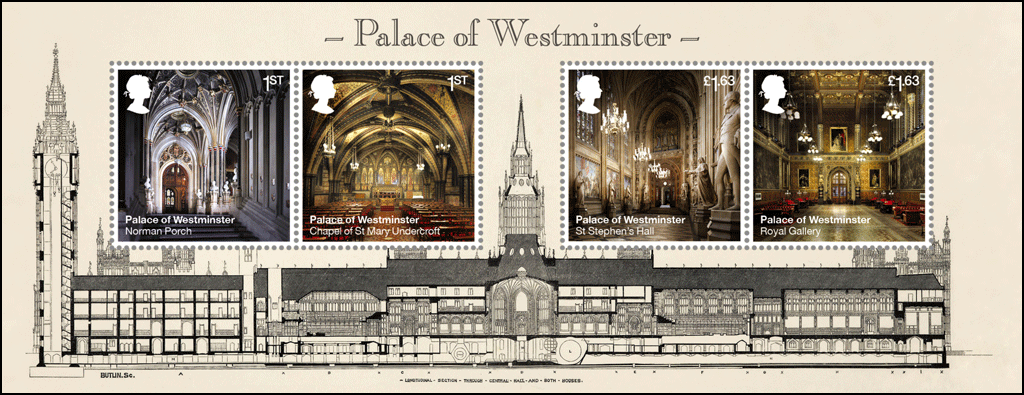
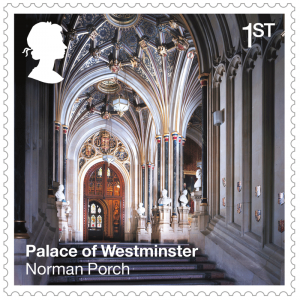 Westminster Abbey, as a UNESCO World Heritage site.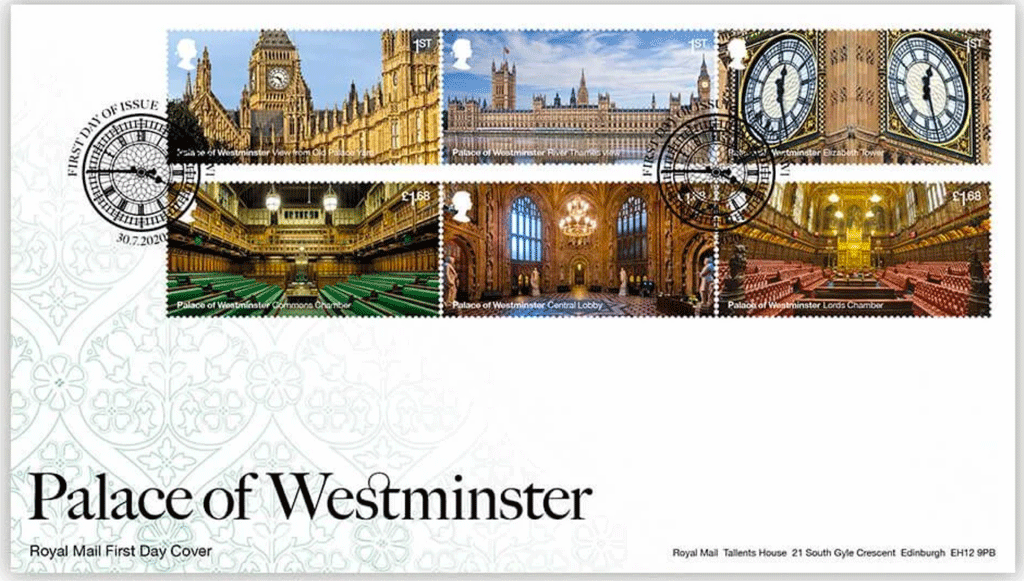
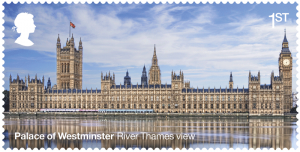 In 1835 a Parliamentary Committee decided that the Palace should be rebuilt.
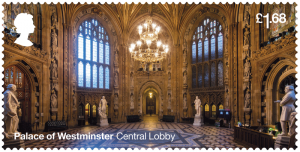 ertaken by Barry’s son, Edward Barry.
 between 1288 and 1290 during the reign of Edward I. There are 399 steps from ground level to the lantern.
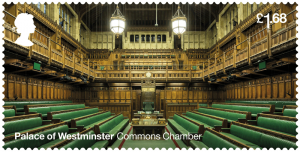 During the Blitz, the palace received several direct hits, and in 1941 the Commons Chamber was destroyed. The new chamber was designed by Sir Giles Gilbert Scott in a modern, pared-down Gothic Revival style, in places using wood from indigenous trees donated by the nations of the Commonwealth.
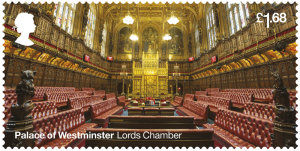 Sir Lindsay Hoyle, Speaker of the House of Commons, said: “Not only is the Palace of Westminster one of the best-known landmarks in the world, it is a living building – a workplace for MPs, peers and staff, as well as a tourist attraction and UNESCO World Heritage Site.
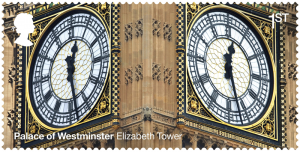 Lord Fowler, the Lord Speaker, said: “For 150 years, this striking and significant building has been a symbol of our democracy, but also a place of important work as the home of the House of Lords and House of Commons.
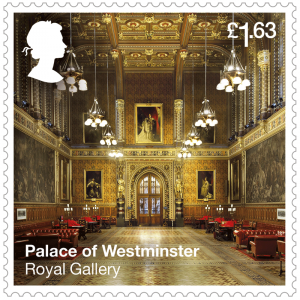
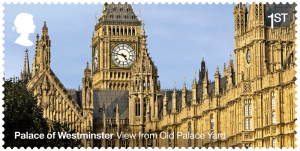 Philip Parker, Royal Mail, said: “The Palace of Westminster is one of the most recognisable buildings in the world. Our new stamps mark the anniversary of the completion of its rebuilding and celebrate the genius of its Gothic Revival architecture and design.”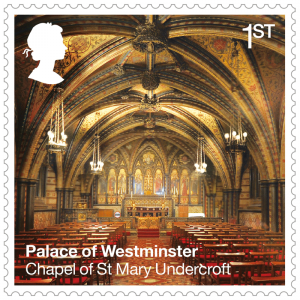
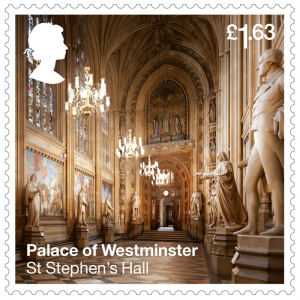 source of knowledge and inspiration for all. A special anniversary section of Parliament’s online shop will also be available – showcasing a collection of products specifically related to the famous building which houses Parliament which include the official guidebook, the encaustic tiles used throughout the Palace, and the popular Palace of Westminster tree ornament.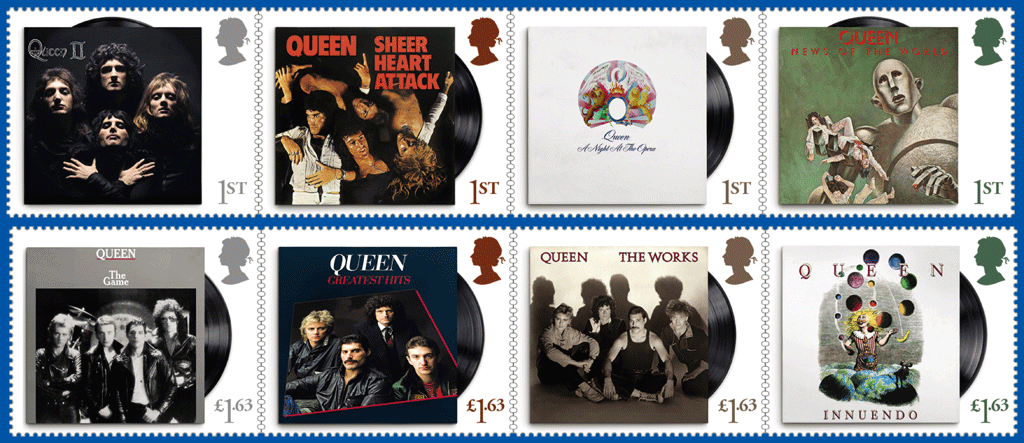
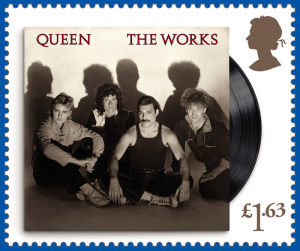
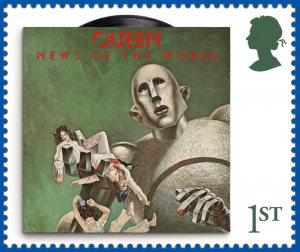
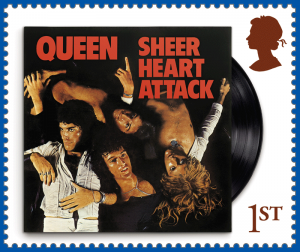
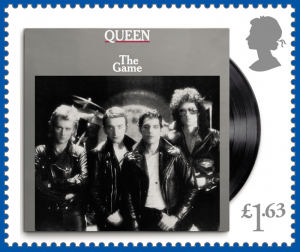
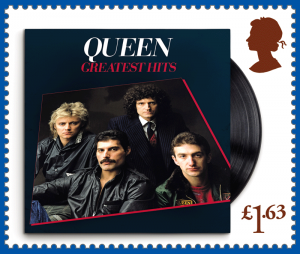
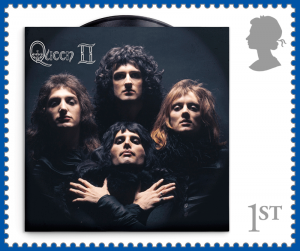 Eight stamps will feature images of some of their most popular and iconic album covers: Queen II, 1974; Sheer Heart Attack, 1974; A Night at the Opera, 1975; News of the World, 1977; The Game, 1980; Greatest Hits, 1981; The Works, 1984; and Innuendo, 1991
 UK’s most influential rock groups of all time, Queen. With more than 300 million record sales across five decades, they are one of the most successful music artists of all time.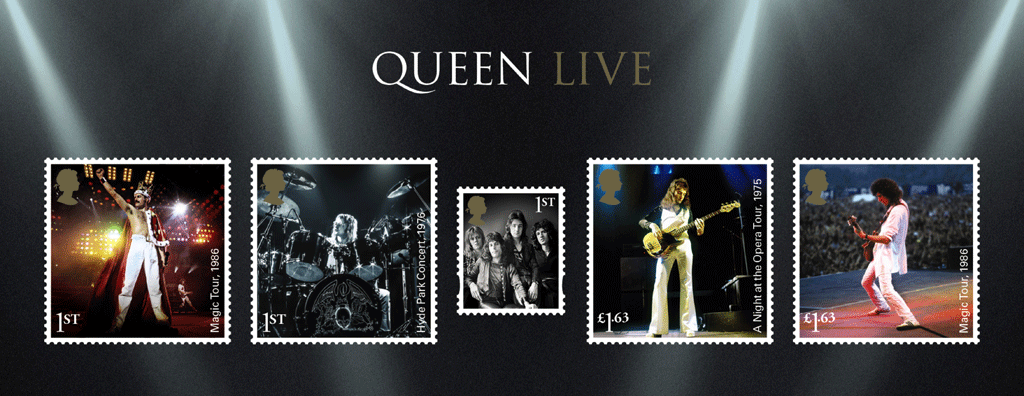
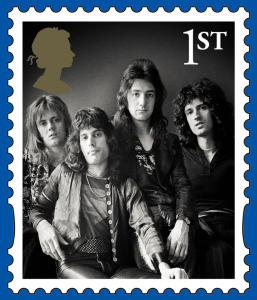 Roger Taylor said of the stamps: “”Wow…….stamps featuring our albums! What an honour. We must be really part of the furniture now! Thanks Royal Mail for stamping on us ! In gratitude.”
 Queen were in their formative stages when they were hired to play their first gig: a charity event at Truro City Hall, in June 1970, while still performing under the name Smile. By the time John Deacon joined the following year, the group had changed their name; the four-piece line-up that would remain together for the next two decades made their first live appearance at Surrey College on 2 July 1971.
 The band’s list of musical achievements is rivalled by few: countless platinum, multi-platinum and gold albums; numerous Ivor Novello and BRITS awards; induction into the Grammy Hall of Fame and a recipient of the Grammy Lifetime Achievement Award, Queen also hold the record for the biggest selling album of all time on the Official UK charts with sales of over six million copies of their Greatest Hits album. With their 2018 feature film “Bohemian Rhapsody” they reinvigorated their core fan base and generated a whole new audience the world over. The film became the biggest music biopic in history and swept the Golden Globes and Oscars with the soundtrack topping the charts the world over.
 Few bands can match the breadth of creativity on display in Queen’s discography. Dominating over four decades with their cutting-edge music, the band’s legacy continues to inspire.
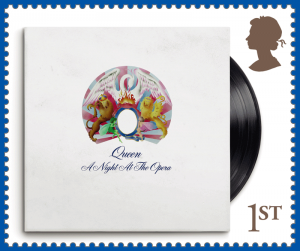 loved bands of all time with these stunning stamps.”
 Sheer Heart Attack, 1974, featured the single ‘Killer Queen’ which was their first global hit and they made their first Top of the Pops appearance.
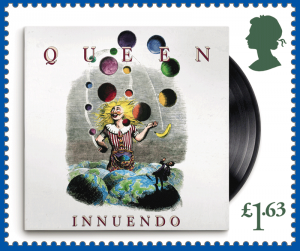 The Game, 1980, included their hit ‘Another One Bites the Dust’ which drew in new audiences.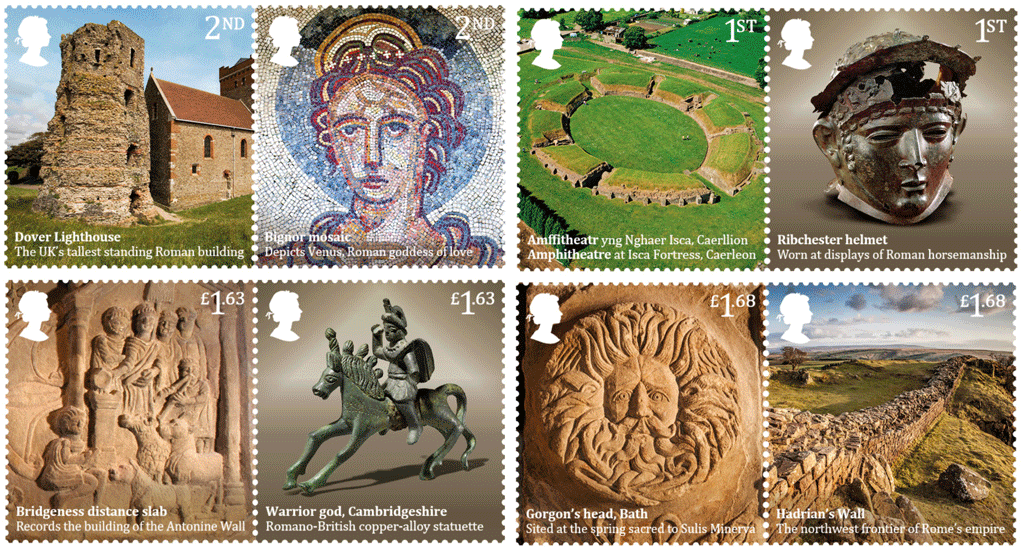
 Indeed, although most Britons lived and worked in the countryside, continuing a way of life established for centuries, some settled in towns and participated in Roman social and cultural customs, such as public bathing or visiting the amphitheatre to be entertained. Wealthy landowners built villas – country residences on the Roman model, often floored with mosaics.
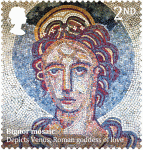 The Roman villa at Bignor, West Sussex, discovered in 1811 during ploughing, has some of the finest preserved mosaics from Roman Britain. The mosaic featured on the stamp, laid in an apsed room on the villa’s north side, probably dates to the early 4th century AD. It depicts a female head usually identified as the Roman goddess Venus.
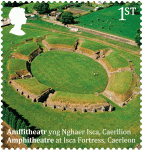 The amphitheatre at Caerleon (Isca) in southeast Wales (now in the north of the city of Newport) is the most complete to survive in Britain. It was built around AD 80, some years after the establishment of the nearby legionary fortress occupied by the Second Legion Augusta. The amphitheatre has a probable beast pen (carcer), in which animals and possibly humans were kept before their turn in the arena.
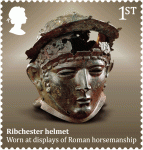 Discovered by a clogmaker’s son in 1796 at Ribchester, Lancashire, this helmet is one of the finest surviving examples of its type from anywhere in the Empire. It was worn by an expert cavalryman during cavalry sports events (hippika gymnasia) – flamboyant displays of military horsemanship and mounted weapons drill of great skill and timing. It is displayed at The British Museum.
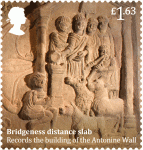 The Bridgeness distance slab at the eastern end of the Antonine Wall records its building by the Second Legion Augusta and documents the distance erected. The construction of the wall, primarily in turf, was ordered by Antoninus Pius in AD 138, and the wall ran from the Firth of Forth to the Firth of Clyde. It was occupied for only about 20 years. It is displayed at the National Museum of Scotland in Edinburgh.
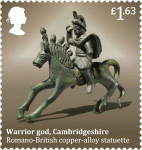 This attractive copper-alloy fgurine was discovered at Stow-cum-Quy in Cambridgeshire. Dating from the 3rd or 4th centuries AD, it depicts a helmeted rider on horseback who originally would have held a spear in his raised hand. The 8cm high figure is probably that of a local rider-god associated with Roman Mars and may have belonged to a shrine dedicated to the god. It is displayed at The British Museum.
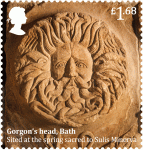 One of the most striking pieces of stone sculpture to survive from Roman Britain, this head occupied the pediment of the temple to Sulis Minerva at Bath, where it was set on a shield held aloft by Victories. An unusual portrayal of a male Gorgon, it also has echoes of Oceanus, the god of the oceans, an appropriate image for the sacred spring at the Roman Baths.
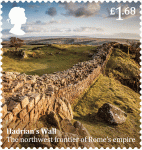 Hadrian’s Wall is the largest surviving Roman-era monument in Britain. Its construction followed Emperor Hadrian’s visit to the province in AD 122. A stone wall with milecastles, forts and a ditch, it formed a continuous barrier running from the River Tyne at Newcastle to Bowness on the Solway. Its likely purpose was to control tribal activity on both sides of the frontier.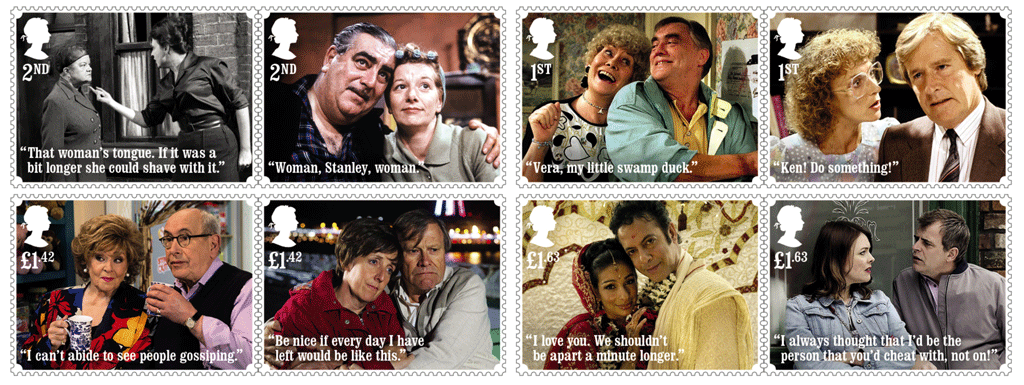
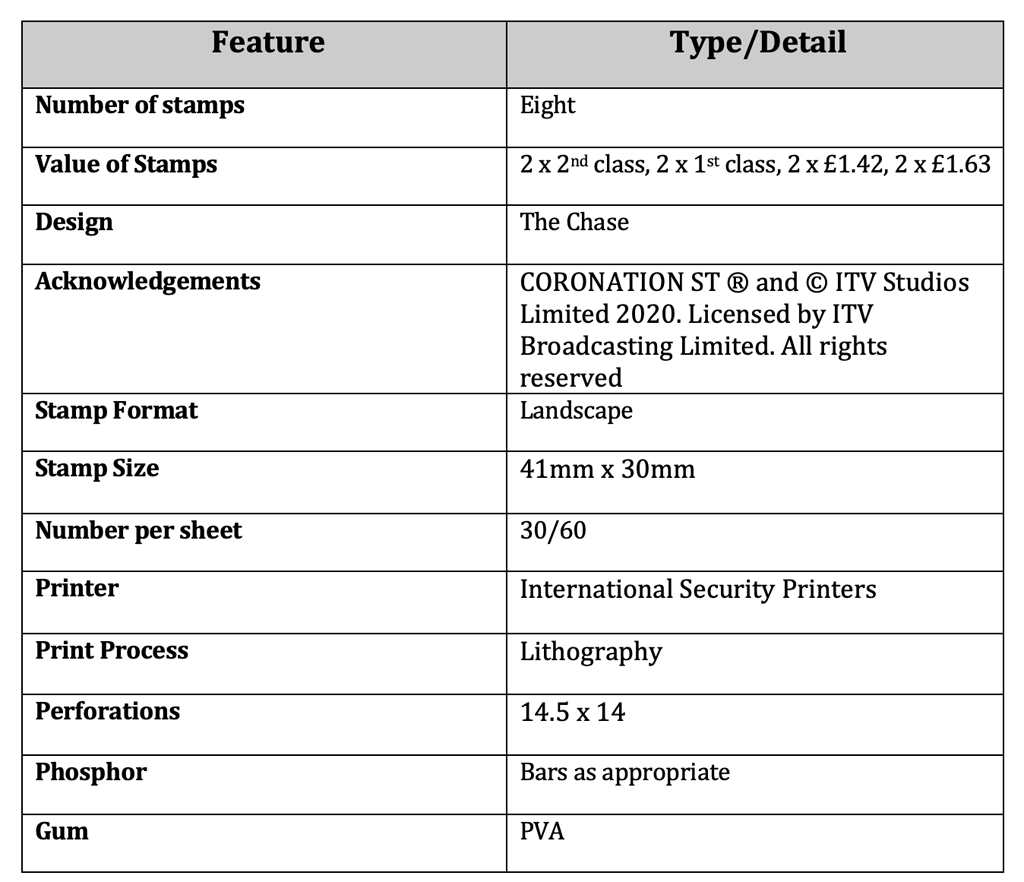
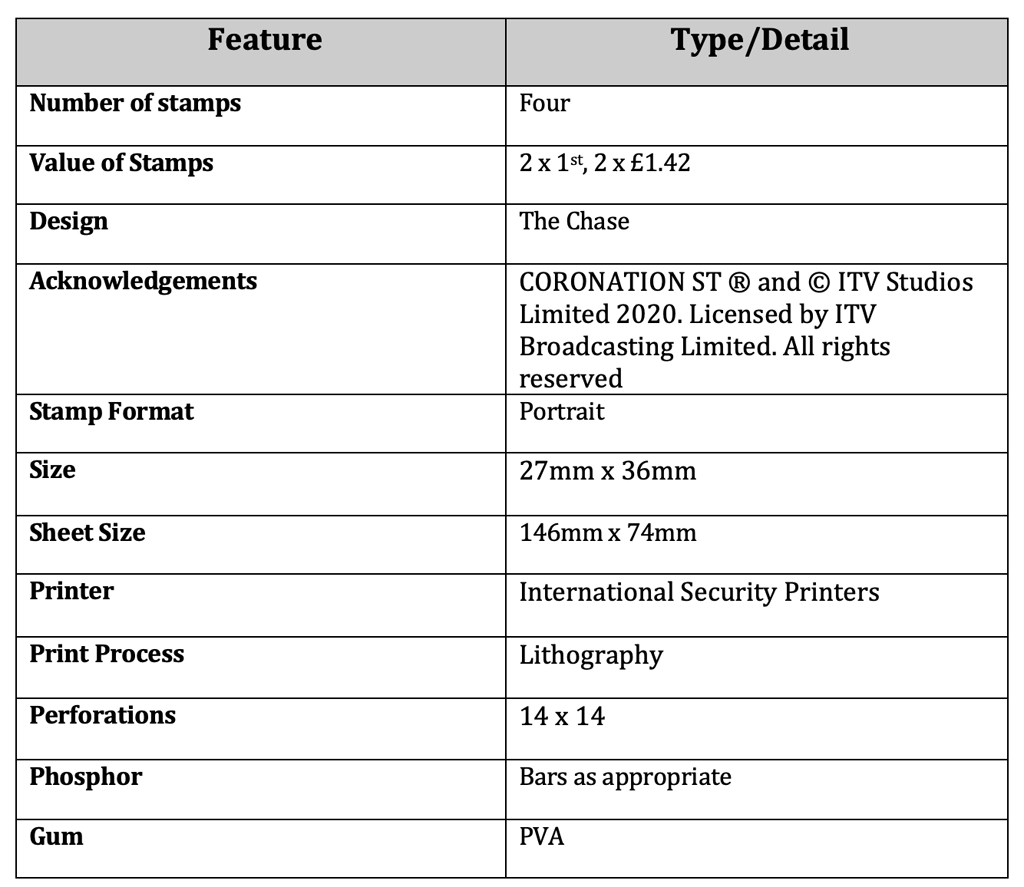
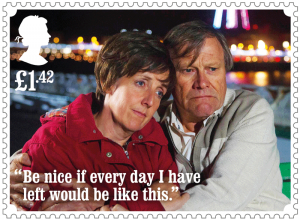 of the world’s longest running TV continuing drama, Coronation Street.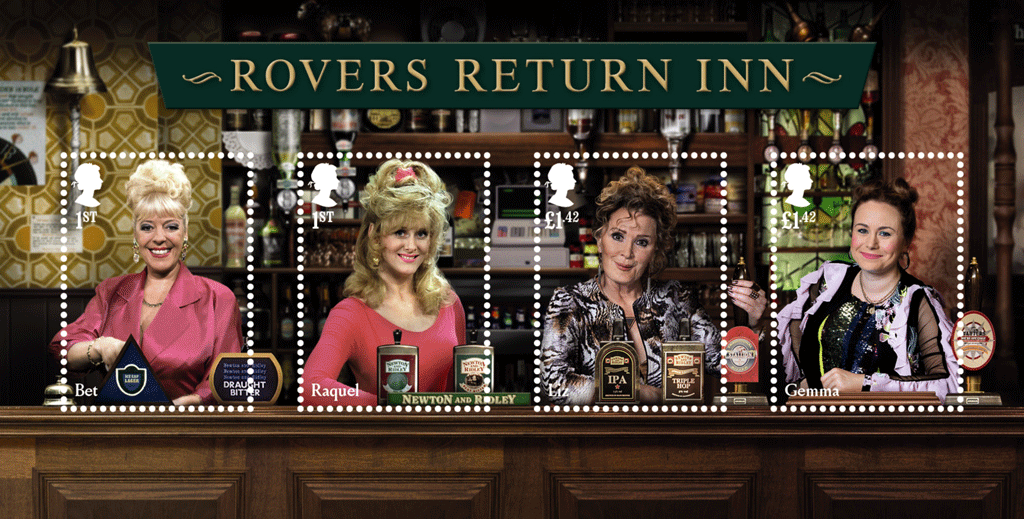
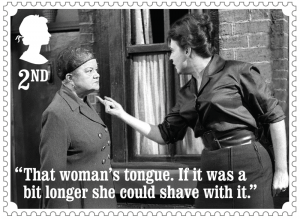 Within months of its first broadcast, which went out live on Friday 9 December 1960, Coronation Street became the country’s most-watched programme and has remained in the top 10 most watched TV shows every week since. The authenticity of its characters and storytelling made ground-breaking British television as the drama portrayed working class lives for the first time on the small screen. Six decades later, the unforgettable storylines and original trademark northern wit are the epicentre of a programme which is now an international hit, selling to over 100 countries.
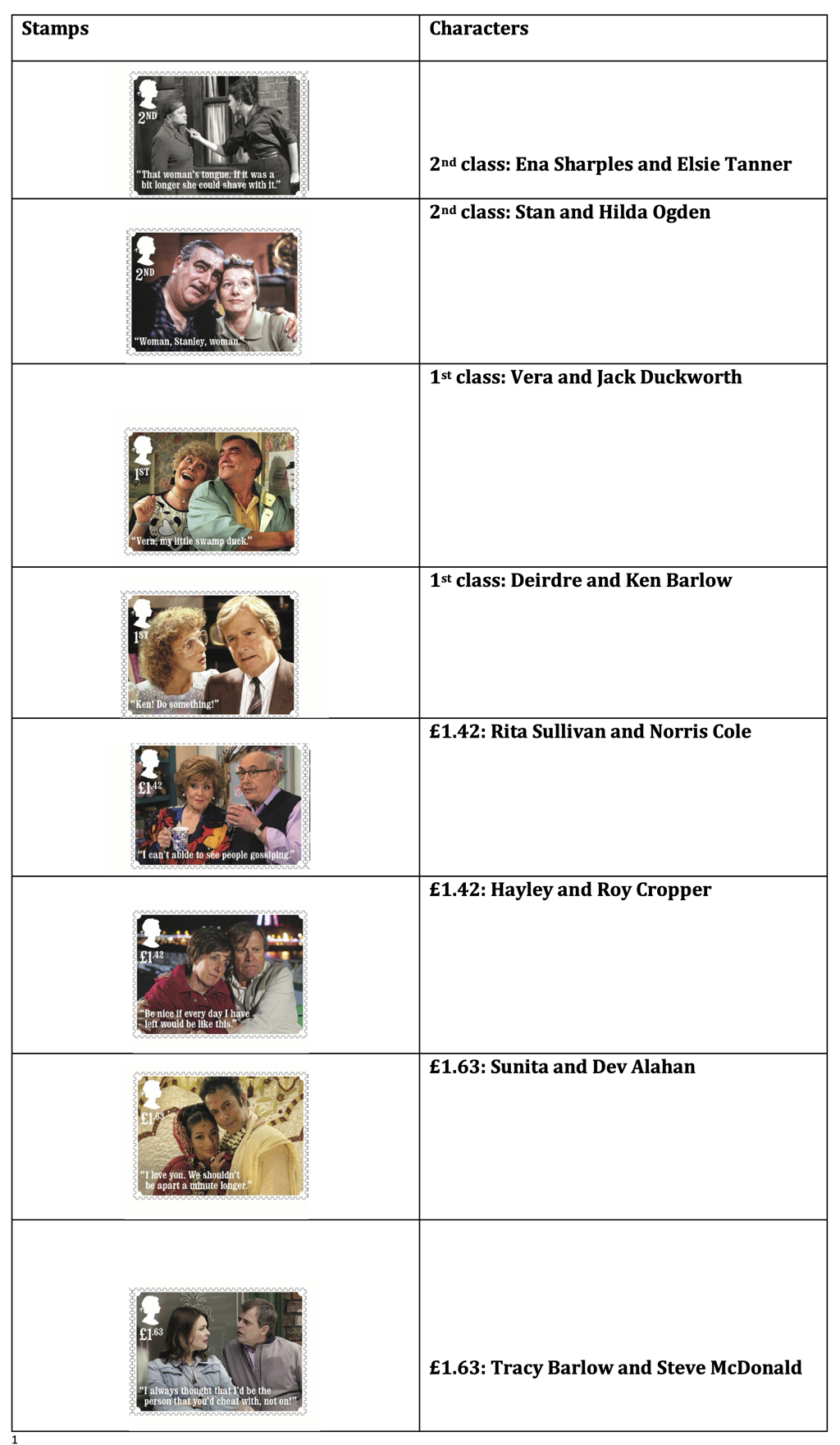
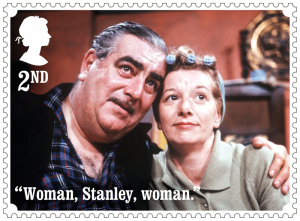 Coronation Street’s iconic characters are now part of British culture – Hilda Ogden despairing of her work-shy hubby Stan, Elsie Tanner and Ena Sharples’ bust-ups, Bet Lynch’s love life, the bond between Roy and Hayley Cropper, Rita and Mavis, the McDonalds, the Barlows and the Alahans… their stories have enthralled fans week after week.
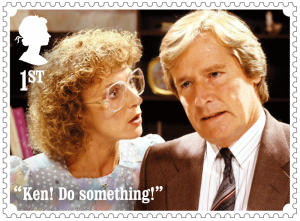 played by William Roache, shown on the right – is still in the cast today, an international achievement noted by Guinness World Records.
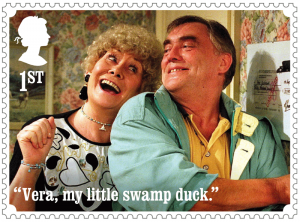 Coronation Street has had many iconic double acts down the years. Indeed, it’s a defining feature of the show. I hope fans will agree that the ones we’ve chosen, after much heated debate, are among the best of the bunch. This fun idea is a great way to pay homage to the nation’s best loved soap and give lovers of Coronation Street a little smile when an envelope pops through their letterbox and they see their favourite characters looking up at them.
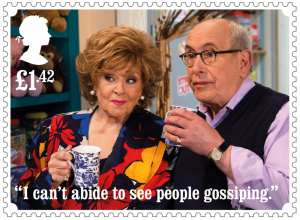 ”
”
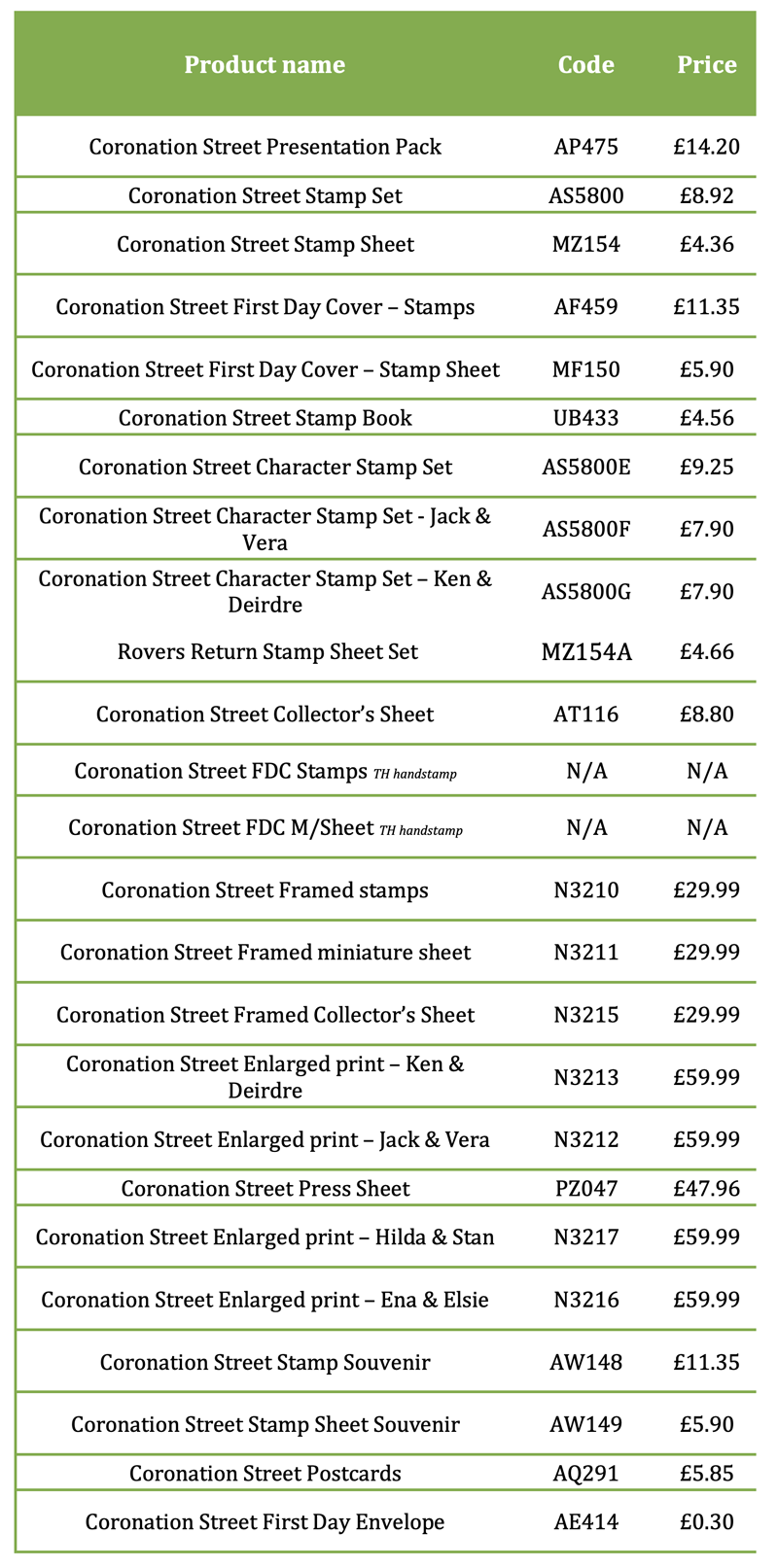
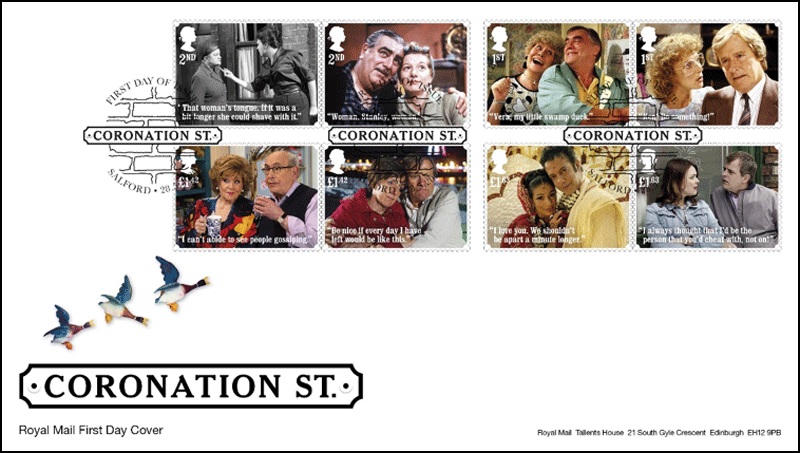 A personalised (will include customer name & address) memento of the day of issue. Includes a filler card (described below) the full set of eight Special Stamps cancelled the with alternative postmark, location being Salford, home to the Coronation Street studios in Manchester. The picture uses the official Coronation Street logo, with the issue date being 28.5.20. The envelope design features the flying ducks, a familiar part of the set design from the early years and now considered a show icon.*Please see note about postmarking & product availability
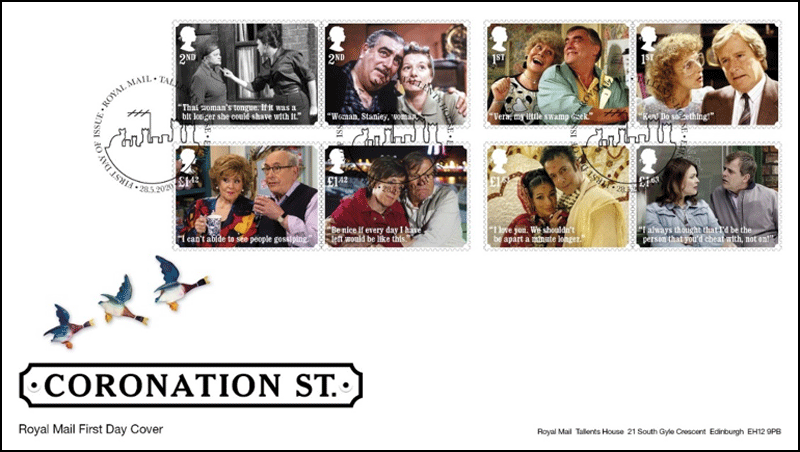 The same as above but with the Tallents House postmark. Again, it includes the filler card and full set of eight Special Stamps cancelled by a handstamp which takes inspiration from the show’s famous title sequence. Location is Tallents House with issue date 28.5.20 *Please see not about postmarking and availability.
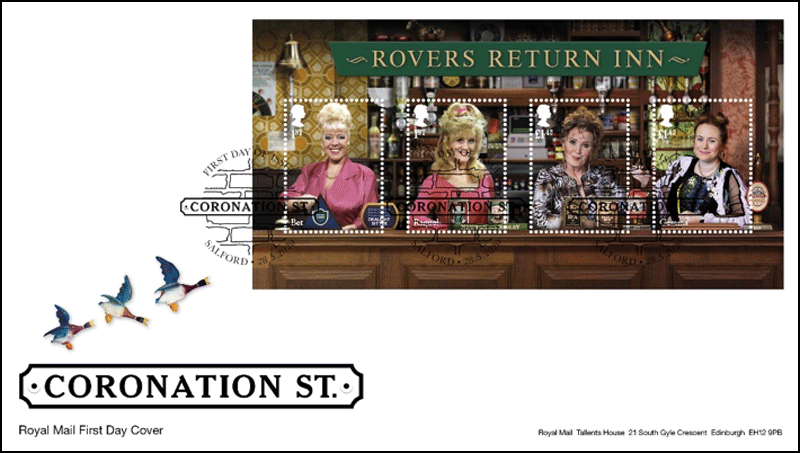 A personalised (will include customer name & address) memento of the day of issue.. Includes a filler card (described above) the stamp sheet, cancelled the with alternative postmark, location being Salford, home to the Coronation Street studios in Manchester. (Envelope & handstamp info same as stamps FDC)
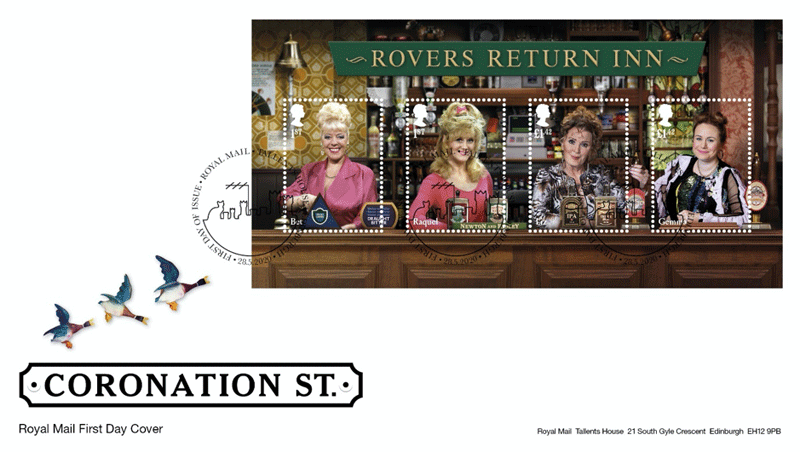 The same as above but with the Tallents House postmark. Again, it includes the filler card and miniature sheet cancelled by a handstamp which takes inspiration from the show’s famous title sequence. Location is Tallents House with issue date 28.5.20 *Please see note about postmarking and availability.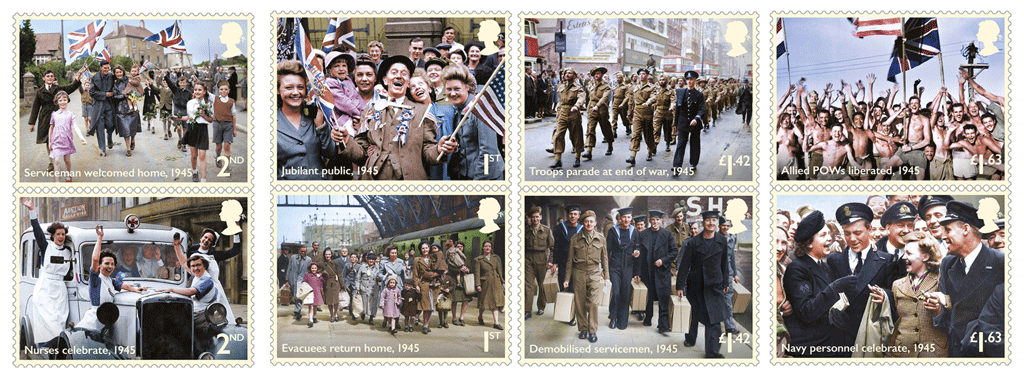
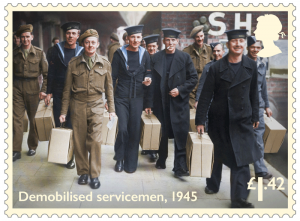
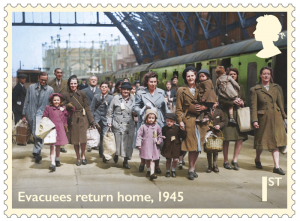
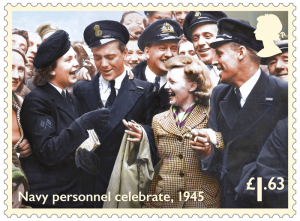
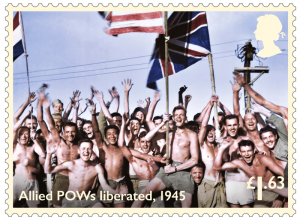 when news of the conflict’s end was announced, and the subsequent return of personnel from overseas and children who were evacuated
 The Second World War in Europe officially came to an end in the early morning of 7 May 1945
 A full set of all 12 stamps, available in a Presentation Pack, retails at £14.60
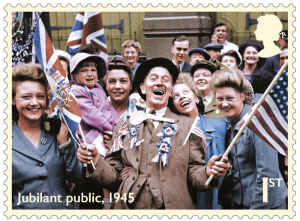 The eight images were originally photographed in black and white, but have been brought to life in colour for the first time by colourist, Royston Leonard.
 Evacuees returning home to London after a wartime stay in Leicester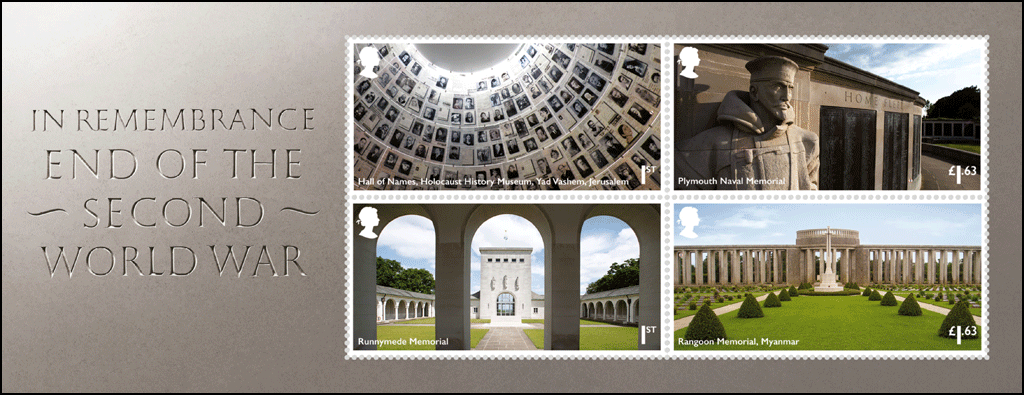
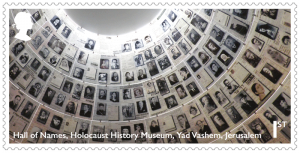 Israel’s official memorial to the victims of the Second World War Nazi genocide of six million Jews (which became known as the Holocaust), Yad Vashem – from the Hebrew for ‘A Memorial and a name’ was established in 1953. The Hall of Names memorial holds the names of millions of Holocaust victims, with some 600 portraits displayed on the exhibit’s cone-shaped ceiling.
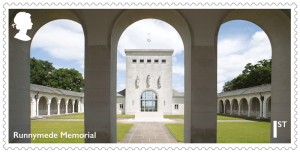 Located near Egham, Surrey, and maintained by the Commonwealth War Graves Commission, the Runneymede Memorial – sometimes known as the Air Forces Memorial – was unveiled by the Queen in 1953. It commemorates over 20,000 airmen and women who were lost during operations from bases in the UK and Europe during the Second World War and who have no known grave.
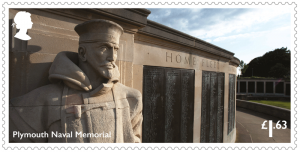 Originally unveiled in 1924 to commemorate more than 7,000 sailors who died in the First World War and have no known grave, the memorial was extended in the early 1950s to include nearly 16,000 sailors who perished during the Second World War. It is one of three national navel memorials built and maintained by the Commonwealth War Graves Commission.
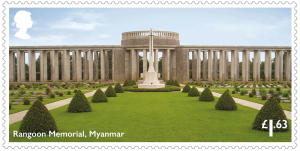 Situated within the Taukkyan War Cemetery, the Rangoon Memorial commemorates almost 27,000 dead of the British and Commonwealth Land Forces who fell during the Second World War campaigns against the Japanese in Burma (Myanmar) with no known grave. Established by the Commonwealth War Graves Commission in 1958, it forms the centrepiece of the cemetery which contains the graves of nearly 6000 Commonwealth soldiers.
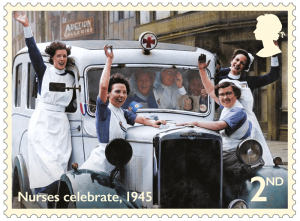 The Second World War in Europe officially came to an end in the early morning of 7 May 1945, when Germany signed a document of unconditional surrender. Public celebrations to mark the end of the war began spontaneously in many places as soon as people heard the news.
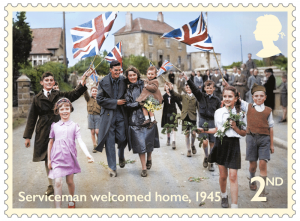 August 1945 that Japan also accepted unconditional surrender. A two-day national holiday began with VJ Day on 15 August.
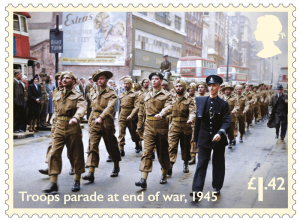 Philip Parker, Royal Mail said: “Our new stamps capture how the end of the War was greeted and the resulting return of service personnel after nearly six long years of conflict. We also pay tribute to those who never returned, and the victims of the Holocaust.”