Victoria-Era Stamps (UK 2025)

[press release] [click on any of the pictures for larger versions]
Royal Mail Revives Classic Stamps of the Victorian Era — with a Unique Additional Feature

  • Issue date: 27 November. This is the final issue of 2025.
  • The set brings together eight classic stamps issued during the reign of Queen Victoria
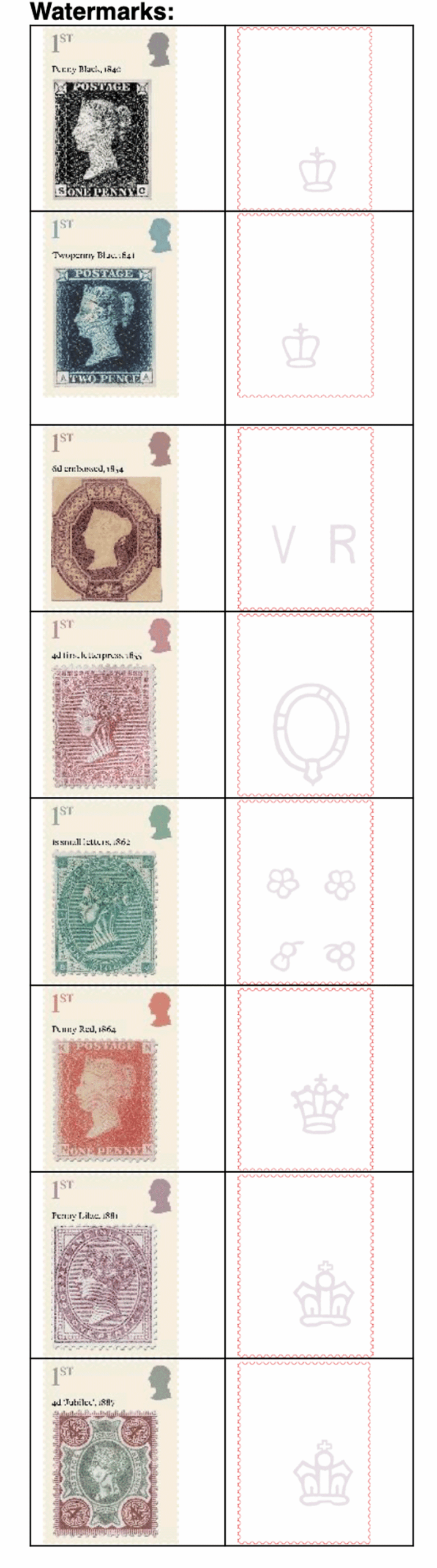
  • For the first time in the modern stamp programme, this set includes a unique feature: a watermark image printed on the reverse of each stamp, echoing the original security design from when they were first issued
  • The stamps and a range of collectible products are available from today (20 November) at www.royalmail.com/queenvictoria and by telephone on 03457 641641

Royal Mail has unveiled a set of stamps that pay tribute to some of the most iconic designs in British postal history.

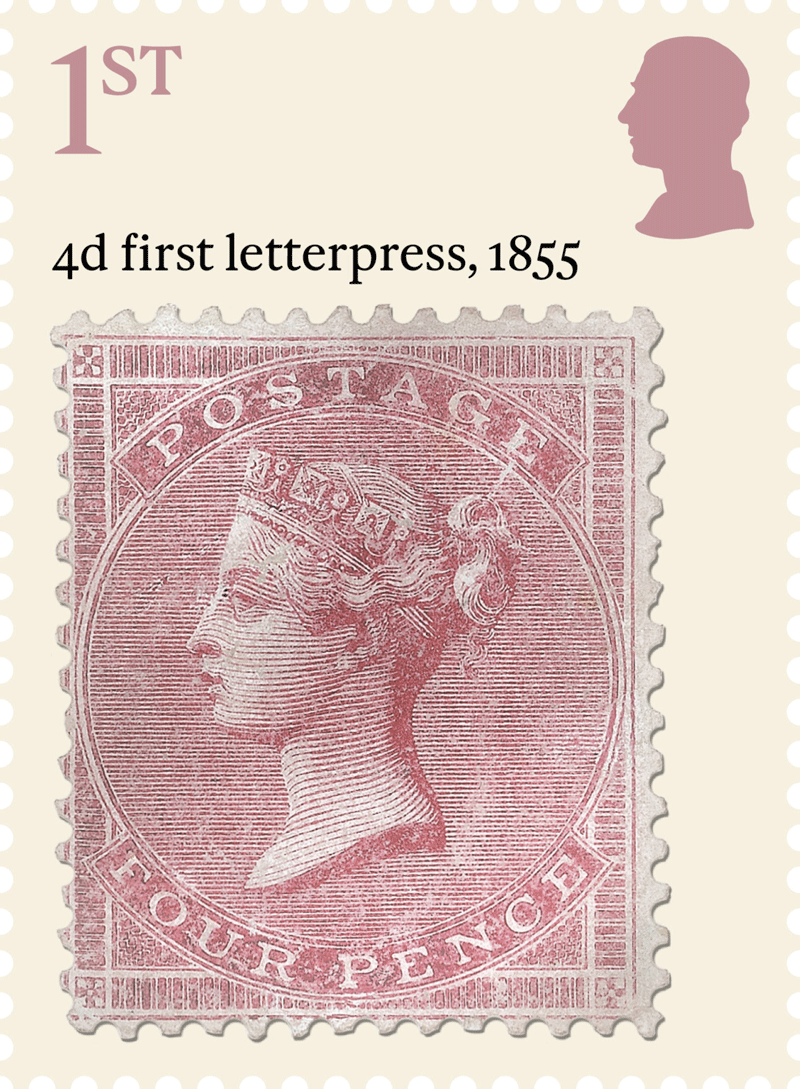
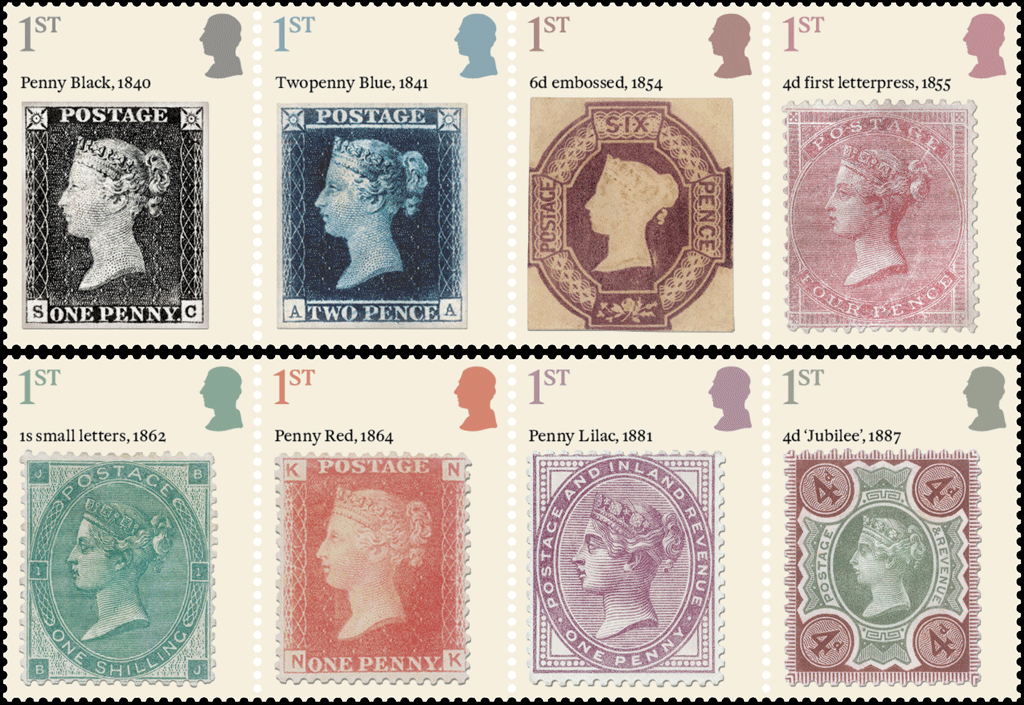
From the groundbreaking Penny Black of 1840, the world’s first adhesive postage stamp, to later classics such as the Penny Red, Penny Lilac, and the elegant 4d ‘Jubilee’ of 1887, the collection charts the evolution of British philately during Queen Victoria’s reign, which transformed communication forever. Each stamp features her unmistakable profile, a constant presence throughout more than six decades on the throne.
The main set includes eight 1st Class stamps:

  • Penny Black (1840)
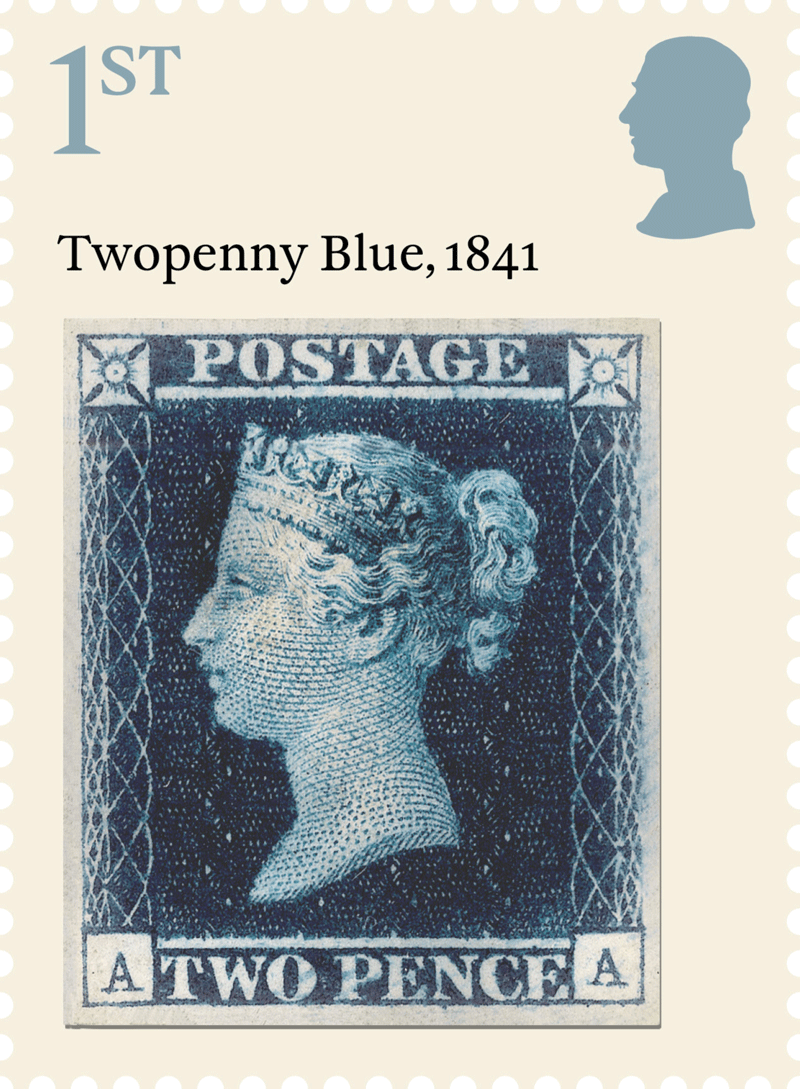
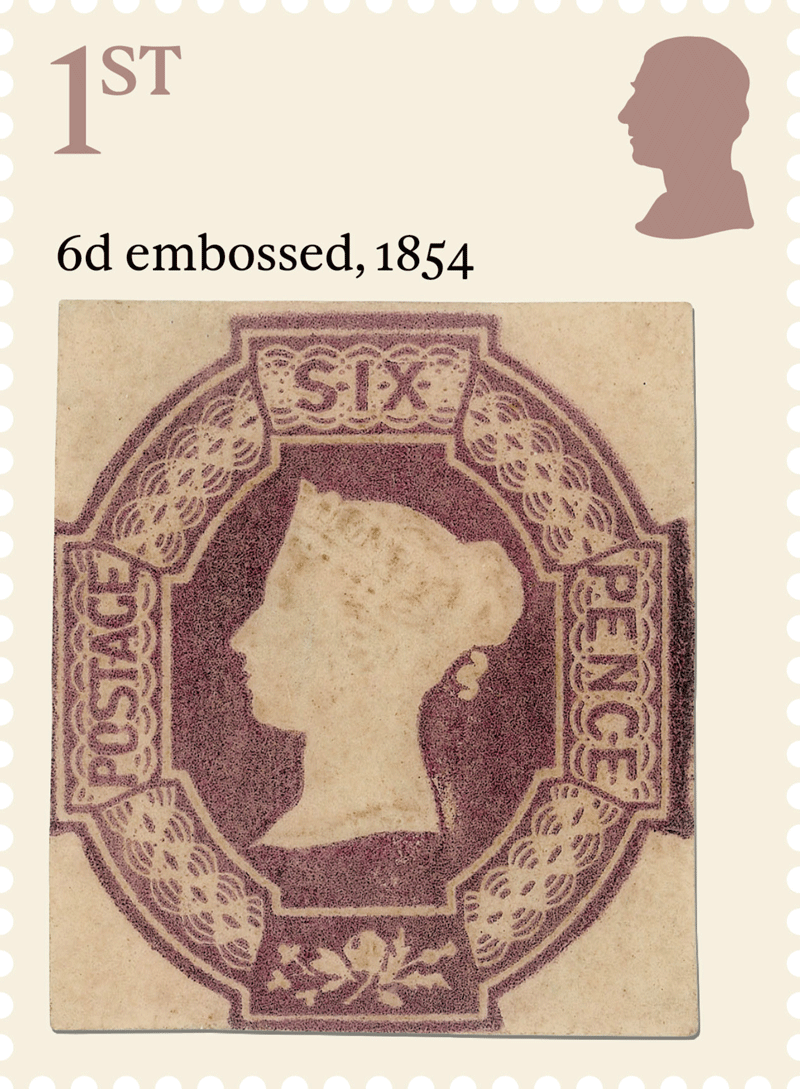
  • Twopenny Blue (1841), 6d embossed (1854) and 4d first letterpress (1855)
  • 1s small letters (1862) and Penny Red (1864)
  • Penny Lilac (1881) and 4d ‘Jubilee’ (1887)

Together, these stamps tell the story of a period defined by progress, invention and a monarch whose image became synonymous with the very act of sending a letter.

For the first time in the modern stamp programme, this set includes a unique feature: a watermark image printed on the reverse of each stamp, echoing the original anti-forgery design from when they were first issued. Each watermark corresponds to the era in which the original Victorian stamp was issued.

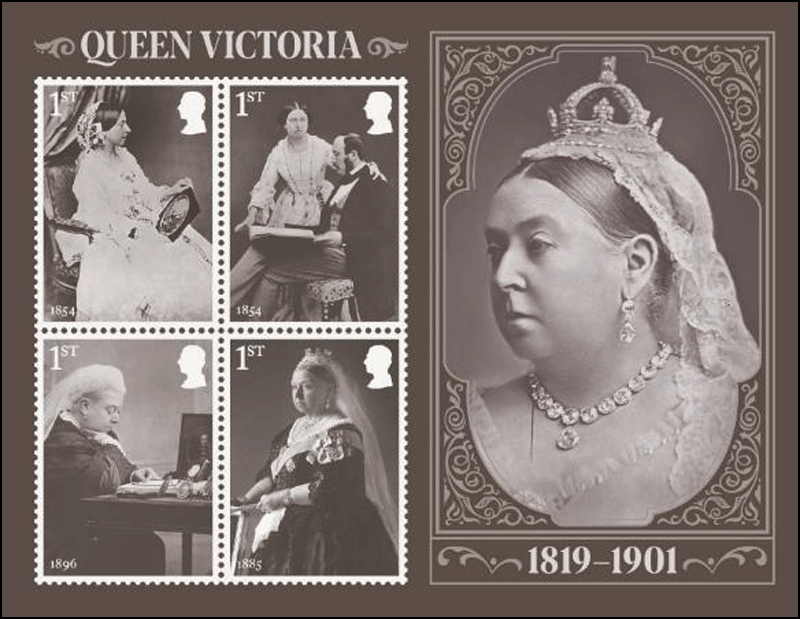
Accompanying the main set is a miniature sheet containing four stamps inspired by Queen Victoria’s personal passion for photography. Featuring four evocative portraits of the monarch, they offer an intimate glimpse of the life and image of a queen whose likeness became emblematic of an empire.

The photographs shown in each of these stamps show Queen Victoria at different stages of her reign — from a young queen in the 1850s to the dignified matriarch of empire in her later years. Alongside the stamps sits a striking portrait of Victoria, framed in a decorative border that reflects the artistry of the age.

David Gold, Director of External Affairs & Policy, Royal Mail, said: “Each of these stamps is a miniature masterpiece. Taken together, they tell the story of a communication revolution. By revisiting these iconic designs, we honour the enduring legacy of Queen Victoria, the origins of the modern postal service, and the timeless elegance of British stamps.”

The stamps, and a range of collectible products, are available to pre-order now at www.royalmail.com/queenvictoria and by telephone on 03457 641 641. A Presentation Pack including all 12 stamps is priced at £21.30. The stamps go on general sale from 27 November.


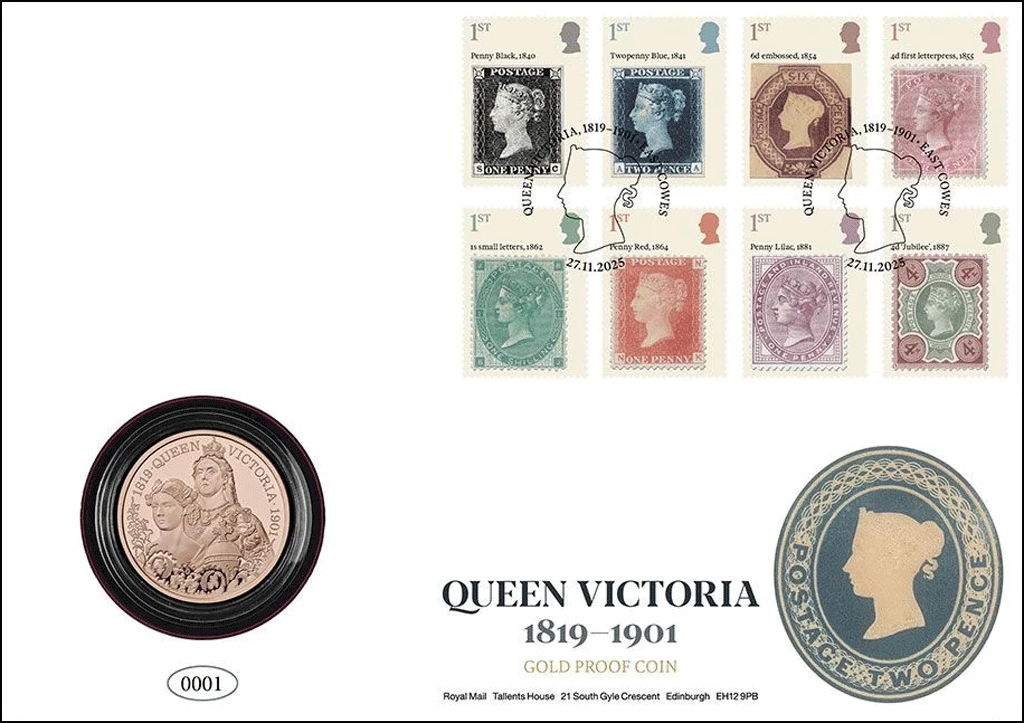
In addition to the usual philatelic products, this issue includes a prestige booklet, three different coin covers (the gold one, shown here, is £4,160, or US$5,461), and a press sheet.
The watermarks:

Christmas (UK 2025)

[press release] [click on any of the pictures for larger versions]
Royal Mail Reveals Stamps for Christmas 2025

  • Issue date: 4 November 2025
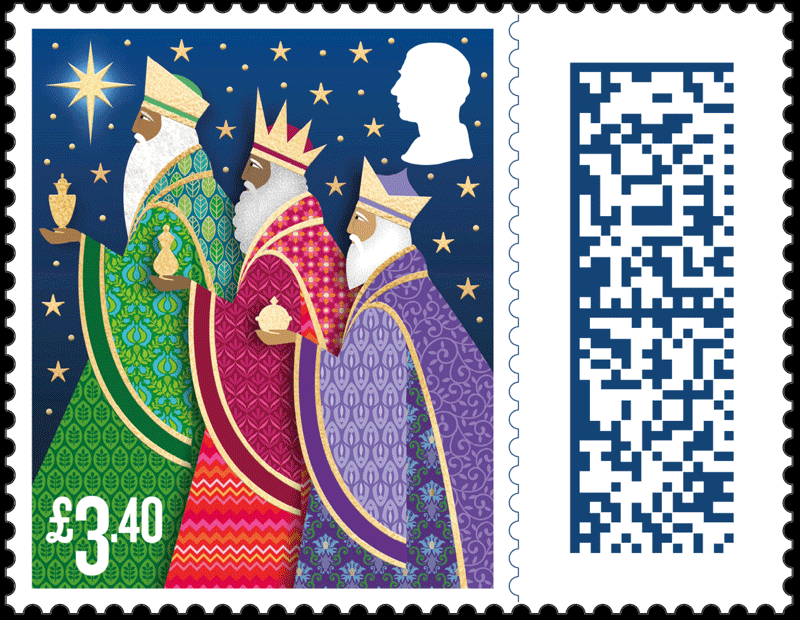
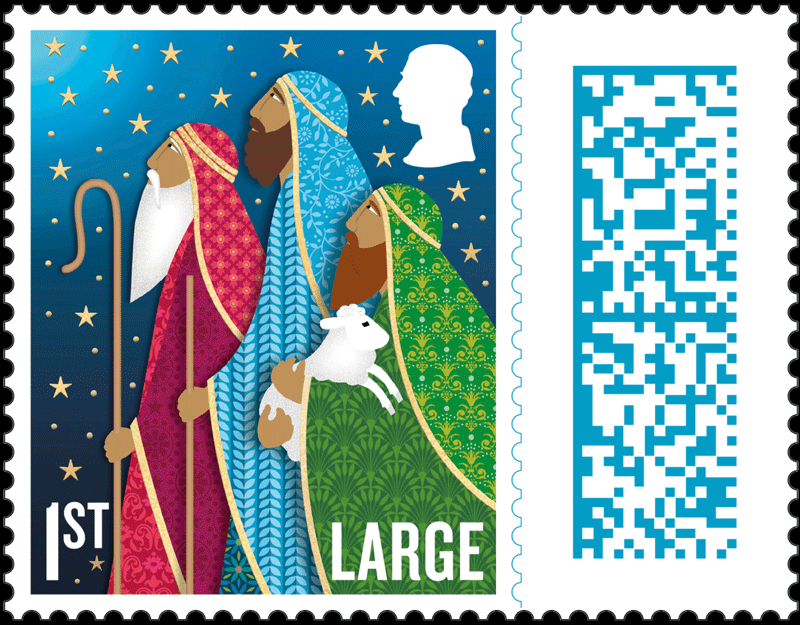
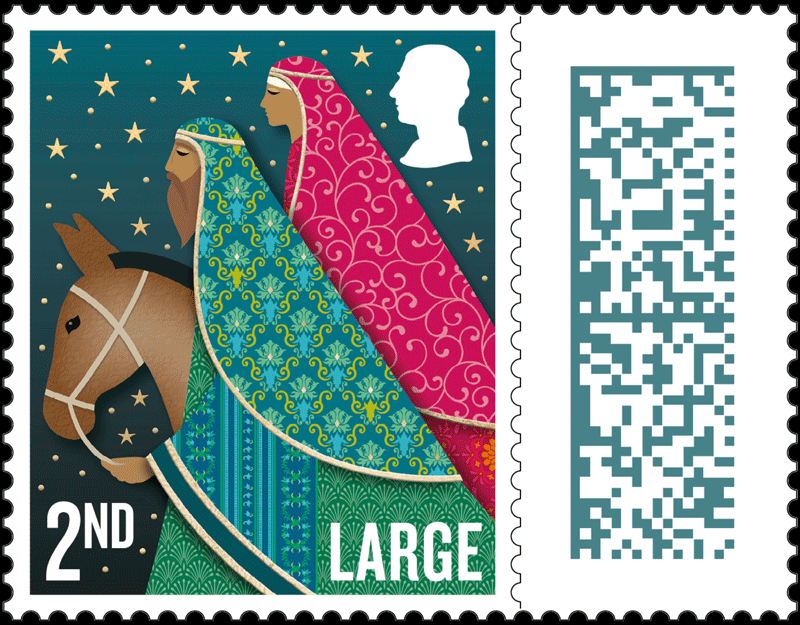
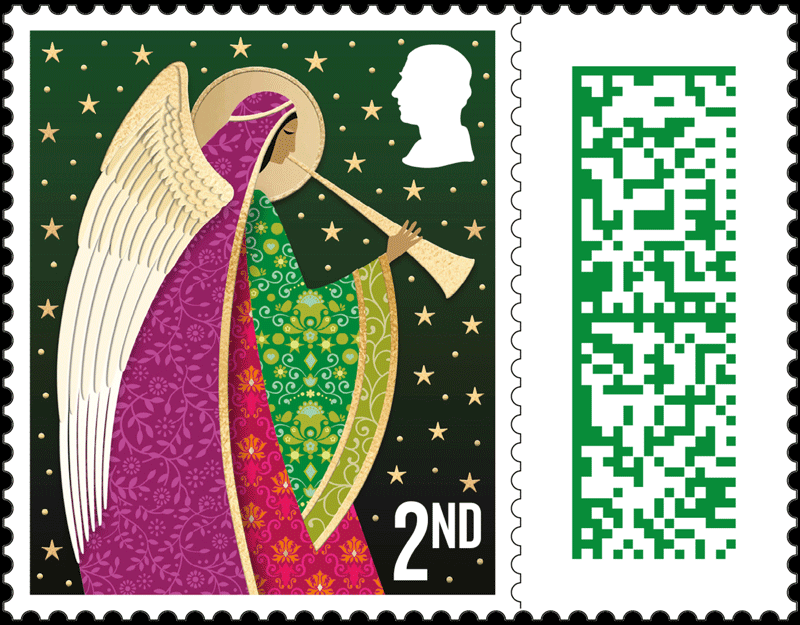
  • Royal Mail celebrates Christmas 2025 with a series of five stamps, exclusively designed by illustrator Paula Doherty
  • The stamps focus on key characters within the Nativity: Mary, Joseph, the shepherds, the Wise Men, an angel and Baby Jesus
  • The stamps and a range of collectible products are available now at www.royalmail.com/christmas2025 and by telephone on 03457 641641

As people across the nation prepare to write their Christmas cards, Royal Mail today reveals its Christmas 2025 stamps, featuring scenes of the Nativity. The stamps have been exclusively designed by award-winning illustrator Paula Doherty.

The illustrations for this year’s Christmas stamps celebrate the beauty of surface and texture. The designs evoke the richness of inlaid marble, enamelling, marquetry, and collage—each suggesting a tactile, crafted quality. These techniques share a common thread: assemblage. Through various fragments brought together in harmony, Paula’s work offers a fresh and vibrant interpretation of the Nativity story.

The stamps depict:

  • Angel – 2nd Class
  • Mary and Joseph – 2nd Large Letter
  • Mary and the Baby Jesus – 1st Class
  • Shepherds – 1st Large Letter
  • Three Wise Men – £3.40

Royal Mail also worked with Professor Ben Quash, Professor of Christianity and the Arts at King’s College London, and Professor Andrew Davison, Regius Professor of Divinity at the University of Oxford, on the stamp issue.

David Gold, Director of External Affairs & Policy, Royal Mail, said: “For many people, once the Christmas stamps go on sale, the seasonal preparations can begin! There’s something truly magical about this time of year, and these stamps capture that spirit perfectly. We are very grateful to Paula Doherty for these beautiful illustrations, which set the perfect tone for the festive season.”

Illustrator Paula Doherty said: “I’m so delighted that my designs will finally be out in print and feel excited and slightly overwhelmed to think that they will be on envelopes flying all around the world this Christmas. The hardest part of the whole process was keeping my involvement under wraps as the unveiling of the Christmas stamps is part of the magic so I couldn’t tell anyone until their release. It was a long time to keep a secret!”

Monopoly (UK 2025)

[press release] [click on any of the pictures for larger versions]
Pass Go, Collect Monopoly Stamps:
Royal Mail Celebrates a Timeless Classic

  • Issue Date: 16 October
  • New stamps mark the 90th anniversary of Monopoly, the world’s favourite board game brand
  • A limited-edition postbox Monopoly playing token is also available
  • The stamps and a range of collectible products are available to pre-order now at www.royalmail.com/monopoly and by telephone on 03457 641641

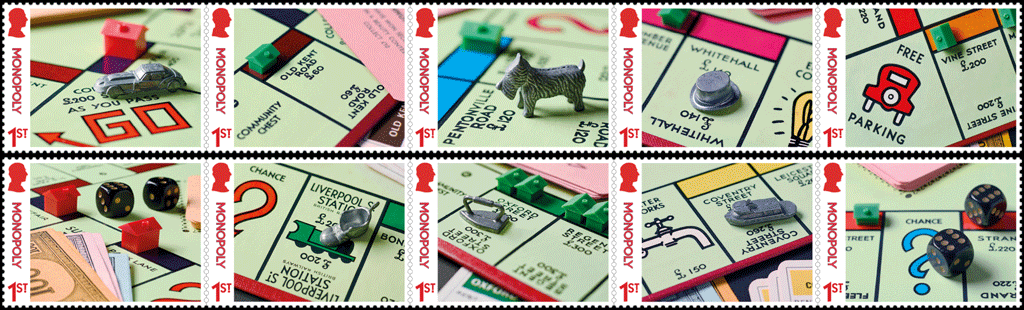
Royal Mail, under license from Hasbro, a leading games, IP and toy company, has unveiled a striking new set of 10 stamps to commemorate the 90th anniversary of one of the nation’s most beloved board games: Monopoly.

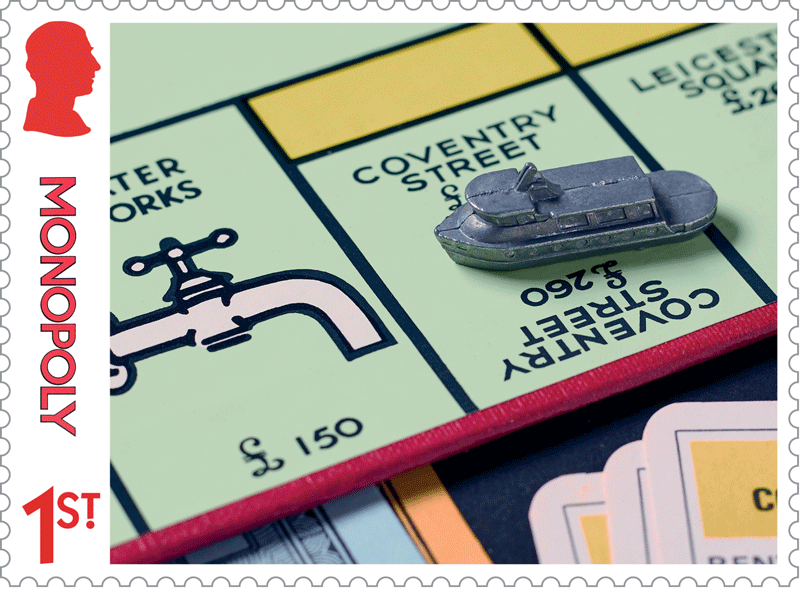
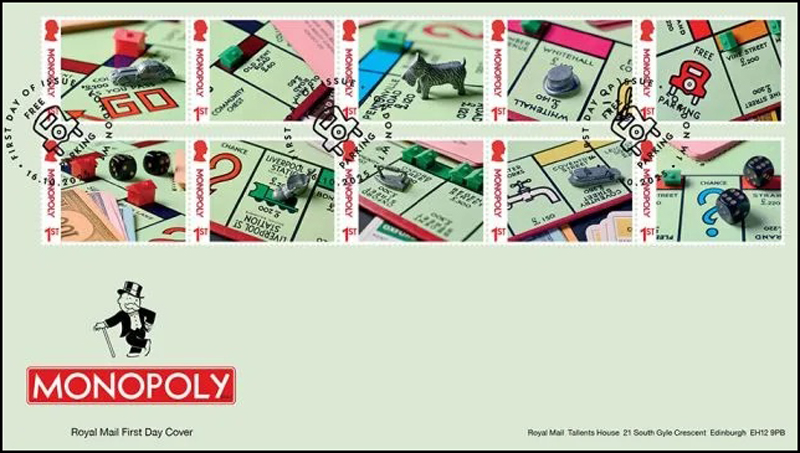
The stamps capture iconic moments and locations from the classic UK edition of the game, including:

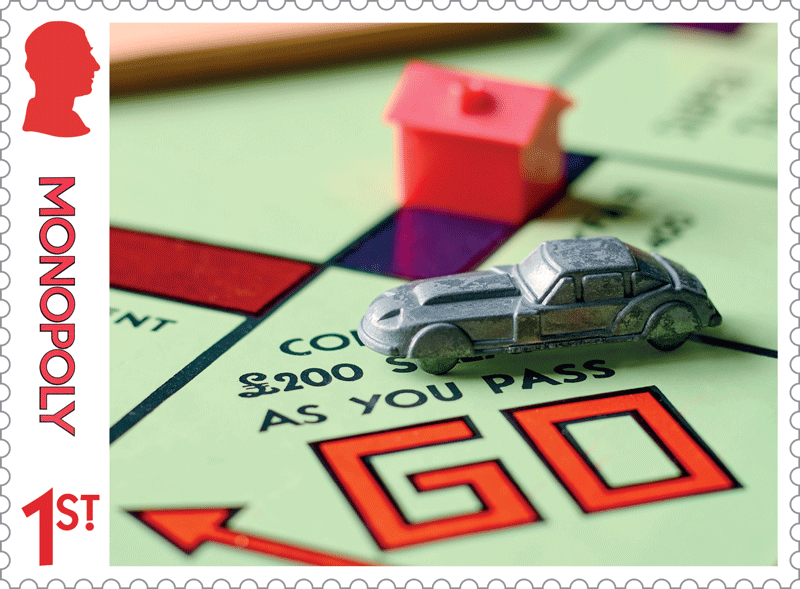
  • Collect £200 Salary As You Pass Go
  • Old Kent Road
  • Pentonville Road
  • Whitehall
  • Free Parking and Vine Street
  • Park Lane
  • Liverpool Street Station
  • Oxford Street and Regent Street
  • Coventry Street
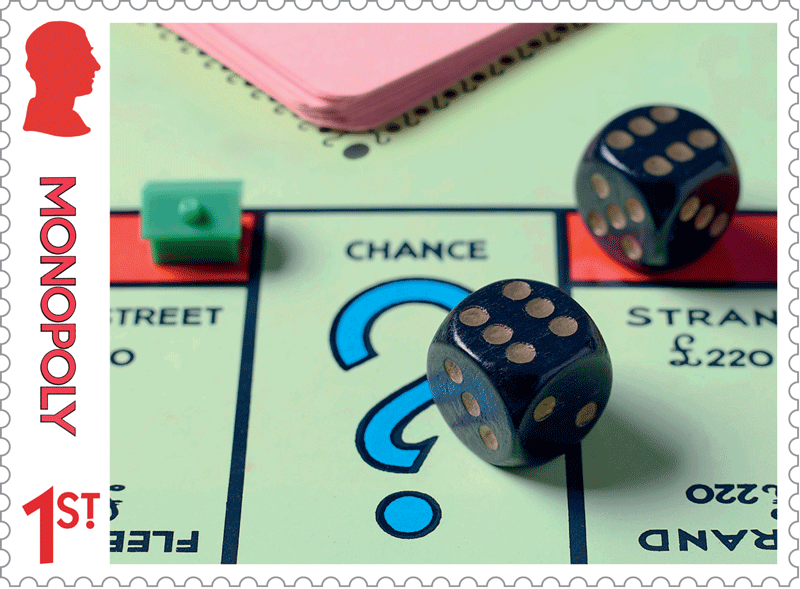
  • Chance

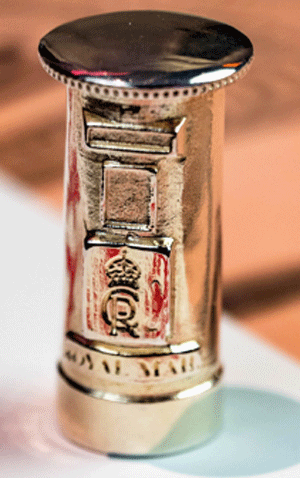
In addition to the stamps, Royal Mail is launching a limited-edition run of 5,000 Monopoly postbox playing tokens [right, £39.99], available for purchase exclusively via the Royal Mail website. These collectible tokens pay tribute to the familiar red postboxes seen across the UK and offer fans a unique way to celebrate the game’s legacy.

Monopoly first arrived in the UK in the 1930s when John Waddington Limited of Leeds secured the European licence, following its original release in the United States. The British edition, featuring well-known London streets and landmarks, quickly became a cultural icon.

Today, Monopoly is played by over one billion players in 114 countries and has been translated into more than 40 languages, continuing to bring families and friends together around the world.

David Gold, Director of External Affairs & Policy, Royal Mail said: ” Monopoly has been a cherished part of British family life for generations, and we’re proud to celebrate its 90th anniversary with this Special Stamp issue. These designs pay tribute to the game’s enduring legacy and its deep connection to London’s streets and culture. We hope fans of all ages will enjoy this nostalgic journey around the board.”

Marianne James, Senior Vice President, Global Licensed Consumer Products, Hasbro said: “Monopoly has been bringing friends and family together for 90 years, and it’s an honour to mark this milestone alongside Royal Mail. These Special Stamps celebrate not only the game’s incredible legacy, but also its unique ties to the UK. It’s a wonderful way to pay tribute to a brand that continues to spark joy, connection and a little friendly competition for families everywhere.”

The stamps, and a range of collectible products, are available to pre-order now at www.royalmail.com/monopoly and by telephone on 03457 641 641. A Presentation Pack including all 10 stamps is priced at £17.90. The stamps go on general sale from 16 October.


The philatelic products include postcards; framed stamps; first day covers with either of two postmarks, and either addressed or unaddressed (£21.05 or currently US$28.16)

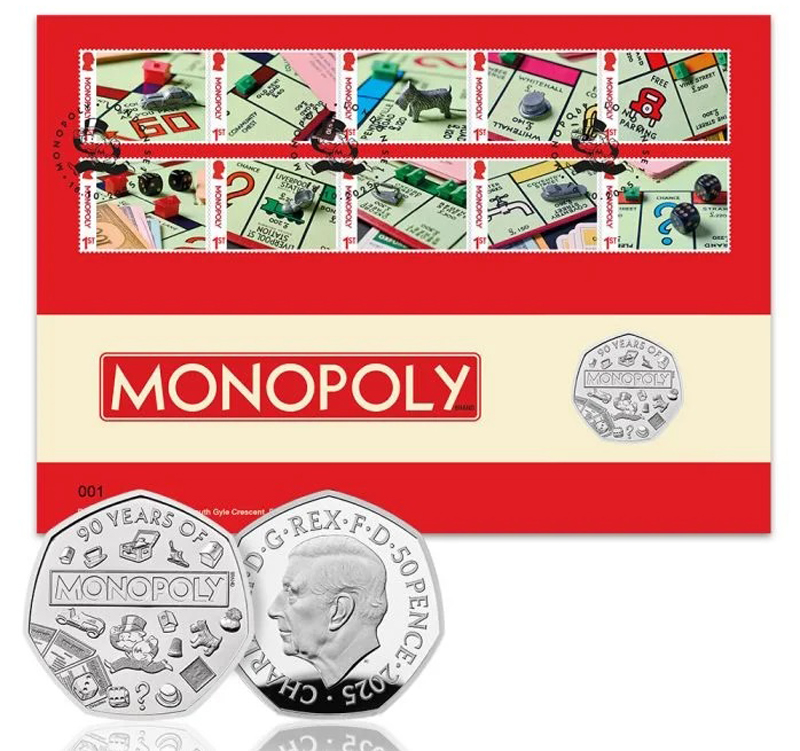
a presentation pack, and coin covers, either with an uncirculated coin as shown here

or with a gold coin for £1,595.00 (currently US$2,133.47). The limited edition postbox marker (shown above) is £39.99 (US$53.49).

Steam Locomotives (UK 2025)

[press release] [click on any of the pictures for larger versions]
Full Steam Ahead: Royal Mail Celebrates the Legacy of UK Steam Locomotion

  • Issue date: 25 September
  • As Britain marks 200 years of the modern railway, six stamps celebrate British steam locomotives and the development of UK railways
  • A further four stamps, presented in a miniature sheet, mark the 200th anniversary of the opening of the Stockton and Darlington Railway, in 1825
  • The stamps and a range of collectible products are available at www.royalmail.com/steamlocomotives and by telephone on 03457 641641

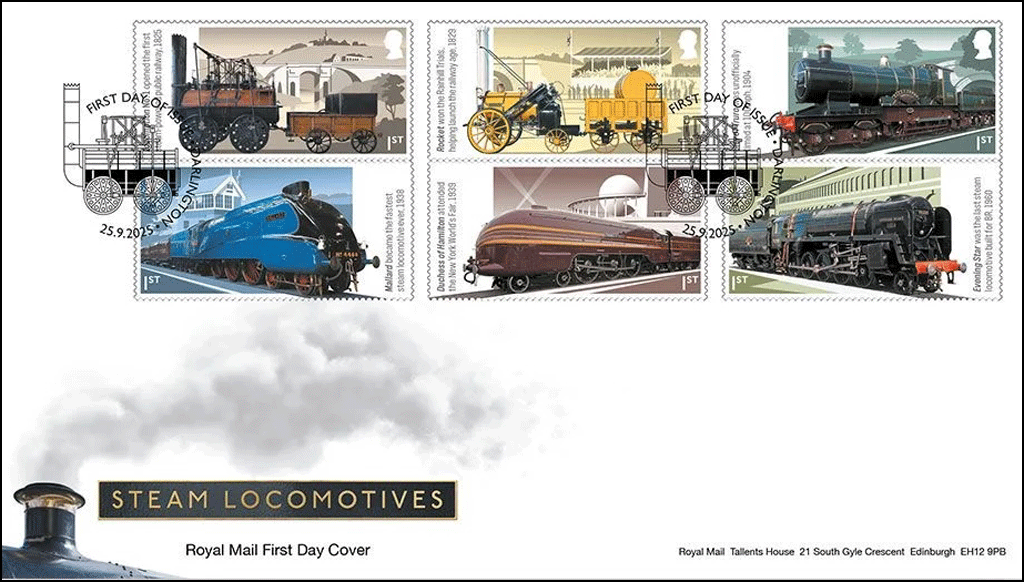
Royal Mail has released a striking new set of 10 stamps celebrating the rich heritage of British steam locomotives and the pioneering development of the UK’s railway network.
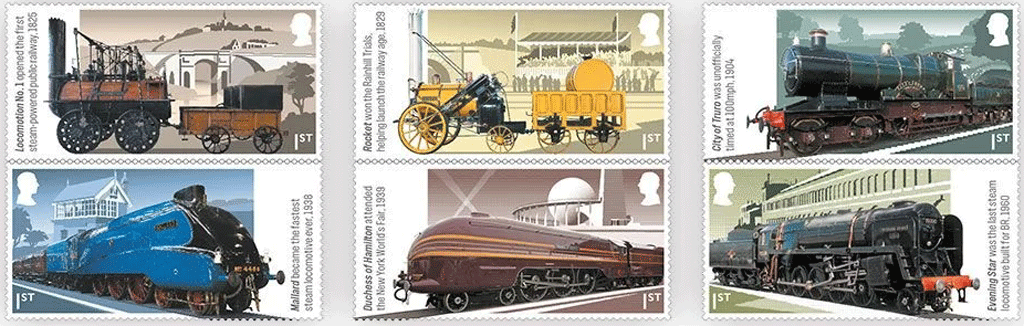
The main set features six iconic locomotives that helped to shape the history of rail travel in Britain:

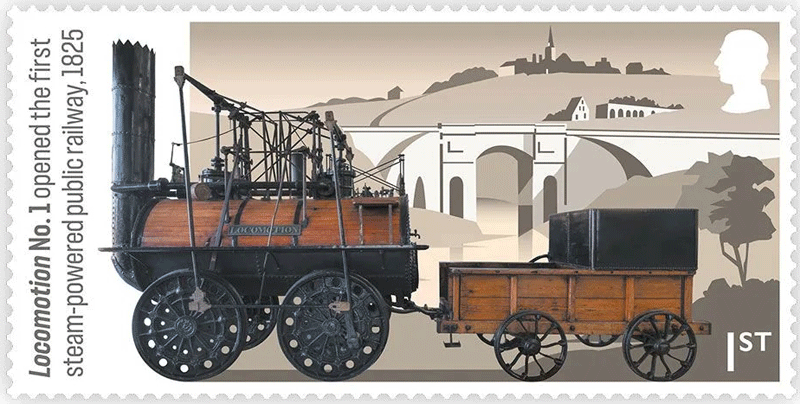
  • Locomotion No. 1
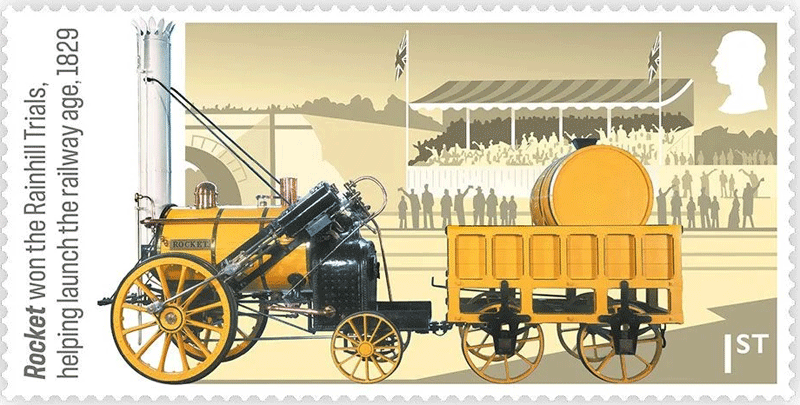
  • Rocket
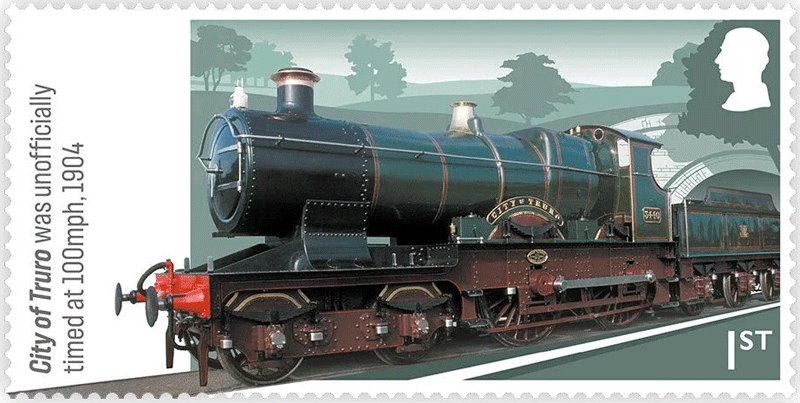
  • City of Truro
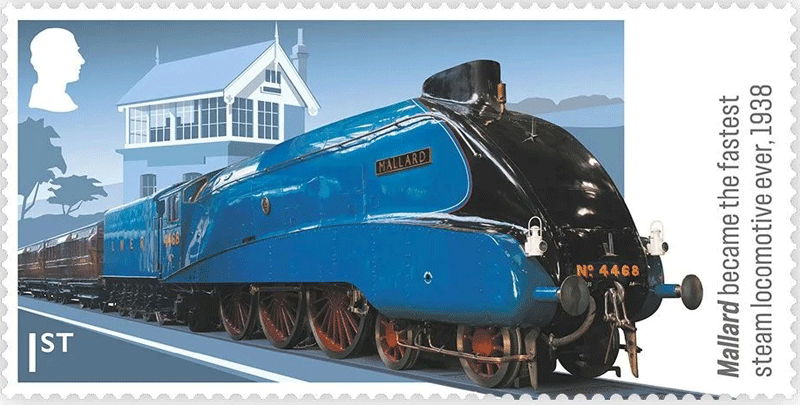
  • Mallard
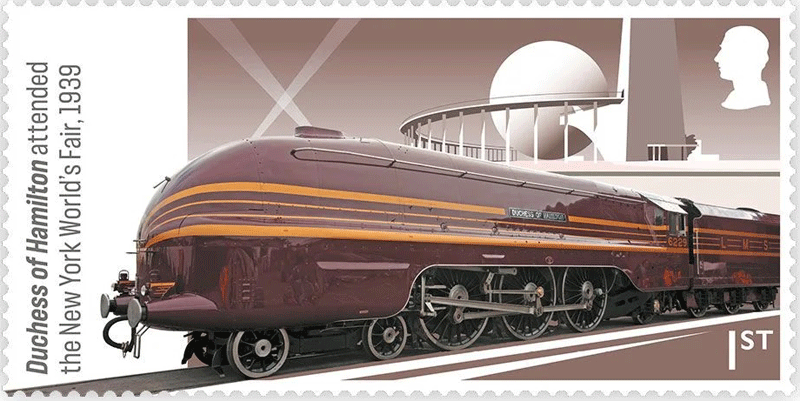
  • Duchess of Hamilton
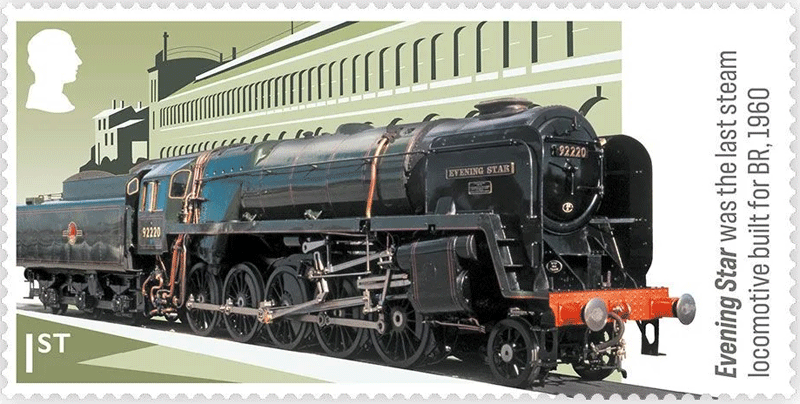
  • Evening Star

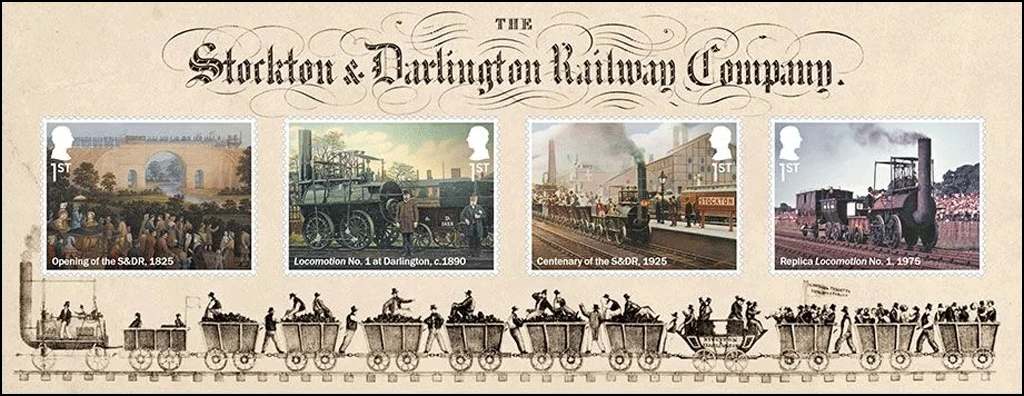
In addition, a miniature sheet containing four stamps, marks 200 years since the opening of the Stockton and Darlington Railway (S&DR).
The miniature sheet includes:

  • Artwork depicting the opening of the S&DR, in 1825
  • A historic image of Locomotion No. 1 at Darlington, circa 1890
  • A commemorative postcard from the S&DR centenary in 1925
  • A photograph of a replica Locomotion No. 1 from 1975

Royal Mail worked closely with the National Railway Museum and Darlington Council on the stamp issue.

Steam Locomotives:
The steam locomotive was the machine that enabled the Industrial Revolution to advance, moving goods and people around the United Kingdom as never before. Key to its development were Richard Trevithick and the father-and-son team of George and Robert Stephenson. Trevithick was the first to have a steam locomotive pull a train, while George Stephenson designed both locomotives and the routes on which they could run.

The main line of the S&DR, which opened in 1825 using the engine that came to be known as Locomotion, was powered by steam locomotives from the start. Four years later, Robert Stephenson created the prize-winning locomotive Rocket, which proved steam’s worth at the Rainhill Trials for the Liverpool and Manchester Railway. Steam locomotives became key to that enterprise’s financial success, prompting the rapid development of powered railways across the country.

With each passing decade, faster, heavier and more powerful locomotives were developed, including City of Truro, which was unofficially timed at 102mph (161km/h) in 1904 (the first official UK record, achieved in 1934, belongs to Flying Scotsman). This trend saw its culmination in very fast express passenger locomotives such as Mallard, as well as powerful heavy-freight engines in use on goods trains through to the 1960s, epitomised by British Railways’ last completed steam locomotive, Evening Star.

David Gold, Director of External Affairs and Policy, Royal Mail, said: “To coincide with the 200th anniversary of the modern railway, Royal Mail is releasing a set of stamps honouring Britain’s enduring legacy of steam locomotion. This stamp issue captures the spirit of an era that transformed travel and trade forever.”

Craig Bentley, Director, National Railway Museum, said: “We are delighted to have collaborated with Royal Mail to develop this special set of stamps with images of these iconic steam locomotives and to share with the nation in this celebration of railway history.

Mike Crawshaw, Head of Heritage and Culture, Darlington Borough Council, said: “We are truly honoured and thrilled with these commemorative stamps that celebrate the importance of the Stockton and Darlington Railway (S&DR). They beautifully capture the spirit and significance of the S&DR and Locomotion No.1, and we’re proud to see this moment celebrated in such a meaningful and lasting way.”

The stamps, and a range of collectible products, are available www.royalmail.com/steamlocomotives and by telephone on 03457 641 641. A Presentation Pack including all 10 stamps is priced at £17.90. The stamps went general sale from 25 September.

Monty Python (UK 2025)

[press release] [click on any of the pictures for larger versions]
And Now for Something Completely Different!
Set of 10 Stamps Celebrate Monty Python

  • Issue date: 14 August
  • Six stamps in the main set celebrate unforgettable characters from the iconic television series, Monty Python’s Flying Circus
  • A further four stamps, presented in a miniature sheet, celebrate the 50th anniversary of the cult film, Monty Python and the Holy Grail
  • The stamps and a range of collectible products are available to pre-order at www.royalmail.com/montypython and by telephone on 03457 641641

Royal Mail has announced that a set of 10 stamps will pay tribute to one of Britain’s most influential and enduring comedy troupes – Monty Python.

The main set of six stamps celebrates the unforgettable characters and sketches from Monty Python’s Flying Circus, the iconic British comedy series that redefined television humour. Each stamp features a vibrant montage of scenes and cut-out illustrations, perfectly capturing Monty Python’s unique blend of wit, satire and absurdity.

The stamps showcase legendary moments from the show, including the Spanish Inquisition, the Ministry of Silly Walks, the Lumberjack Song, the Dead Parrot Sketch, Nudge Nudge and Spam.

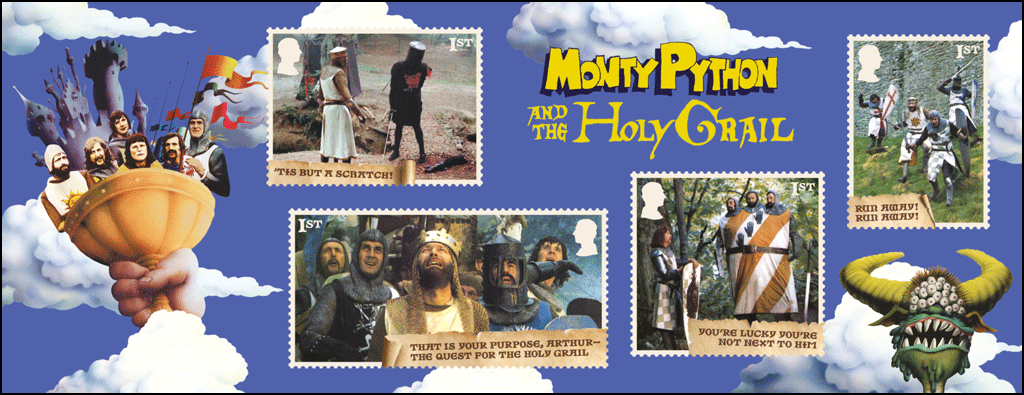
And in honour of 50 years of the cult 1975 film, Monty Python and the Holy Grail, a further four stamps, presented in a miniature sheet, celebrate the film that redefined spoof cinema and cemented the group’s international status.

Scenes featured are:

      • The Black Knight’s defiant “’Tis but a scratch!”
      • King Arthur and his knights receiving their divine quest
      • The panicked cry of “Run away! Run away!” from a failed charge
      • Sir Robin’s encounter with the Three-Headed Giant – “You’re lucky, you’re not next to him!”

    From iconic television sketches to blockbuster films, chart-topping albums, and sold-out live performances, the legendary group – Graham Chapman, John Cleese, Terry Gilliam, Eric Idle, Terry Jones, and Michael Palin – has been at the forefront of comedic innovation for nearly sixty years, captivating audiences across generations with their unique blend of wit, satire, and surreal humour.

    Sir Michael Palin said: “Very glad to share a stamp with the nude organist!”

    David Gold, Director of External Affairs and Policy, Royal Mail, said: “Monty Python has left an indelible mark on global comedy, all while remaining unmistakably British at its core. From their groundbreaking television debut to a string of iconic films, this stamp collection honours a body of work that has shaped the comedic landscape for nearly six decades.”

    The stamps, and a range of collectible products, are available to pre-order at www.royalmail.com/montypython and by telephone on 03457 641 641. A Presentation Pack including all 10 stamps is priced at £17.90. The stamps go on general sale from 14 August.


The set of stamps is £10.20 or about $13.70 USD. The souvenir sheet is £6.80 or USD$9.13. The additional products include the presentation pack, first day covers, medal covers (FDCs), postcards, framed stamps and a fan sheet.

The Magic Of Mushrooms (UK 2025)

[press release] [click on any of the pictures for larger versions]
The Magic Of Mushrooms

  • Issue date 3 July
  • A set of 10 new stamps celebrates the extraordinary diversity and ecological importance of mushrooms that can be found across the United Kingdom
  • Images reveal a hidden world of remarkable beauty, colour and shapes
  • The stamps and a range of collectible products may be ordered at www.royalmail.com/mushrooms and by telephone on 03457 641641

Royal Mail has revealed images of 10 stamps that showcase the extraordinary diversity and ecological importance of mushrooms that can be found across the United Kingdom.

Mushrooms featured in the issue are: Chicken of the Woods; Clustered Bonnet; Scarlet Waxcap; Morel; Scarlet Elf Cap; Penny Bun; Amethyst Deceiver; Collared Earthstar; Fly Agaric; and Turkey Tail.

Royal Mail worked with mycologist Geoffrey Kibby, one of Britain’s foremost experts on identifying mushrooms in the field. Kibby has written numerous books, which he also illustrates. He also produces field guides on the larger fungi of both Europe and North America.

Fungi occupy every possible ecological niche and are a vital part of the world’s ecosystems, with many species forming symbiotic partnerships with trees, shrubs and other plants.

Mushrooms come in an amazing diversity of shapes, colours and textures. From the bizarre earthstars, which open to reveal a ball-like structure full of spores, to the sponge-like and very edible morels, there are over 4,000 mushroom varieties in the UK.
These range from edibles, such as the penny bun, to the toxic fly agaric, with its distinctive, white-spotted red cap. The often-startling colours of fungi can be surprising, for example the intense violet of the amethyst deceiver, a common species in autumn woodlands everywhere. Not all mushrooms have a cap and a stem.

Many form simple cups, of which arguably the most beautiful is the scarlet elf cup, while others are tough and bracket-shaped, such as the colourful turkey tails or the often large and striking chicken of the woods.

A common species on oak logs is the clustered bonnet, known for its unusual but difficult-to-define smell resembling that of paint, flour or cucumber. In undisturbed old meadows, you can find the beautiful scarlet waxcap. one of several species used by ecologists and nature agencies as indicators of nationally important grasslands. The variety of fungi is extensive, and we are only now learning of their importance in our world’s ecology.

David Gold, Director of External Affairs and Policy, Royal Mail, said: “Few people will be familiar with the breadth, variety and beauty of the fungi that are of such biological importance to our natural environment. Mushrooms play an essential role in the delicate balance of life around us, yet largely go unnoticed. In these stamps their contribution to the natural environment is duly recognised.”

Mycologist, Geoffrey Kibby said: “Fungi are finally getting the attention that they deserve in literature, education and on TV, and now their amazing diversity and importance to our ecology is being celebrated in this excellent set of Royal Mail stamps. The species illustrated show the wide variety of fungi to be found in the British countryside, emphasising their importance as a vital part of the fascinating biodiversity to be found in our islands.”

The stamps, and a range of collectible products, are available at www.royalmail.com/mushrooms and by telephone on 03457 641 641. A Presentation Pack including all 10 stamps is priced at £13.75

Stamp-by-stamp:
CHICKEN OF THE WOODS Laetiporus sulphureus The common name of this popular edible mushroom relates to its texture and taste when cooked. The very large, flattened brackets, up to 50cm across, are found on standing or fallen trees, especially oaks, chestnuts and other deciduous species. The yellow to orange colours and fleshy texture make it difficult to mistake for any other mushroom. The underside of each bracket has thousands of minute pores from which the spores are ejected. This mushroom appears in the early summer and continues throughout the autumn.

CLUSTERED BONNET Mycena inclinata Wherever you find fallen oak logs, you may see the clustered bonnet, one the most common and widespread British species of Mycena. The reddish brown stems, paler at the top, pale grey-brown caps and rather strong odour – sometimes likened to wet paint, cucumber or flour – are good identification characteristics. Several other species of Mycena grow in clumps on logs, but this is perhaps one of the easiest to identify.

SCARLET WAXCAP Hygrocybe coccinea This is one of the most beautiful mushrooms. Its scarlet cap can be found in late autumn in open, undisturbed, unfertilised meadows. The lamellae, or gills, on the underside of the cap and the fragile, waxy stem are both reddish-orange, with the stem being almost white at the base, while the thin reddish flesh is nearly odourless. The caps can reach up to 4cm across. There are several other red species of waxcap, differing in subtleties of colour, texture, size and smell, all best identified using a good field guide.

MOREL Morchella vulgaris Morels are found from March to May and are considered to be prized edibles. There are several very similar species, of which this is one of the more common; its sponge-like head is where its spores are formed in special cells, from which they are ejected in huge numbers in a smoke-like puff. The greyish-brown head can be up to 8cm tall. When cut in half, the body is hollow. This mushroom is widespread in the UK and found in mixed woods on rich soils.

SCARLET ELF CUP Sarcoscypha austriaca Found in the late winter through spring, this beautiful species can reach 5–6cm across and often occurs in groups along fallen, mossy branches in wet or humid deciduous woodlands. It is widespread and locally frequent in some parts of the UK. The outer surface of the cup is whitish and finely woolly, formed of microscopic curly hairs. If disturbed by tapping, it often fires clouds of spores up from the inner cup surface. It has an almost identical twin, Sarcoscypha coccinea, differing in microscopic features.

PENNY BUN Boletus edulis Also known as cep, this is one of the most famous edible mushroom species in Europe, celebrated in numerous cuisines. A robust species, it has caps that can reach 25cm across, varying from yellowish brown to dark chestnut. The fleshy stems have a fine white mesh or network on the surface, while the spongy pores on the underside of the caps are white, then yellowish. The flesh is thick, white and unchanging when cut. This fairly common mushroom can be found in the autumn in mixed woods throughout the UK.

AMETHYST DECEIVER Laccaria amethystina Small troops of amethyst deceivers may appear almost as soon as the autumn rains begin. They push up through the fallen leaf litter in forests across the UK. The amethyst deceiver’s small size and striking colour when fresh of bright amethyst violet on all its parts help make it one of the easier mushrooms to identify. However, when this mushroom is old, the colour fades to a dull greyish lilac or even buff. Theviolet gills may be dusted with the white spores it produces.

COLLARED EARTHSTAR Geastrum michelianum This mushroom starts growing closed up, rather like an onion, but then the outer tissues split and fold back into star-like arms, lifting the central ball up from the ground. Inside the ball are spores that puff out when the ball is struck by rain drops or falling debris. Earthstars are fairly common in the autumn in mixed woodlands and hedgerows and can reach up to 12cm across. This mushroom is also commonly called Geastrum triplex, but that is now known to be a different species from Southeast Asia.

FLY AGARIC Amanita muscaria This is the classic toadstool illustrated in children’s books of fairy tales around the world, but many people do not realise that it is a real fungus. Widespread over the whole of the UK from around August to December, it is most commonly found in birch woods, although it will grow with other trees too. The white spots are the remains of a veil that once covered the entire fungus when young. The fly agaric is one of several poisonous species in the genus Amanita, some of which are deadly.

TURKEY TAIL Trametes versicolor Bracket fungi, or polypores, produce bracketshaped bodies and usually grow on tree trunks or branches. One of the most common of the smaller bracket fungi found in deciduous woodlands throughout the UK, turkey tail is remarkably variable in the colour of the concentric zones, with purples, browns, greens and even bluish shades all being common. The fruiting bodies are tough but flexible, and the pale cream undersides have thousands of minute pores from which the spores are ejected.

Chronicles of Narnia (UK 2025)

[press release] [click on any of the pictures for larger versions]
Children’s Classic, The Chronicles Of Narnia by C.S. Lewis, Celebrated With a Set of Special Stamps

  • Issue date: 22 May
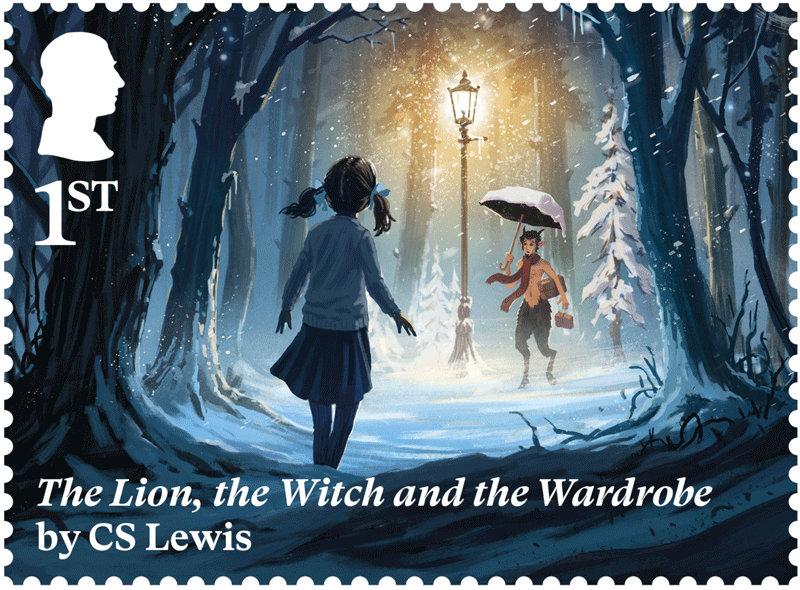
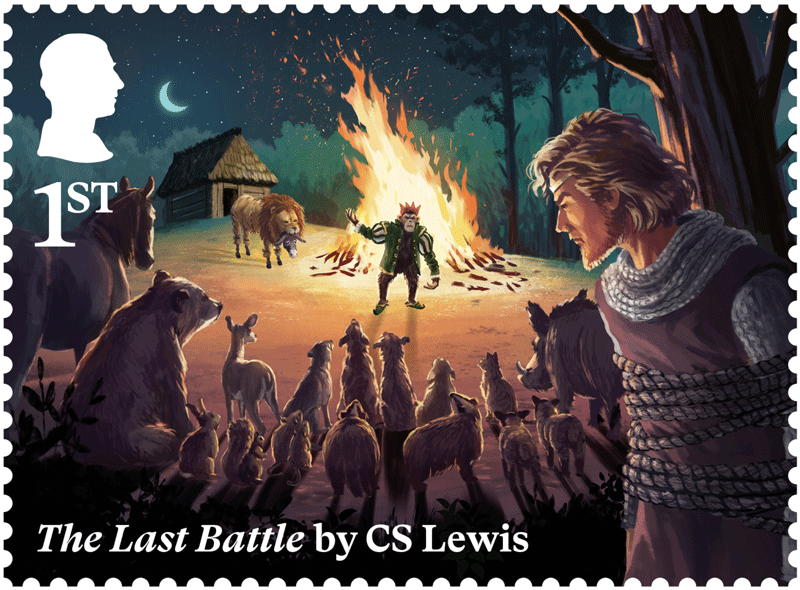
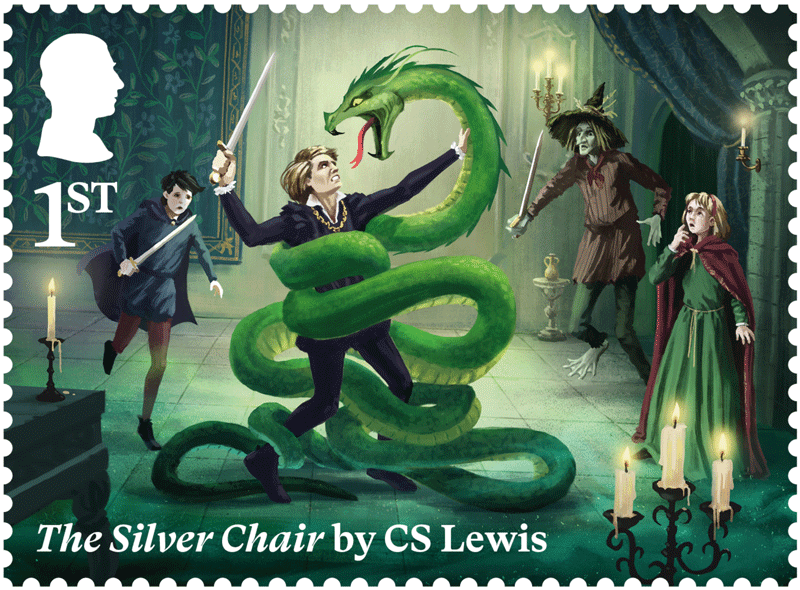
  • The main set of eight stamps features illustrations specially commissioned by Royal Mail and depict key scenes from all seven fantasy novels
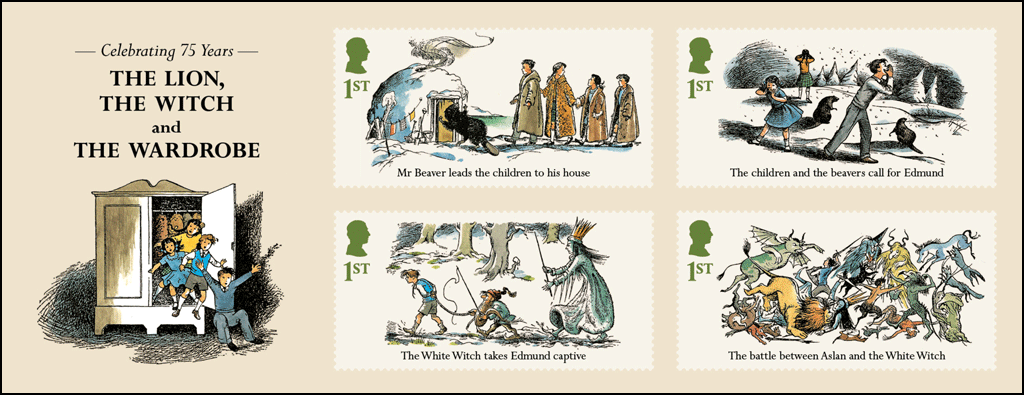
  • A further four stamps presented in a miniature sheet, show artwork by Pauline Baynes, illustrator of the original seven volumes of the series
  • The stamps and a range of collectible products are available at www.royalmail.com/narnia and by telephone on 03457 641641

Royal Mail has revealed images of 12 stamps being issued to mark The Chronicles of Narnia, the series of seven fantasy novels written by British author C.S. Lewis. This year also marks the 75th anniversary of the publication of the first book in the series, the timeless classic, The Lion, The Witch and The Wardrobe.

The Chronicles of Narnia is considered a classic of children’s literature and is Lewis’s best-selling work, having sold 120 million copies in 47 languages. The series has also been adapted for radio, television, the stage, film, and video games.

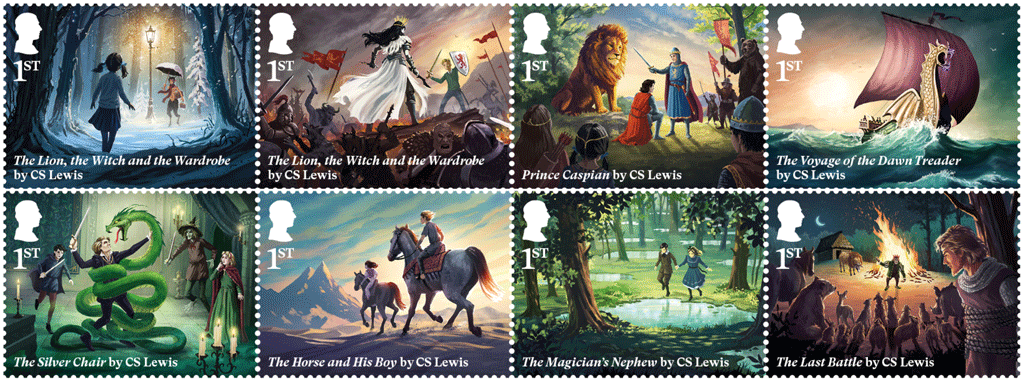
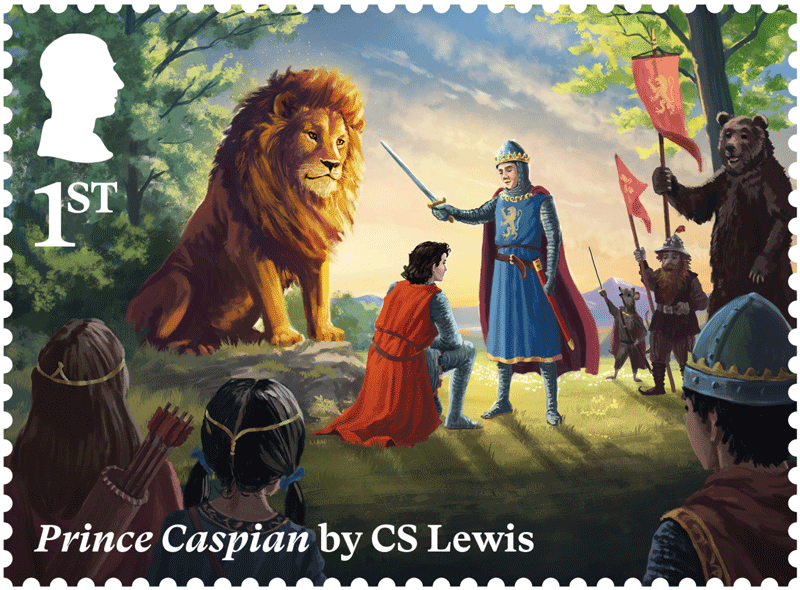
The main set of eight stamps features illustrations specially commissioned for Royal Mail by British illustrator, Keith Robinson. They depict key scenes from each of the novels. Robinson specialises in book covers and narrative illustration for children’s publishing. His art has appeared in picture books, young fiction, educational and non-fiction books. His paintings and drawings are often of fantasy, mythological, fairytale, horror and historical subjects.

A further four stamps presented in a miniature sheet, show artwork by Pauline Baynes, illustrator of the original seven volumes of the series.

The books are set in the fictional world of Narnia, a magical realm inhabited by talking animals, mythical creatures, and various fantastical beings. Books in the series, in order of publication, are: The Lion, the Witch and the Wardrobe (1950). Prince Caspian (1951), The Voyage of the Dawn Treader (1952), The Silver Chair (1953), The Horse and His Boy (1954), The Magician’s Nephew (1955) and The Last Battle (1956), Illustrated by Pauline Baynes (1922-2008). They remain among the most popular classics of children’s literature.

David Gold, Director of External Affairs and Policy, Royal Mail, said: “These delightful stamps capture the timeless magic of Narnia and honour the enduring legacy of the books. The Chronicles of Narnia remain a perennial favourite of children around the world, so it is fitting that we celebrate the stories with a new set of stamps featuring newly commissioned artwork alongside artwork that will bring back fond memories for many who grew up with these great books.”

A Presentation Pack including all 12 stamps is priced at £20.70. The stamps are on sale from 22 May.

80th Anniversary VE Day (UK 2025)

[press release] [click on any of the pictures for larger versions]
Valour and Victory: Stories of the Second World War:
Royal Mail Stamps Mark the 80th Anniversary of VE Day
  • Issue date: 1 May, 2025
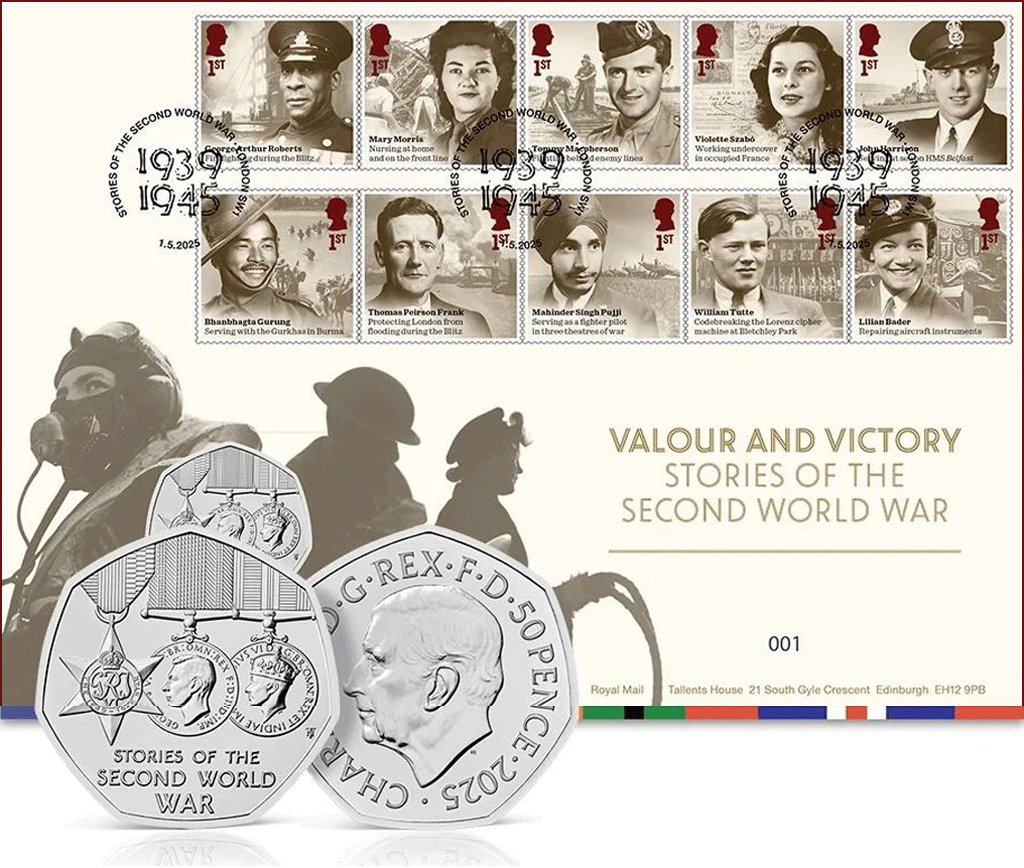
  • The main set of 10 stamps honour men and women who made extraordinary contributions during the Second World War
  • Also celebrated in a mini-sheet of stamps is national icon Dame Vera Lynn, shown in four images from different aspects of her wartime career
  • The stamps and a range of collectible products are available at www.royalmail.com/valour and by telephone on 03457 641641

Nations wage wars, but it is individuals who fight them. The 80th anniversary of the end of the Second World War is an opportunity to acknowledge just some of the remarkable men and women who made extraordinary contributions during the war. These incredible people were working for the war effort both at home and behind enemy lines, and volunteering from across the Commonwealth.

It was the courage and dedication of these individuals, and so many more, that led to the eventual victory in 1945. Royal Mail is issuing a set of stamps to honour the courage and dedication of individuals whose actions saved lives, changed history and shaped Britain’s war effort.

The Second World War is often called ‘the people’s war’ and the people depicted on the stamps represent some of the diverse individuals who made up ‘the people’ in wartime.
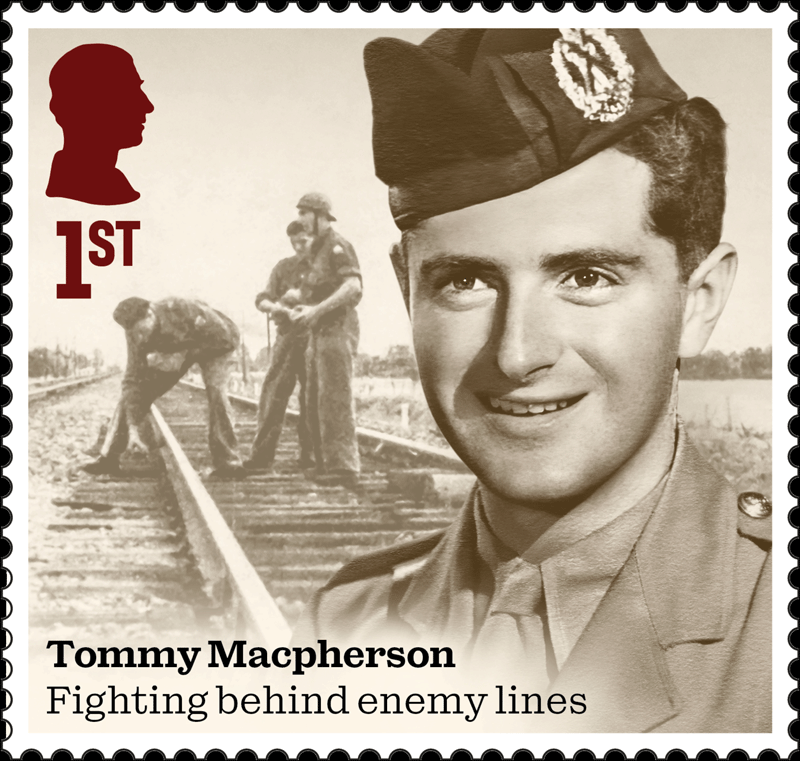
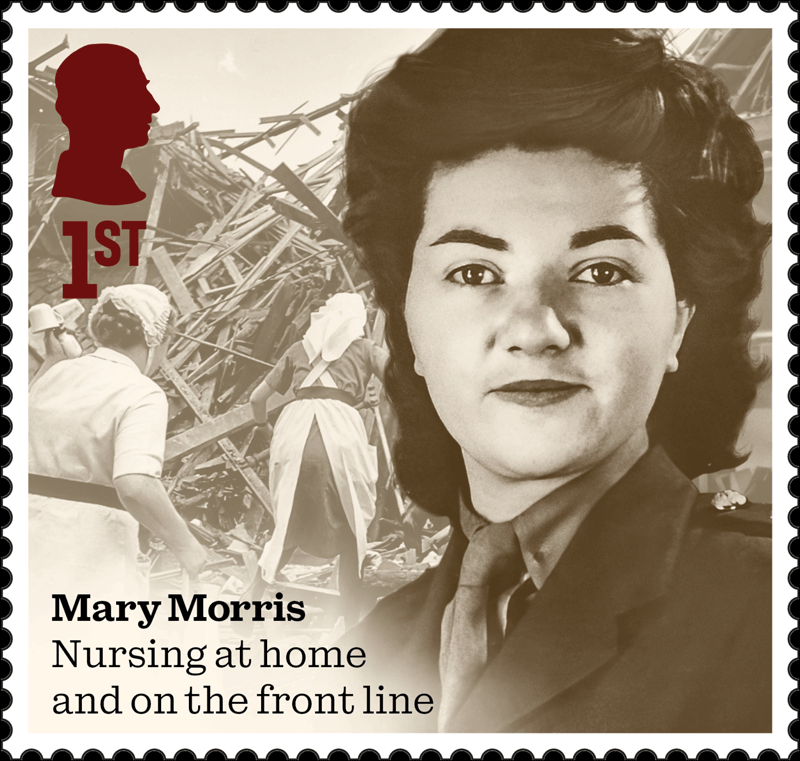
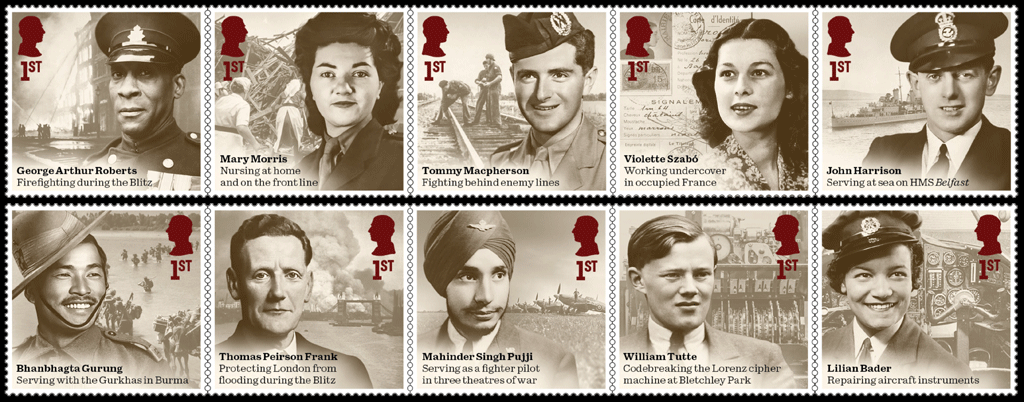
Each of the 10 stamps in the main set features an image of the person being honoured, capturing their wartime role – be it pilot, nurse, Commando, SOE operative, codebreaker, engineer or firefighter.

Shown on the stamps are:

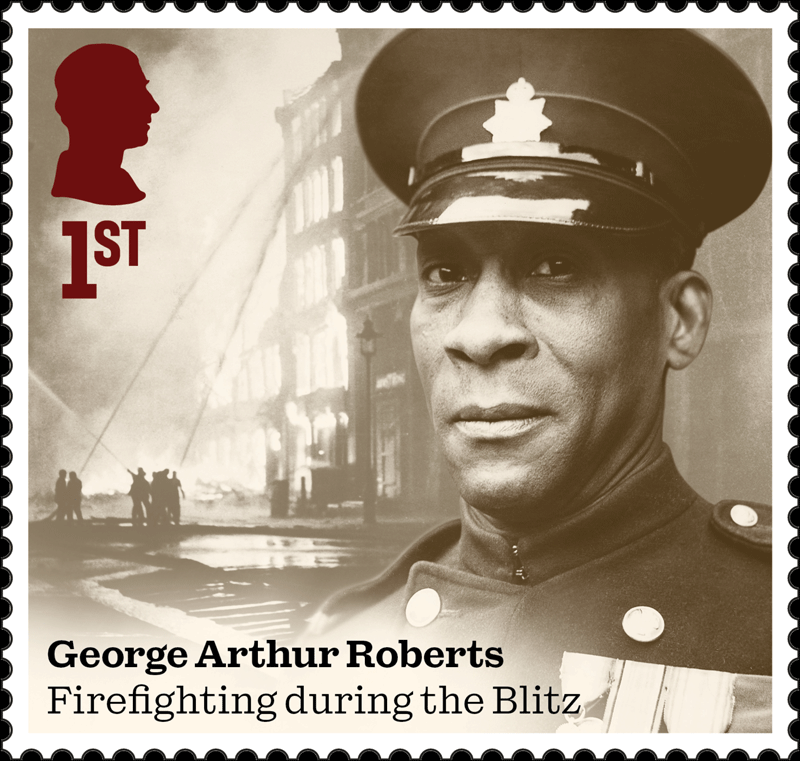
  • George Arthur Roberts – a military veteran, activist and the first Black man to join the London Auxiliary Fire Service, in 1938, serving bravely throughout the Blitz.
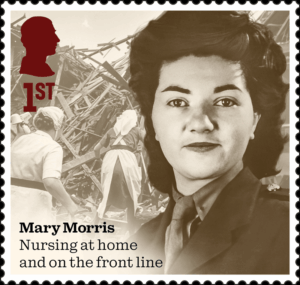
  • Mary Morris – her diaries describe how she nursed troops returning wet and wounded from Dunkirk and later travelled to Normandy to care for casualties after the D-Day landings.
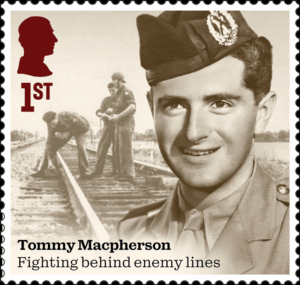
  • Tommy Macpherson – a Commando known for his audacious actions, including being dropped by submarine in North Africa, where he sabotaged enemy positions.
  • Violette Szabó – joined the Auxiliary Territorial Service before volunteering for the Special Operations Executive (SOE) and working undercover in occupied France.
  • John Harrison – served in the Royal Navy on the destroyer HMS Belfast and was responsible for maintaining ‘A’ and ‘B’ gun turrets at the front of the ship.
  • Bhanbhagta Gurung – fought in Operation Longcloth in Burma, now Myanmar, and was awarded the Victoria Cross for his bravery under heavy fire.
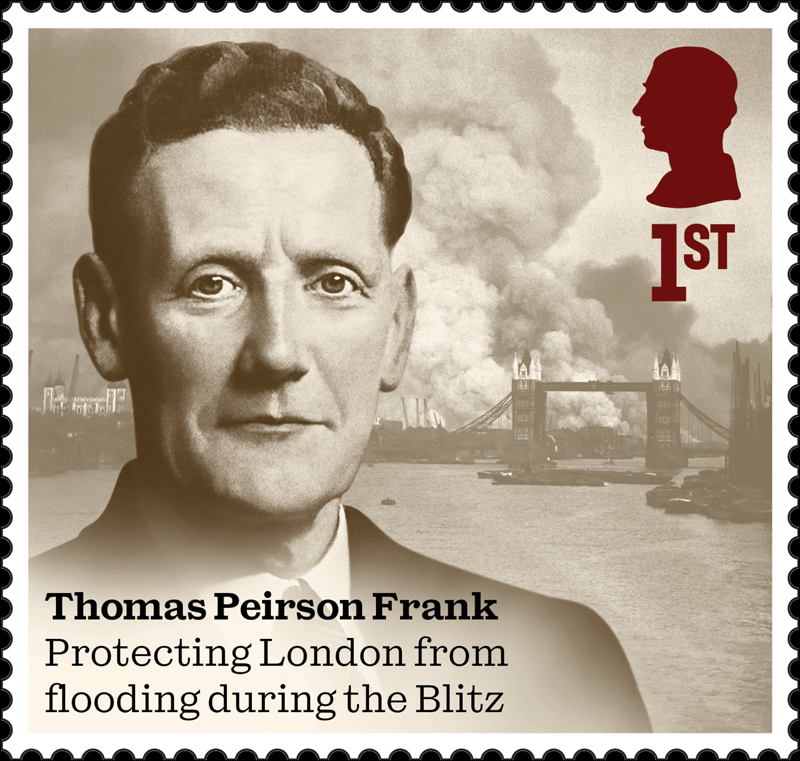
  • Thomas Peirson Frank – a civil engineer and surveyor whose rapid-response teams repaired over 100 breaches of the Thames wall during air raids, saving many lives.

  • Mahinder Singh Pujji – a pilot and Squadron Leader with the Royal Air Force (RAF) and Indian Air Force, awarded the Distinguished Flying Cross for his outstanding courage and leadership over Japanese-occupied territory.
  • William Tutte – a brilliant mathematician and codebreaker, William (‘Bill’) Tutte’s work was key to decrypting the Lorenz cipher, the German code used for top-level communication and intelligence.
  • Lilian Bader – after being forced to leave the Navy, Army and Air Force Institutes (NAAFI) canteen because of her ethnicity, Bader volunteered to join the Women’s Auxiliary Air Force (WAAF) in 1944, and went on to train as an Instrument Repairer, becoming one of the first members of the WAAF to qualify in this role.

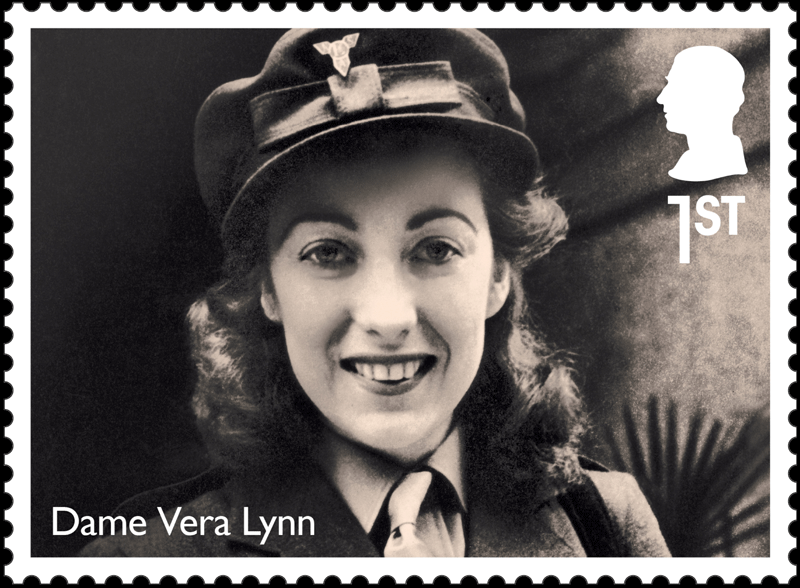
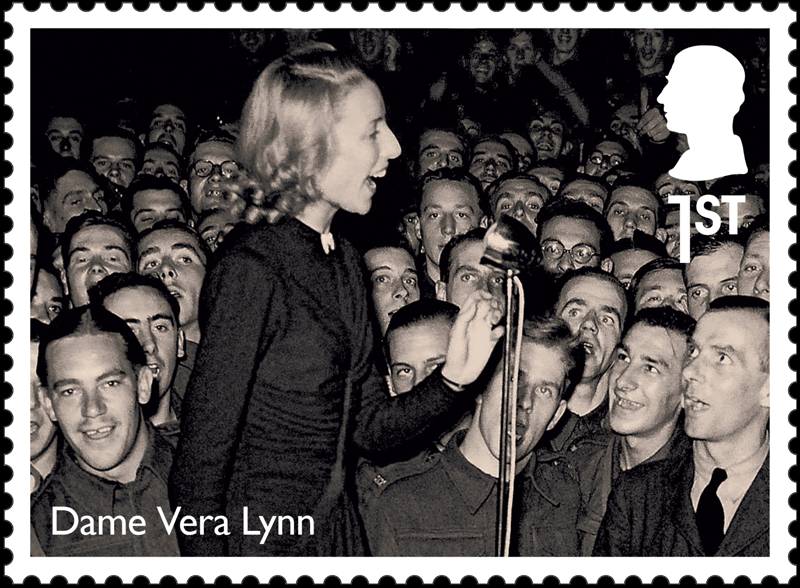
A further four stamps, presented in a miniature sheet, pay tribute to the late Dame Vera Lynn, her tireless efforts to support the troops and her advocacy for military veterans.
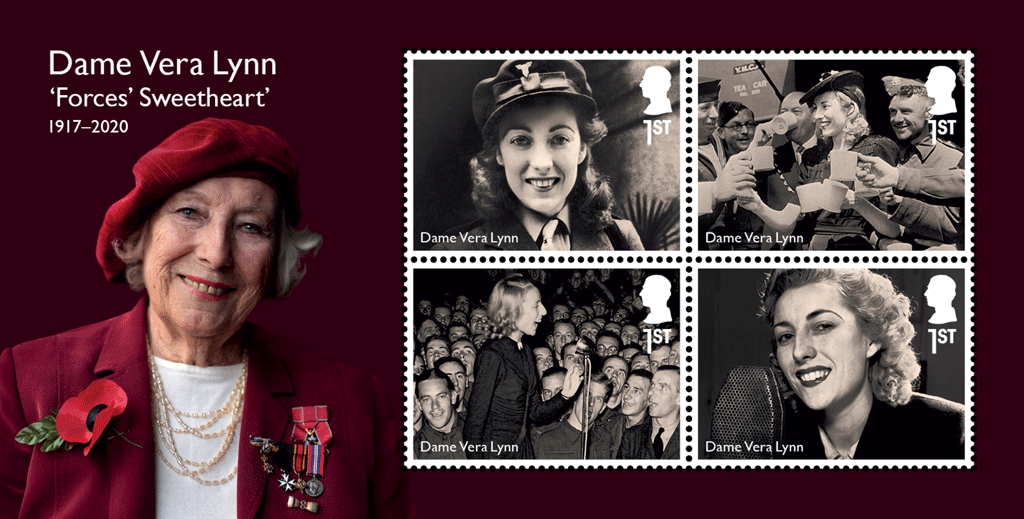
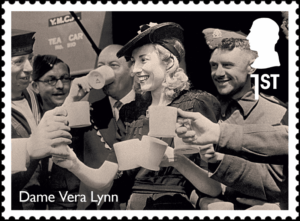
The stamps capture Dame Vera Lynn in different aspects of her wartime career, including her Entertainments National Service Association (ENSA) performances, BBC wartime radio programme, and morale-boosting visits to British troops and civilians during the conflict.

Royal Mail worked with historian Professor Lucy Noakes on the stamp issue. Since 2017, she has been Rab Butler Professor of Modern History at the University of Essex and has served as the President of the Royal Historical Society since 2024.

To mark the launch of the stamps, they will be unveiled today (24 April) to an audience of family members of all the individuals who featured on the stamps, and other guests, at an event held at the Imperial War Museum North.
Royal Mail will be applying a special VE80 postmark on stamped mail in the week of the actual anniversary that takes place on Thursday 8 May. The business is also supporting VE Mail, a letter-writing initiative connecting schoolchildren with Second World War veterans. Marking the 80th anniversary of VE Day, Together Coalition – an organisation aiming to build kinder, closer and more connected communities – has arranged for youngsters to receive personal letters from veterans who share their personal experiences of the war and their reflections on victory. The students then write returning letters expressing theirthoughts and gratitude of the sacrifices made 80 years ago. It’s a unique opportunity to connect generations and encourage children to engage with the past.

Emma Gilthorpe, CEO, Royal Mail said: “Behind every victory of a nation, there are countless unsung heroes whose courage and sacrifice shaped the future of the world. On VE Day, we remember not only the leaders and generals, but the silent warriors whose contributions echo through history. For the 80th anniversary of VE Day, Royal Mail is proud to issue these stamps honouring the courage, sacrifice, and resilience of those who fought for freedom and peace.”

The stamps, and a range of collectible products, are available at www.royalmail.com/valour and by telephone on 03457 641 641. A Presentation Pack including all 14 stamps is priced at £24.70. The stamps go on general sale from 1 May.

Stamp-by-Stamp

George Arthur Roberts, BEM, MSM (1891–1970)
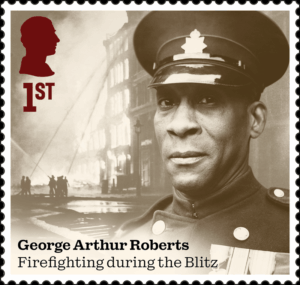
George Arthur Roberts was a military veteran, activist, and firefighter during the London Blitz. Born in Trinidad, Roberts had travelled to Britain and joined the British Army, fighting on the Western Front during the First World War. Settling in South London, he was a founding member of both the British Legion and the League of Coloured Peoples.
Too old for combat in the Second World War, he was the first Black man to join the London Auxiliary Fire Service, in 1938, serving bravely throughout the Blitz. Roberts was awarded the British Empire Medal (BEM) for bravery and for his work setting up and leading discussion and education groups in the Fire Service.

Mary Morris (1921–1997)
Mary Morris nursed on the home front and in mainland Europe after D-Day in 1944. Born in County Galway, Ireland, she moved to London in 1939 to train at Guy’s Hospital. Morris’s diaries describe how she nursed troops returning wet and wounded from Dunkirk, badly burnt pilots (both British and German) of the Battle of Britain, and victims of the London Blitz. Joining the nursing branch of the British Army, she travelled to Normandy in 1944, caring for casualties of the landings and describing her ward as a “multi-national microcosm of a Europe at war.” Her diaries were published in 2014.

Tommy Macpherson CBE, MC, TD, DL, CROIX DE GUERRE, LÉGION D’HONNEUR (1920–2014)
Colonel Sir Ronald Thomas (‘Tommy’) Stewart Macpherson was a Commando known for his audacious actions. These included being dropped by submarine in North Africa, where he sabotaged enemy positions before being caught. After several escape attempts from Italian camps, Macpherson was imprisoned in Austria, Germany and Poland. Escaping to Britain, he was parachuted into central France in 1944 to join with the Resistance as part of Operation Jedburgh.

Destroying bridges, railways, and roads vital to the German occupation, Macpherson eventually accepted the surrender of thousands of Axis troops. At one point, 300,000 francs (more than one million pounds in today’s money) was offered for his capture. He was later sent behind enemy lines in Italy and was on standby to fly to Japan when the end of the war came.

Violette Szabó GC, CROIX DE GUERRE WITH STAR, MÉDAILLE DE LA RÉSISTANCE (1921–1945)
Born in Paris to British–French parents, Szabó grew up in both Picardy, France, and London. She joined the Auxiliary Territorial Service before volunteering for the Special Operations Executive (SOE) in 1942. Szabó undertook two missions to France for the SOE and was captured after a fierce gun battle in 1944. After interrogation in Paris, Szabó was transferred to Ravensbrück Concentration Camp, where she was executed alongside her comrades Denise Bloch and Lilian Rolfe in February 1945. She was 23 years old and left behind a young daughter. Szabó was posthumously awarded the George Cross, the Croix de Guerre with Star, and the Médaille de la Résistance.

John Harrison (1914–2020)
John Harrison served in the Royal Navy on the destroyer HMS Belfast as an Ordnance Officer responsible for maintaining ‘A’ and ‘B’ gun turrets at the front of the ship. Conditions at sea were often hard, and he was saved from being washed overboard in the Arctic Ocean only when his hand froze onto the metal handle of the turret door. When HMS Belfast was badly damaged by a magnetic mine in November 1939, John Harrison suffered two broken vertebrae in the explosion. The ship was out of action for three years, but he transferred to HMS Atherstonebefore undertaking shore duties.

Bhanbhagta Gurung (1921–2008)
Havildar (Sergeant) Bhanbhagta Gurung was awarded the Victoria Cross while serving as a Rifleman in the 2nd Gurkha Rifles in Burma, now Myanmar, in 1945. Born in the Gorkha District of Nepal, Bhanbhagta Gurung joined the Gurkha Rifles in 1940.

He fought in Operation Longcloth, the first Chindit mission in Burma in 1943, and was awarded the Victoria Cross for his bravery under heavy fire during attempts to clear Japanese soldiers from their position on high ground near Tamandu, Burma, in March 1945.

After the war, he returned to Nepal to care for his family. In 2000, the Gurkha training block at Catterick Camp in Yorkshire was named after him.

Thomas Peirson Frank (1881–1951)
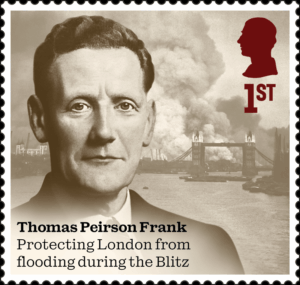
Sir Thomas Peirson Frank was a civil engineer and surveyor, serving as London County Council Coordinating Officer for Road Repairs and Public Utility Services from 1939 to 1945, and was known as ‘the man who saved London from drowning’.

As war approached, Peirson Frank worked in secret to identify the most vulnerable areas of the city, establishing flood defences and the rapid-response Thames Flood Prevention Emergency Repairs Unit. During the Blitz, flooding was a risk to low-lying areas of London – including the Underground, where so many sought shelter from the bombs. Peirson Frank’s rapid-response teams repaired over 100 breaches of the Thames wall during air raids and saved many lives.

Mahinder Singh Pujji, DFC (1918–2010)
Born in Simla (present-day Shimla, India), Singh Pujji was a pilot and Squadron Leader with the Royal Air Force (RAF) and Indian Air Force, who fought in Europe, the Middle East and Southeast Asia. Training as a pilot in the 1930s, he volunteered for service with the RAF, arriving in Britain in 1940. Flying both Hurricanes and Spitfires, Singh Pujji was involved in many dogfights with Luftwaffe pilots and was forced down twice. In 1945, Singh Pujji was awarded the Distinguished Flying Cross for his outstanding courage and leadership over Japanese-occupied territory. He eventually settled in London and worked as an air-traffic controller at Heathrow Airport.

William Tutte, OC, FRS, FRSC (1917–2002)
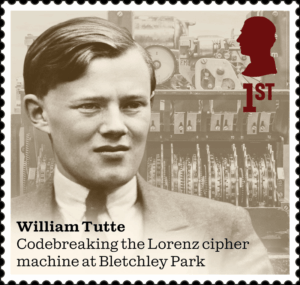
A brilliant mathematician and codebreaker, William (‘Bill’) Tutte’s work was key to decrypting the Lorenz cipher, the German code used for top-level communication and intelligence. The son of a housekeeper and a gardener from Newmarket, Tutte won a scholarship to the University of Cambridge before joining the Research Section at Bletchley Park, the centre of British codebreaking.

Tutte’s groundbreaking work on the structure of the Lorenz machine enabled the team at Bletchley Park to crack the Lorenz cipher, a system even more complex than Enigma, providing information vital for D-Day planning and invasion. After the war, Tutte emigrated to Canada, becoming a Professor at the University of Waterloo.

Lilian Bader (1918–2015)

Leading Aircraftwoman Lilian Bader was born in Liverpool and raised in a Middlesbrough convent after being orphaned at the age of nine. When war broke out, she worked at a Navy, Army and Air Force Institutes (NAAFI) canteen but was forced to leave because of her ethnicity. Undaunted, she volunteered to join the Women’s Auxiliary Air Force (WAAF) in 1944, and went on to train as an Instrument Repairer, passing her course ‘First Class’ and becoming one of the first members of the WAAF to qualify in this role.

She excelled at her job and was soon promoted to Acting Corporal. Bader went on to take a degree at London University and became a teacher.

Philatelic products:These include the limited-edition uncirculated coin cover shown above (£19.99); a silver proof coin cover (£75.00), a gold proof coin cover (£1,475.00), a prestige booklet (£28.65), a collectors sheet (£18.20), a gold stamp set (£149.99), and EuroPhilEx Limited Editions of the full set of stamps (£18.20) and the miniature sheet (£6.80).

Myths and Legends (UK 2025)

[press release] [click on any of the pictures for larger versions]
Royal Mail Celebrates Myths and Legends with a Set of Special Stamps

  • Issue date: 27 March
  • The eight-stamp set explores the mythical creatures and legendary figures of UK folklore
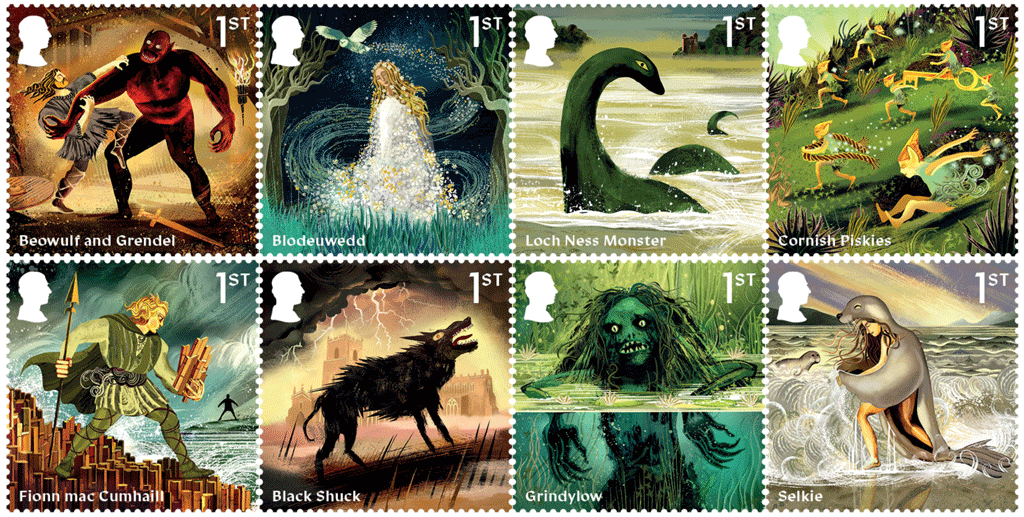
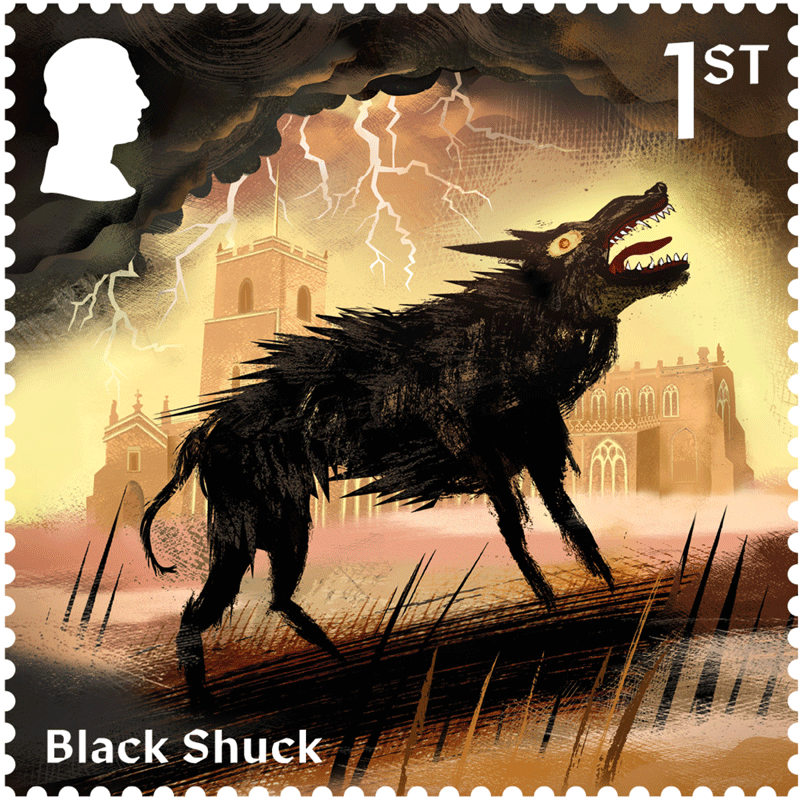
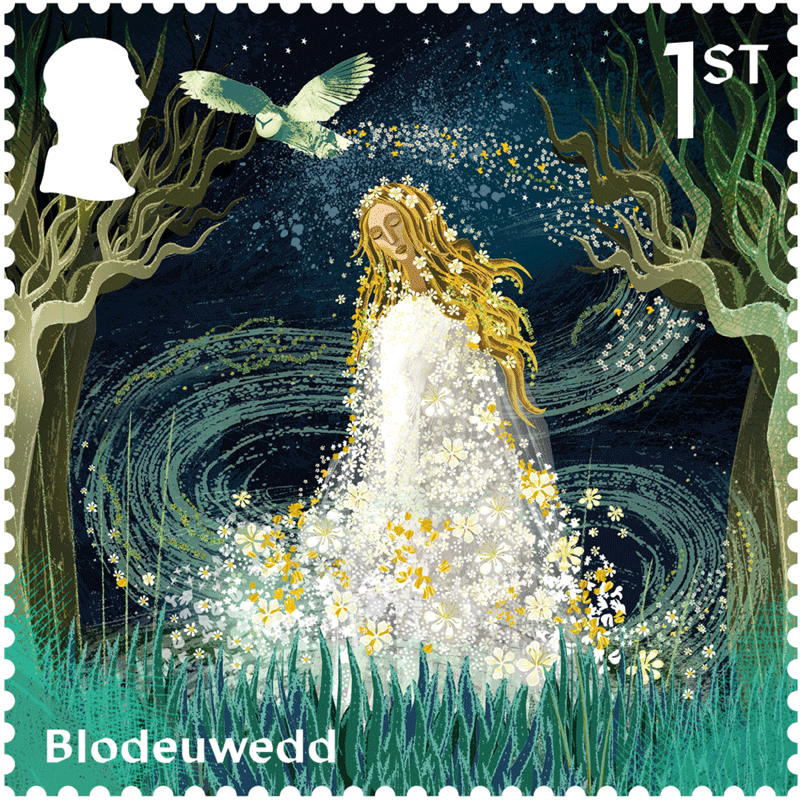
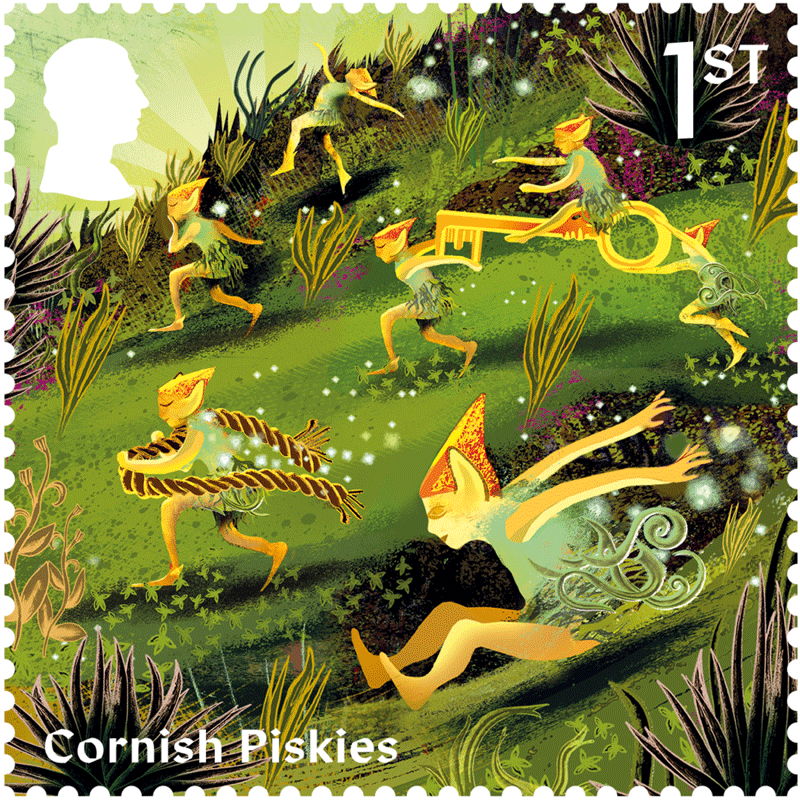
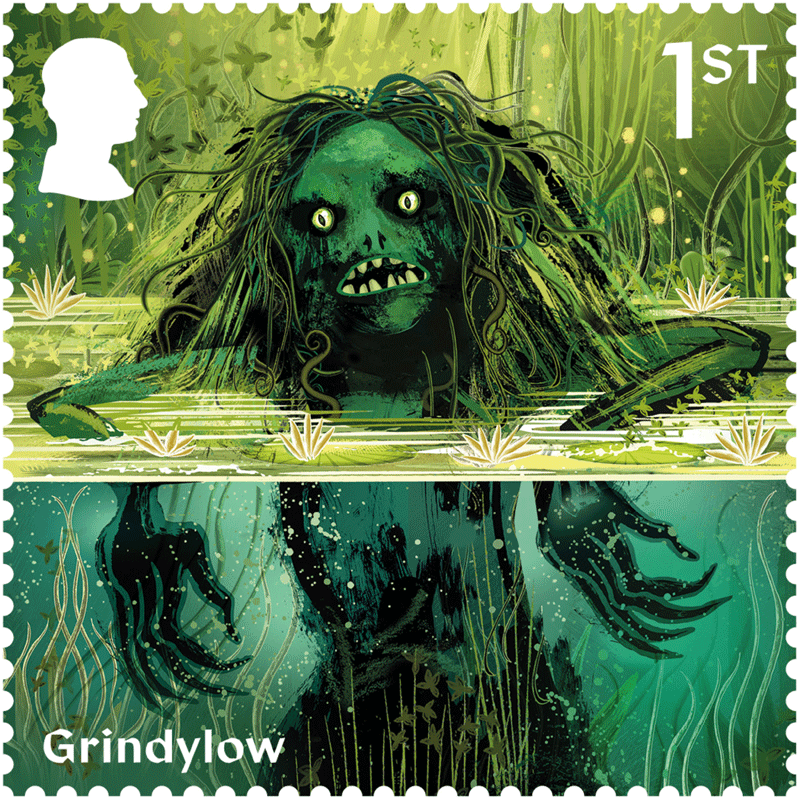
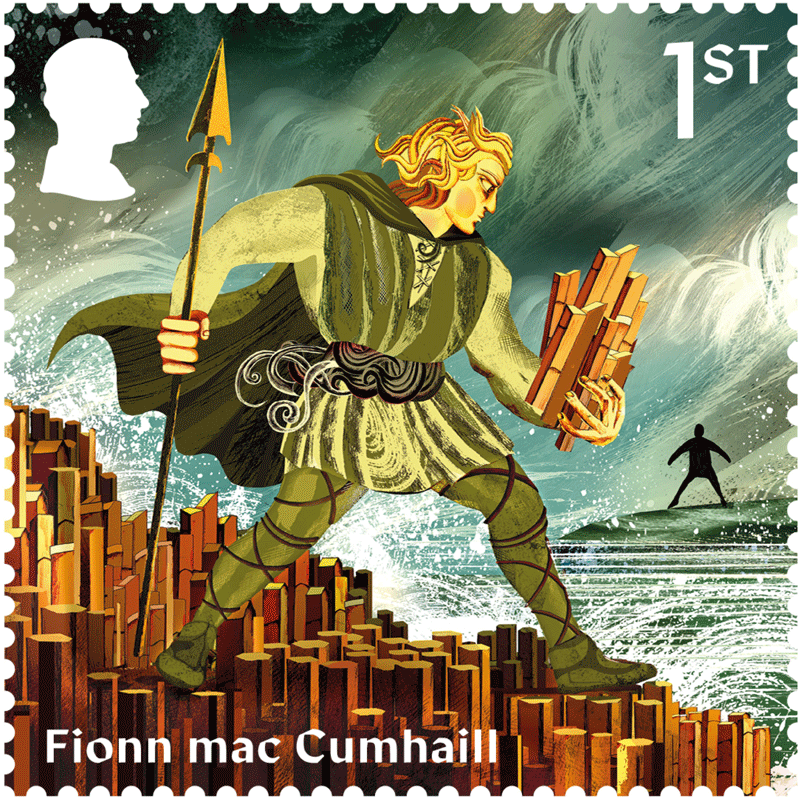
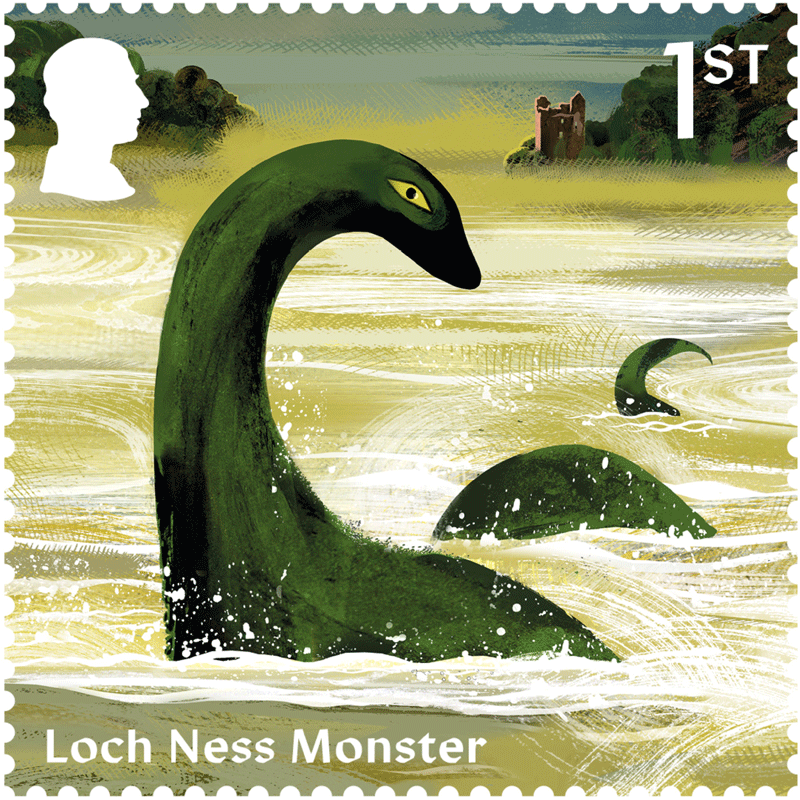
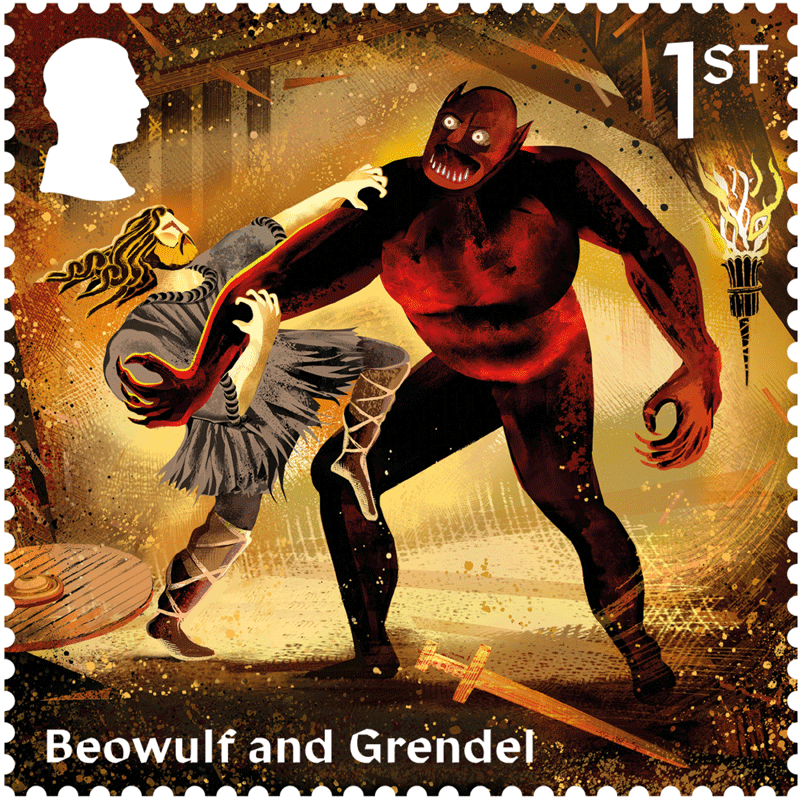
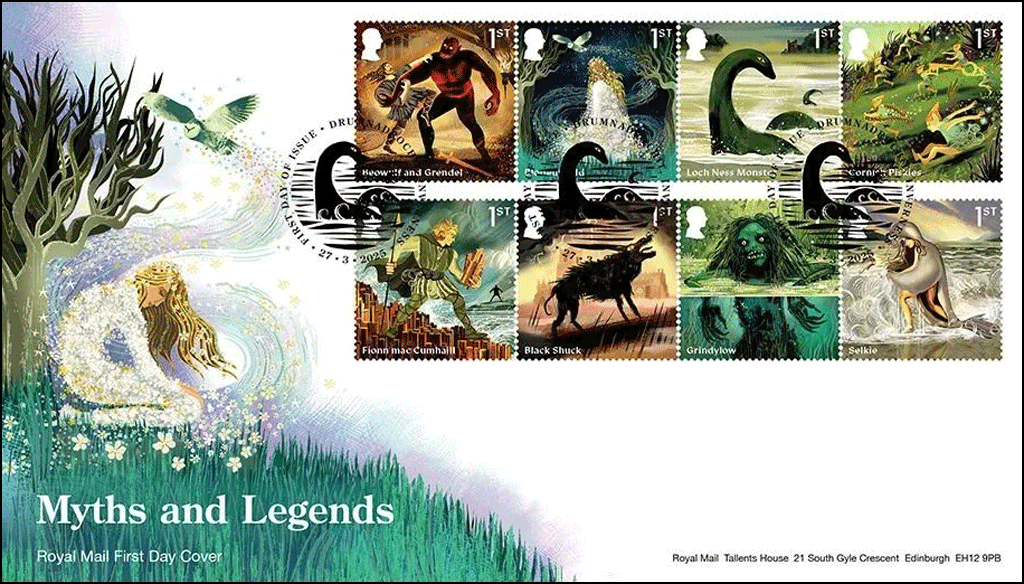
  • The images feature: Beowulf and Grendel, Blodeuwedd, the Loch Ness Monster, Cornish piskies, Fionn mac Cumhaill, Black Shuck, a grindylow and a selkie
  • The stamps and a range of collectible products are available to pre-order now at www.royalmail.com/myths and by telephone on 03457 641641

Royal Mail has revealed images of eight striking illustrations capturing the spirit of well-known mythical creatures and legendary figures of folklore.

The images feature: Beowulf and Grendel, Blodeuwedd, the Loch Ness Monster, Cornish piskies, Fionn mac Cumhaill, Black Shuck, a grindylow and a selkie.

The stamps were illustrated by London-based artist Adam Simpson. Simpson’s work has been shortlisted for a British Design Award and he was included in the Art Directors Club Young Guns awards.

David Gold, Director of External Affairs and Policy, Royal Mail, said: “For some parts of the UK, local myths and legends are as much a part of their identity as the local landmarks and architecture. These beautifully illustrated stamps celebrate a fascinating aspect of British culture and custom.”

Myths and Legends of the UK:
The landscape of the United Kingdom resounds with folktales, myths and legends. Each region has its own unique stories, creating a tapestry of tales passed down over centuries that offers fascinating insights into the shared cultural imagination.

The Old English poem Beowulf recounts how the eponymous hero defended the Danish King Hrothgar’s mead hall, vanquishing the monstrous Grendel.
Across the sea, Northern Ireland’s heroic tale of Fionn mac Cumhaill explains how he built the Giant’s Causeway, outwitting a Scottish giant with strength and cunning.

Myths such as the Welsh story of Blodeuwedd, conjured from flowers and destined to wed an unwanted suitor, illustrate the complexities of human emotions and behaviour, including love and betrayal. In Orkney and Shetland, selkies shed their seal skins to take human form. Exploring loss and longing, these folktales often recount how selkies eventually leave their human mates, succumbing to their yearning for the sea.

Some stories tackle human foibles, such as temptation and forgetfulness. The piskies of Cornwall are blamed for stealing household items and leading travellers astray with their pisky lights.

Cautionary tales often warn of grave dangers. Grindylows are sprites with long arms who lurk in the rivers and ponds of Lancashire and Yorkshire, waiting to drag curious children to their deaths. Black Shuck, a spectral hound with fiery eyes, stalks the countryside of East Anglia, foretelling death and destruction. One of the most famous legendary creatures in the world, the Scottish Loch Ness Monster taps into the primal fear of the unknown. This long-necked, humped beast snakes through the depths, a remnant of our ancient past that still waits for us in the deep.

Exploring the mythical creatures and legendary figures of folklore entails uncovering not only intriguing stories but also the deeper meanings and values they convey. These tales continue to captivate and inspire, offering a fascinating window into the collective psyche of the United Kingdom.

The stamps, and a range of collectible products, are available to pre-order at www.royalmail.com/myths and by telephone on 03457 641 641. A Presentation Pack including all eight stamps is priced at £14.10. The stamps go on general sale from 27 March.

From VSC: Products include

  • Medal Cover £19.99
  • Framed Stamps £39.99
  • First day covers, with Tallent House or Drumnadrochit, Inverness postmarks £16.50
  • Postcards £3.60

Garden Wildlife (UK 2025)

[press release] [click on any of the pictures for larger versions]
Royal Mail Special Stamps Celebrate the Incredible Array of Wildlife That Inhabits Gardens Across The UK

  • Issue date: 11 March
  • The 10-stamp set shows striking images of wildlife that inhabits gardens of the UK
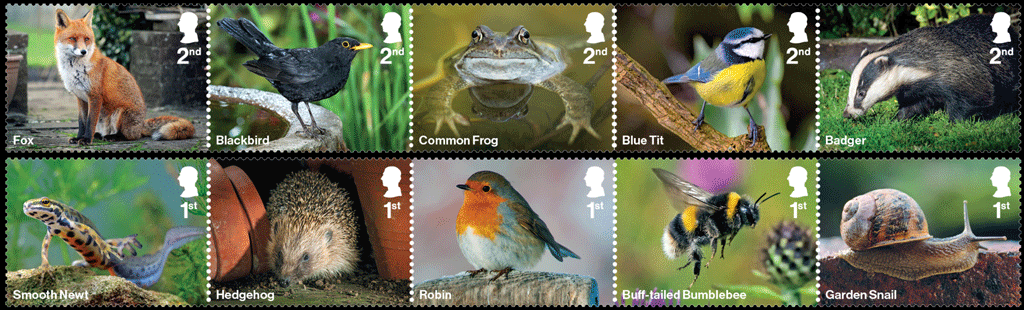
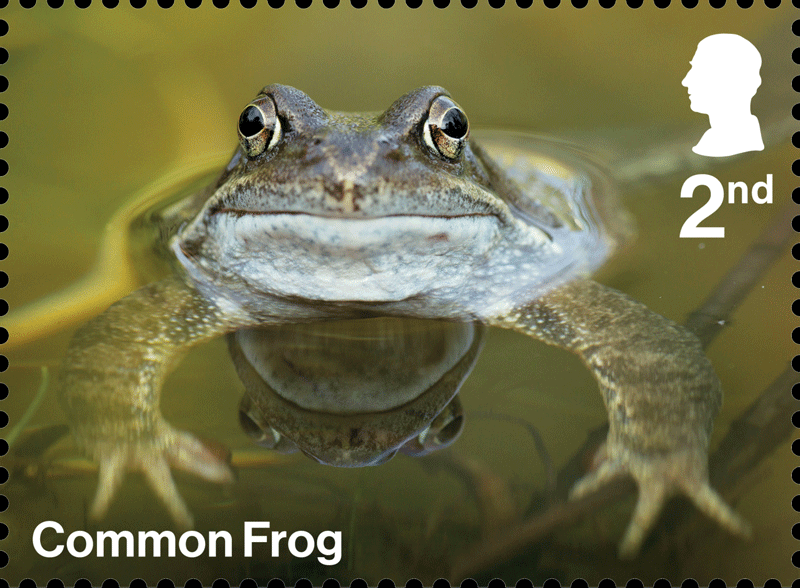
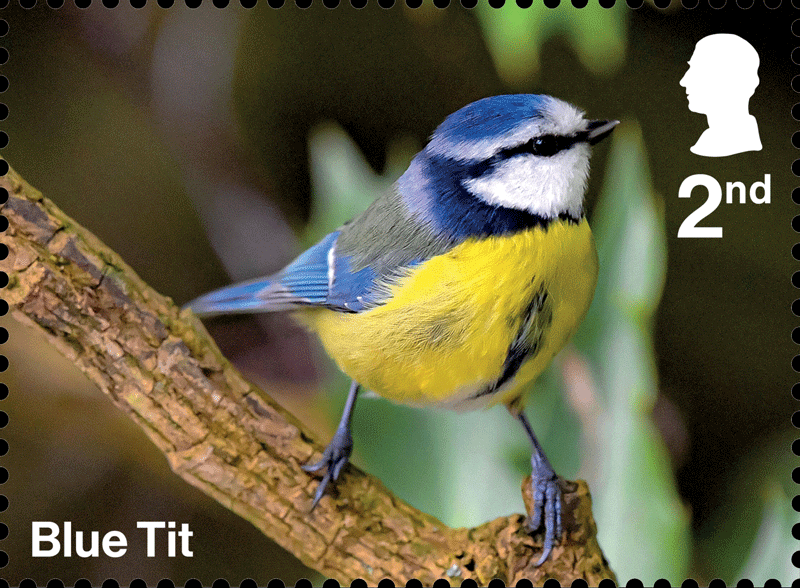
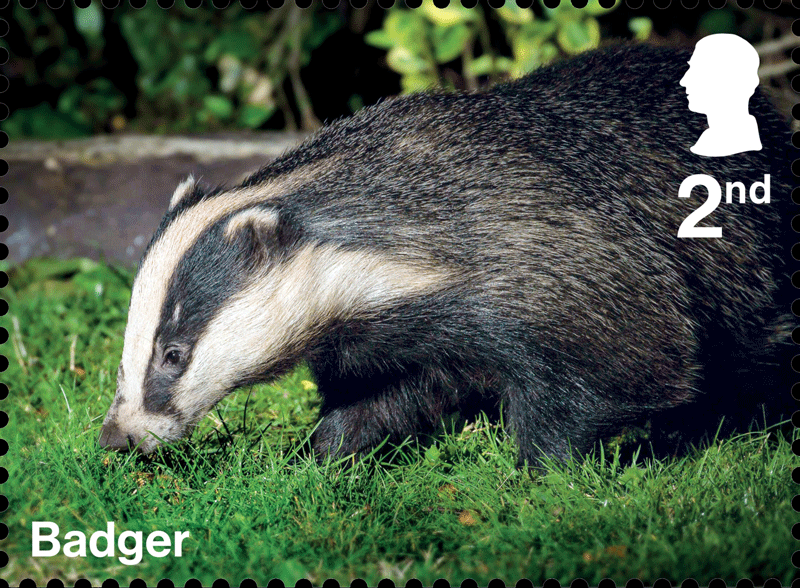
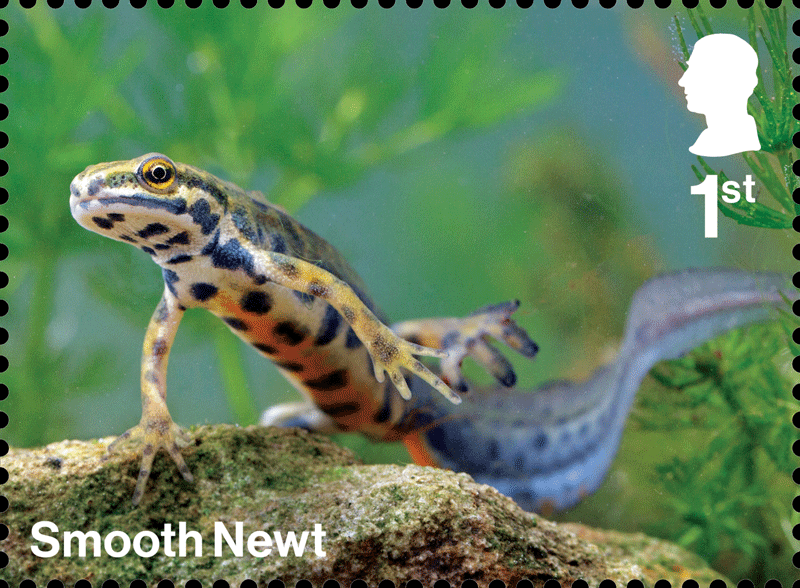
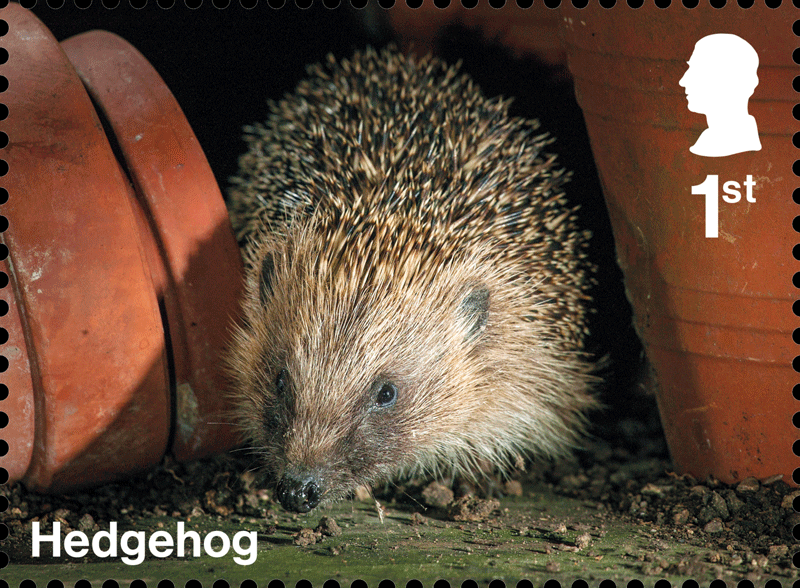
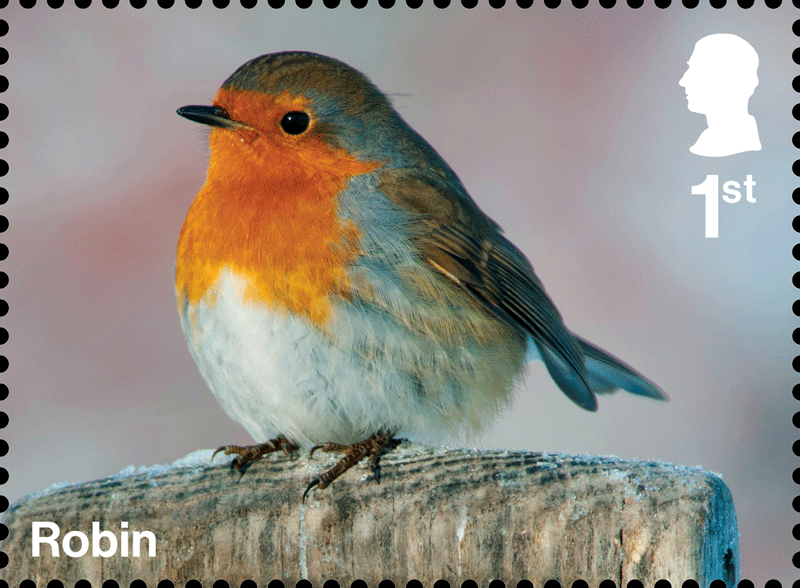
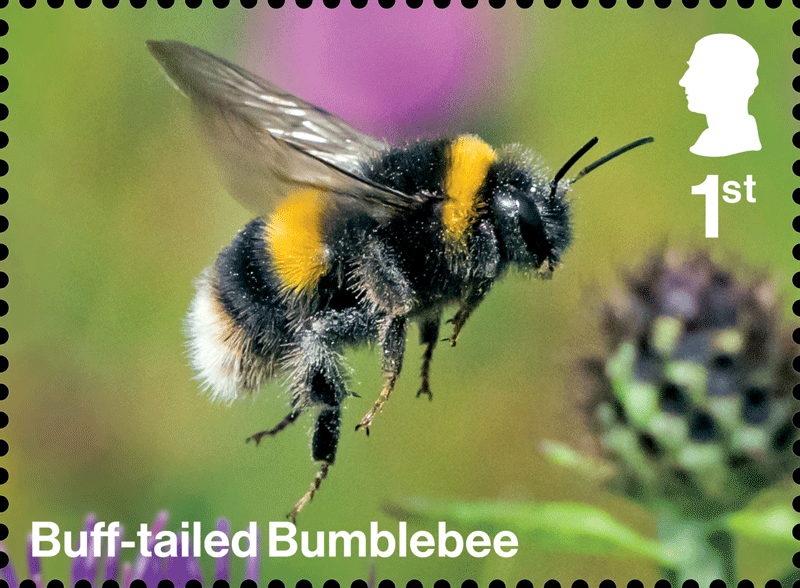
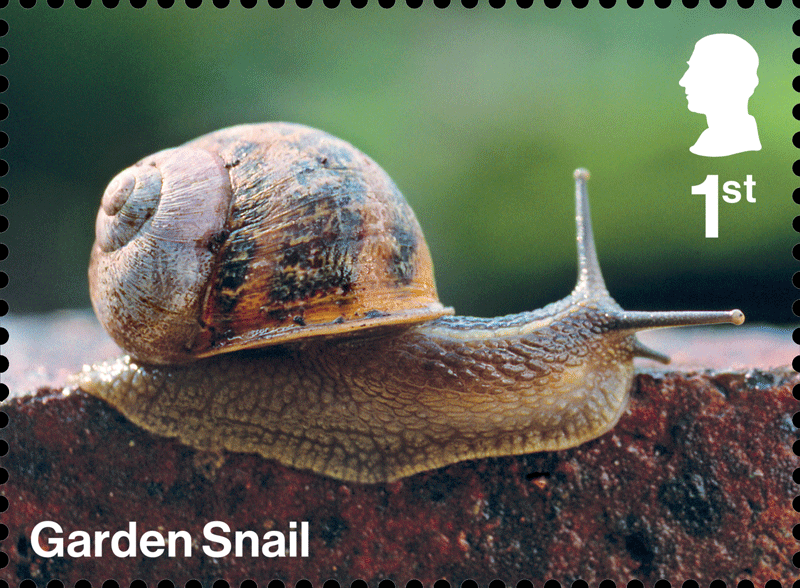
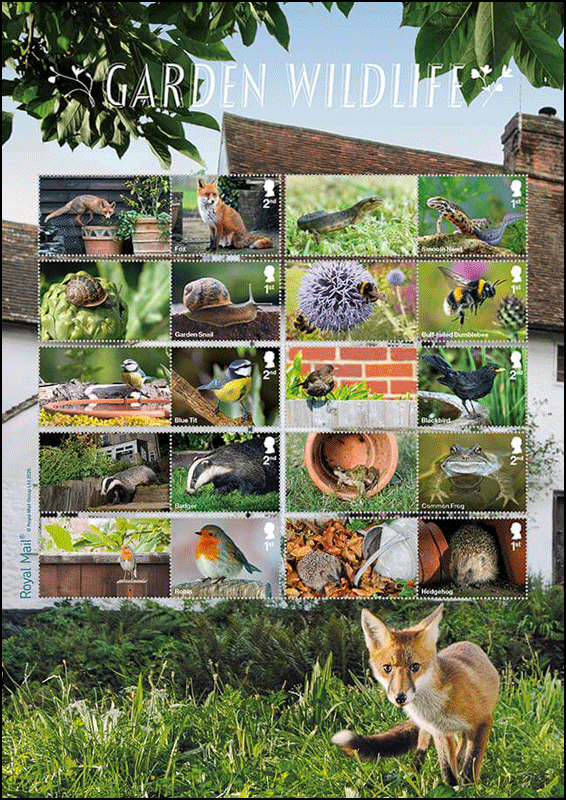
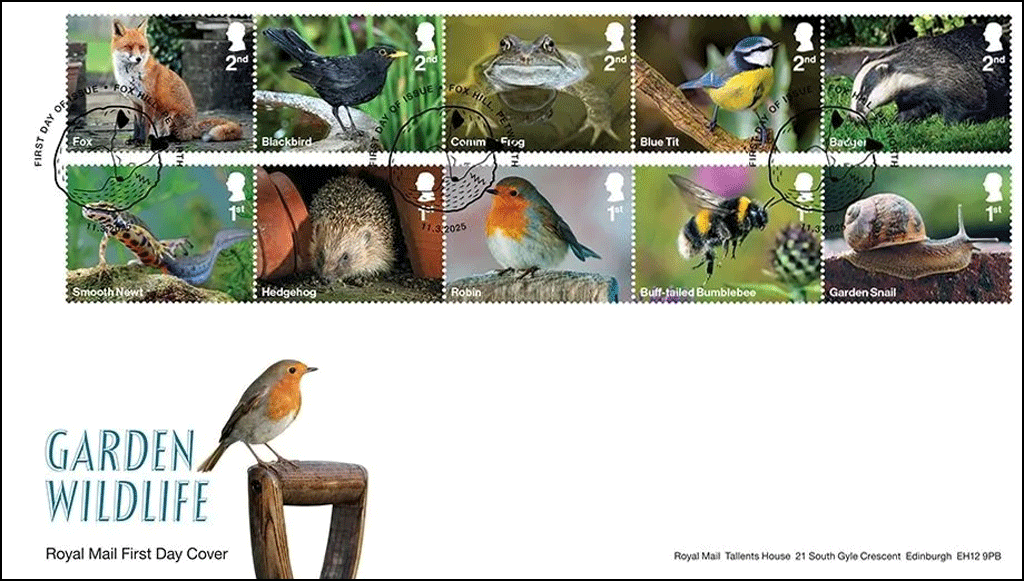
  • Featured on the stamps are: a Fox; Blackbird; Common Frog; Blue Tit; Badger; Smooth Newt; Hedgehog; Robin; Buff-tailed Bumblebee; and Garden Snail
  • The stamps and a range of collectible products are available at www.royalmail.com/gardenwildlife and by telephone on 03457 641641

The gardens of the UK support a huge diversity of wildlife. Today Royal Mail reveals images of 10 stamps that explore some of the species that inhabit the nation’s gardens.

The wildlife shown on the stamps are commonly seen and readily identifiable – they are also widespread and include some of our most popular species.

Featured on the stamps are: a Fox; Blackbird; Common Frog; Blue Tit; Badger; Smooth Newt; Hedgehog; Robin; Buff-tailed Bumblebee; and Garden Snail.

Royal Mail worked with Professor Dawn Scott, Executive Dean of the School of Animal, Rural and Environmental Sciences at Nottingham Trent University, on the stamp issue.

Professor Scott said: “It was fantastic to work with Royal Mail to celebrate our iconic British garden wildlife in this special collection. Gardens can provide havens for a rich diversity of wildlife, this collection highlights just a few. I hope the beautiful images inspire people to continue to support wildlife in their own gardens.”
David Gold, Director of External Affairs and Policy said: “British people are renowned for their love of gardens, and no matter how small, in urban or rural areas, wildlife can thrive there. These stamps capture the rich diversity of wildlife found in gardens across the UK, and remind us how lucky we are to live so close to nature.”
Wildlife of the UK:
Within the millions of gardens in the UK, there is a wide range of habitats, including flowerbeds, shrubs, lawns, ponds and compost bins, each providing resources to support a plethora of species.

Positive management of our gardens – such as increasing flowering-plant diversity, reducing chemical use and providing natural food resources and refuges for hibernating animals, not only benefits our wildlife but also gives us immense benefits from increasing biodiversity.

Wildlife pollinates our plants to provide us with fresh fruit and vegetables. Wildlife recycles the waste in our compost bins and eats insects to keep control of their numbers. Gardens and green spaces have also been shown to be beneficial for our physical and mental health. All that is needed is a space in which wildlife can thrive, and humans feel the benefits.

The stamps, and a range of collectible products, are available at www.royalmail.com/gardenwildlife and by telephone on 03457 641 641. A Presentation Pack including all 10 stamps is priced at £13.40. The stamps go on general sale from 11 March.

Stamp-by-Stamp
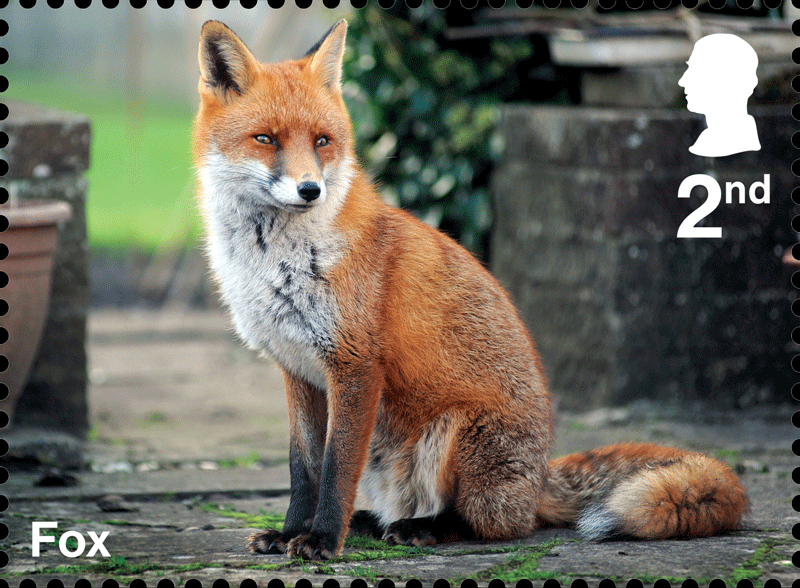
Fox
Vulpes vulpes
Also known as the red fox, this iconic omnivorous carnivore is widespread across the UK and commonly seen in gardens but, due to its adaptability, also occurs in many different habitats, from coasts to uplands. It has distinctive reddish-orange fur with white on the neck and belly, black on the legs and a thick, bushy tail. Foxes are generalists, having a wide diet that includes insects, fruit, small mammals and leftovers put out for them. They breed once a year, with cubs being sighted playing in gardens in early summer-

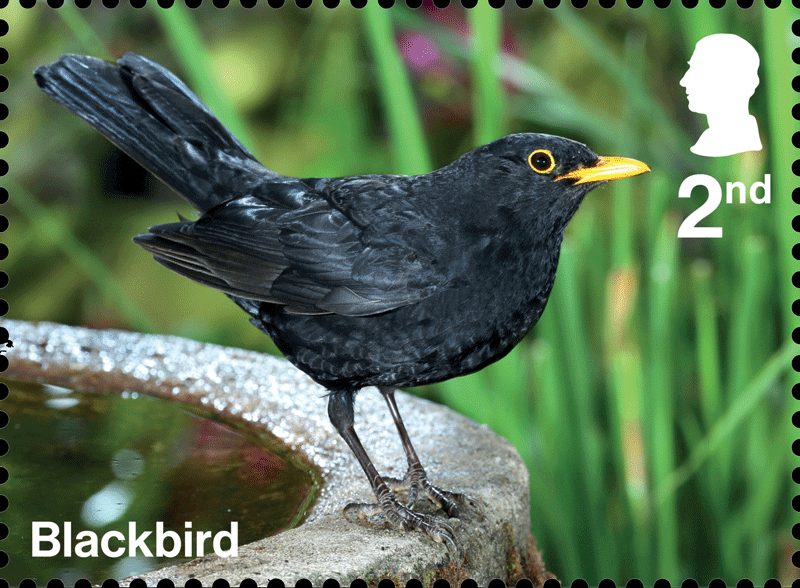
Blackbird
Turdus merula
Blackbirds are found widely across the UK, from gardens to countryside, coasts to hills. They are common and easily recognisable garden visitors. The males are black with bright orange-yellow beaks and yellow eye-rings, whereas females are brown, often with spots and streaks on their breasts, and brown beaks. Blackbirds feed on a variety of insects, worms and molluscs, also eating berries and fruit when in season. They forage mostly on the ground, turning over leaf litter and probing the soil for food.

Common frog
Rana temporaria
Widespread in mainland Britain, frogs are found in damp habitats including gardens with ponds. They have smooth skin – grey, olive-green and yellow-to-brown in colour – with irregular dark blotches and a dark stripe around their eyes. Frogs are mainly active at night and eat insects (using their long, sticky tongues), as well as snails, slugs and worms. In spring, males call to attract females to breed. Frogs lay large clumps of black-dotted jelly frogspawn in shallow water. Young tadpoles feed on algae, but then become carnivorous.-

Blue tit
Cyanistes caeruleus
Possessing distinctive blue-and-white heads, with black eye-stripes and yellow breasts, blue tits are one of our most familiar garden visitors. They are common in woodland, hedgerows, parks and gardens, feeding on insects, seeds and nuts. It is estimated that over 15 million blue tits overwinter in the UK, with numbers recently increasing, possibly due to supplementary food and bird-box provisions in gardens. They are considered strictly ‘residential’ birds, rarely moving far from where they hatch.

Badger
Meles meles
With their unique black-and-white face markings, and being the largest native land carnivores in the UK, badgers (also known as European or Eurasian badgers) are easily recognisable. They are members of the mustelid family, closely related to otters, stoats and weasels. Badgers live in groups called clans, based in underground setts. They are nocturnal, spending much of the night foraging for food. Although their diet can be wide-ranging, badgers do have a liking for earthworms and can eat over 200 in a night.-

Smooth newt
Lissotriton vulgaris
Also known as the common newt, this species is widespread and often found in garden ponds or in habitats such as woodpiles and rockeries. They feed on insects, slugs and worms on land, and hunt invertebrates and frog tadpoles in the water. Both males and females are grey or brown in colour and have an orange or yellow belly with black spots that extend up to the throat. During the breeding season, males develop a wavy crest along their body and tail. Females lay their eggs individually and wrap them in aquatic plant leaves for protection.

Hedgehog
Erinaceus europaeus
Garden visitors that have been voted Britain’s favourite mammal, hedgehogs were once widespread across the UK in woodland, arable land, hedgerows and grassland, but have recently suffered population declines. Unmistakable in appearance, hedgehogs (also known as European hedgehogs) have several thousand spines across their backs, and pointed furry faces with small black eyes and investigative noses. Known as ‘gardeners’ friends’ due to their diet of slugs, snails, beetles and caterpillars, hedgehogs hibernate from around November to April. In gardens, this can happen in piles of leaves or logs, in compost heaps and under sheds.-

Robin
Erithacus rubecula
With their highly distinctive red breasts, contrasting with brown bodies and white undersides, robins have been named the UK’s favourite birds. Found in a range of habitats, and common in gardens, robins are known to follow gardeners, hoovering up insects and worms that have been unearthed, although they also feed on seeds, fruits and other invertebrates. Males and females are identical in appearance. They are aggressively territorial and reinforce this by singing loudly from prominent perches.

Buff-tailed bumblebee
Bombus terrestris
The buff-tailed bumblebee is a common and widespread species found in gardens, parks and lowland areas throughout the UK. It is a large bumblebee, with yellow bands at the collar and on the abdomen. It feeds on a wide range of flowers such as lavenders, thistles and daisy-like species where its short tongue can easily reach the available nectar. The species is named after the buff-coloured tail of the queen, although workers and males have an almost white tail, often with a narrow buff-coloured line between the black abdomen and tail.-

Garden snail
Cornu aspersum
Some of the most widespread garden animals, snails have pale-grey skin and brown or yellowish shells with pale flecking and dark spiralling bands. They are active at night, feeding on leaves, fungi and plant debris. Garden snails generally hibernate during winter. After mating, they lay around 80 white eggs in an underground nest. The newly hatched snails have fragile shells and take about two years to mature. Snails are hermaphrodites, having both female and male reproductive cells, meaning they can also reproduce by self-fertilisation.

Other philatelic products for this issue include:

  • Collectors Sheet (right) £13.70
  • Postcards £4.50
  • Stamp Souvenir (unpersonalised FDC) (below) £15.65

However, no personalized FDCs are offered for this issue, nor choice of postmarks.

  • First-day envelope £0.30
  • Full sheet of 50 1st class stamps £82.50
  • Full sheet of 50 2nd class stamps £42.50
  • Framed stamps £39.99