
[press release]
Royal Mail Issues Stamps To Commemorate 70th Birthday Of Hrh The Prince Of Wales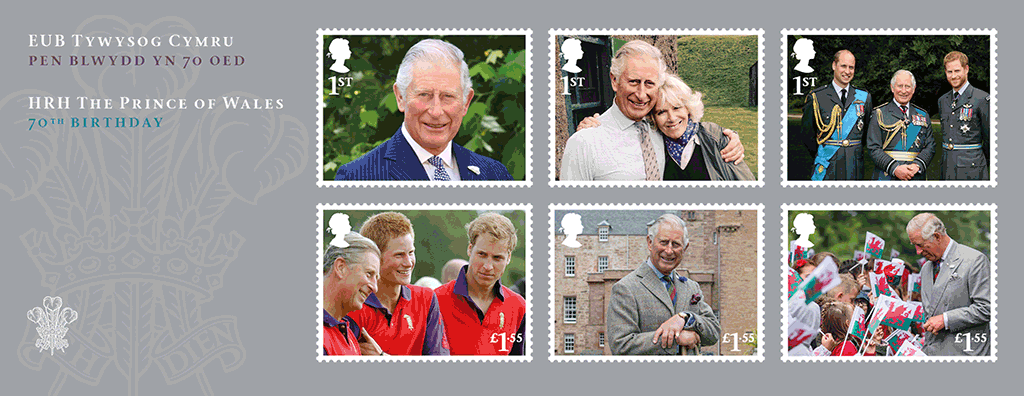
Issued: November 14, 2018
- Six stamps show HRH The Prince of Wales undertaking official duties and with family members
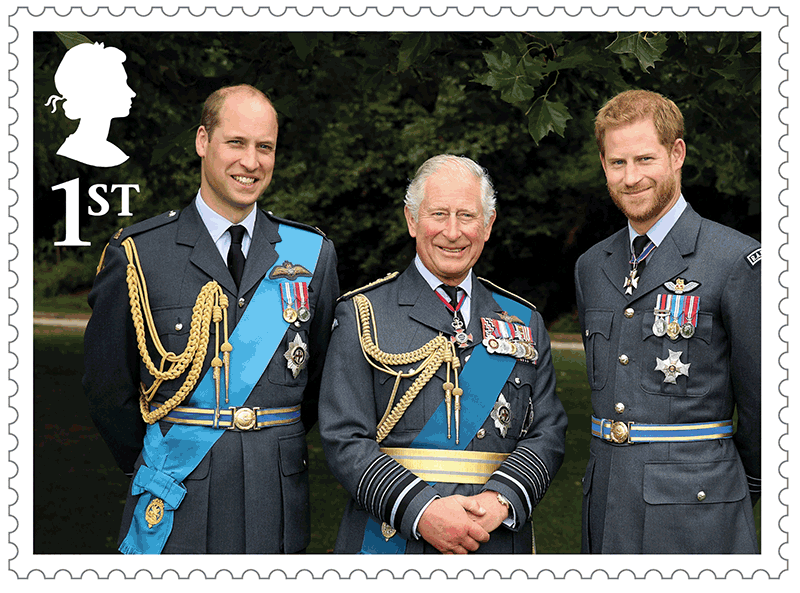
- Images include a new portrait of The Prince with HRH The Duke of Cambridge and HRH The Duke of Sussex in RAF uniform, taken at the recent RAF centenary commemorations
- HRH The Prince of Wales is the eldest son of Her Majesty The Queen and the Heir to the Thrones of the United Kingdom and 15 other Commonwealth realms. He is also the future Head of the Commonwealth
- Prince Charles Philip Arthur George was born on 14 November 1948, the first-born child of Princess Elizabeth and the Duke of Edinburgh
- He became Heir Apparent and Duke of Cornwall aged three, following his mother’s accession to the Throne
- The stamps are available now to pre-order from www.royalmail.com/princeofwales and go on general sale from Thursday 14 November by phone on 03457 641 641 and in 7,000 Post Offices throughout the UK
 Royal Mail has announced the release of a set of stamps to commemorate the 70th birthday of HRH The Prince of Wales.
The stamps, contained within a special miniature sheet, depict The Prince undertaking official duties and with his family. One of the stamps includes a new portrait of The Prince with The Duke of Cambridge and The Duke of Sussex in RAF uniform, taken at the recent RAF centenary commemorations at Buckingham Palace. The Prince of Wales is Marshal of the Royal Air Force.
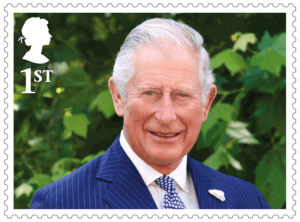
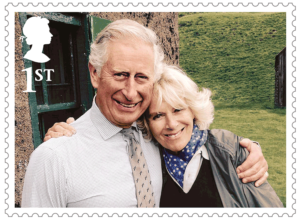
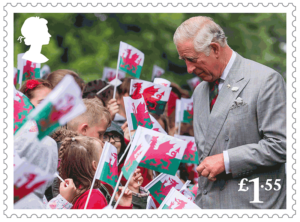
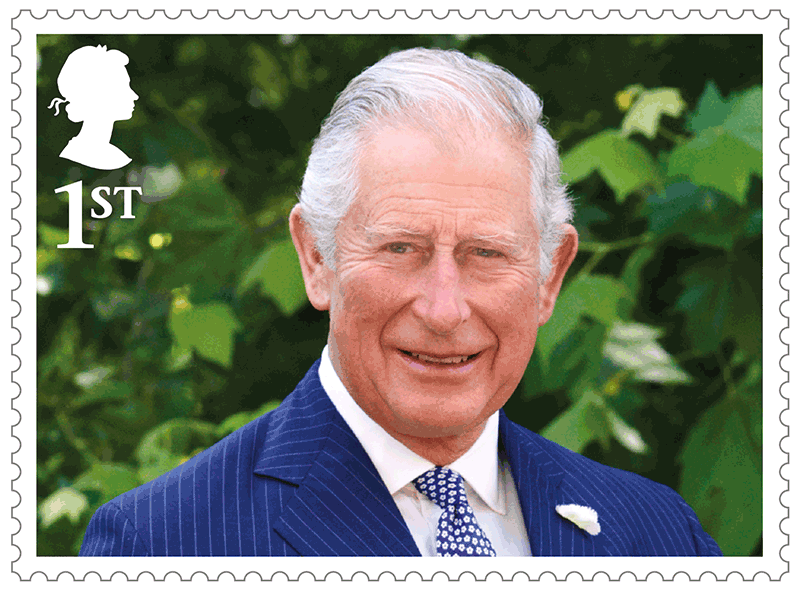
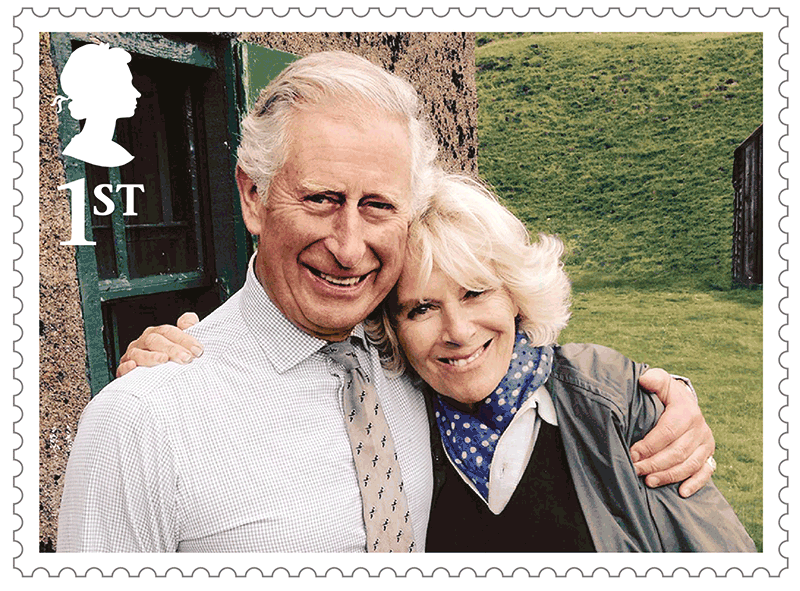
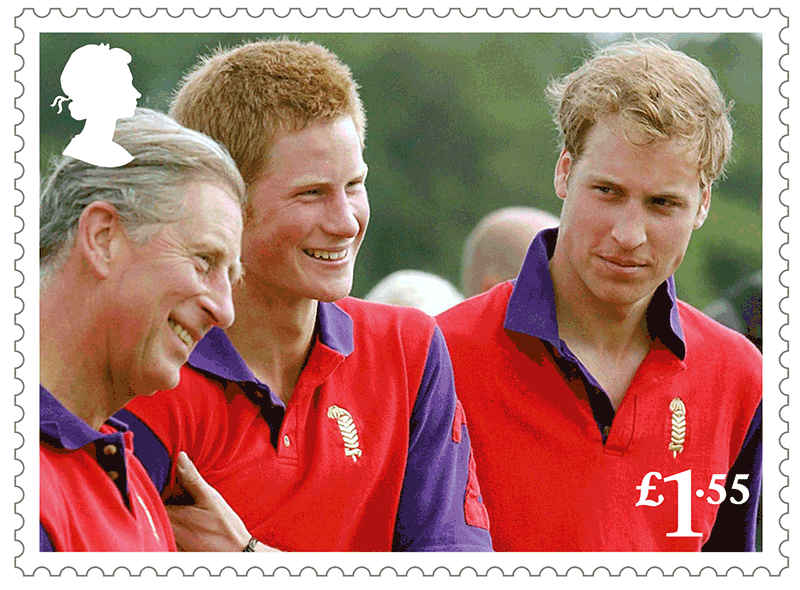
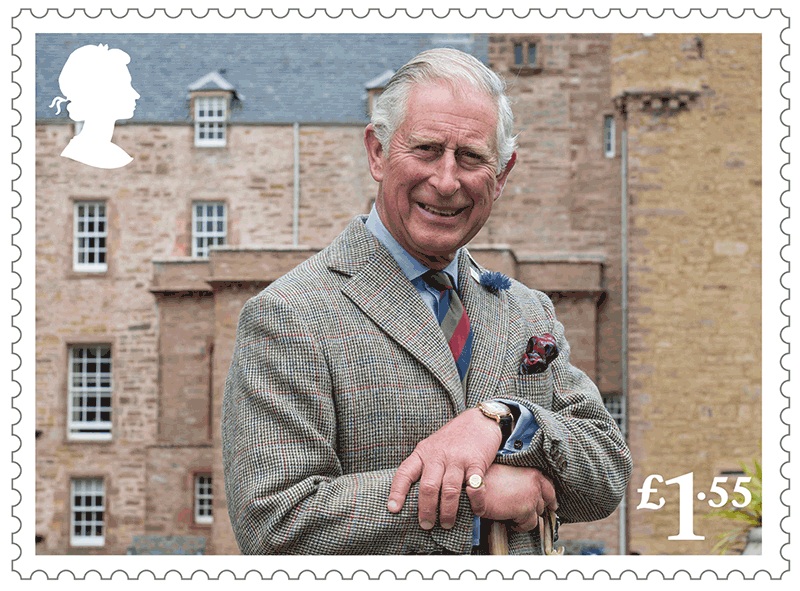
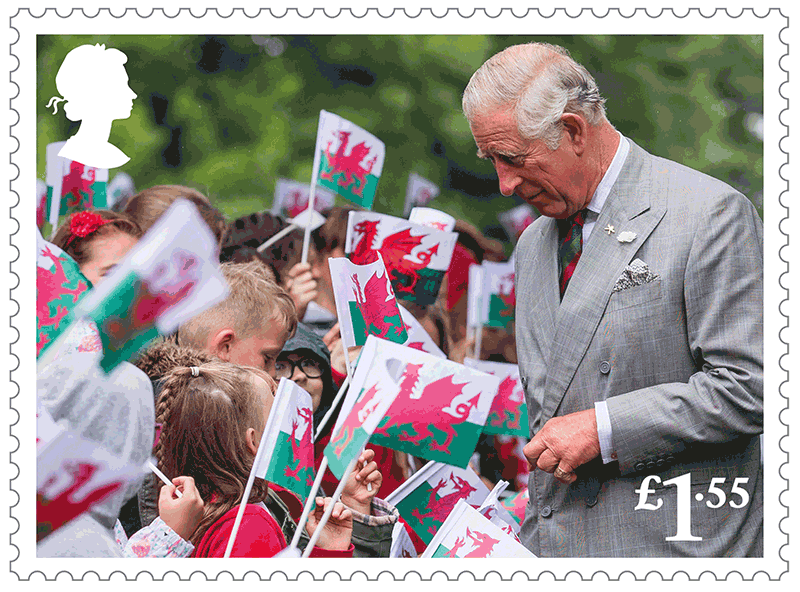
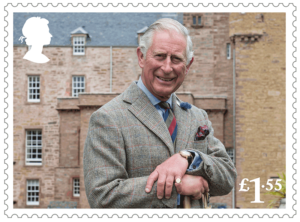 Other images show: a portrait of The Prince of Wales; an image of The Prince of Wales with The Duchess of Cornwall; The Prince of Wales and his sons at Cirencester Park Polo Club; The Prince of Wales at the Castle of Mey and The Prince of Wales greeting school children during a visit to Llancaiach Fawr Manor, in Wales.
The Prince of Wales is the eldest son of Her Majesty The Queen, the Heir to the Thrones of the United Kingdom and 15 other Commonwealth realms. He is also the future Head of the Commonwealth.
 Prince Charles Philip Arthur George Windsor was born on 14 November 1948. Aged three, he became Heir Apparent and Duke of Cornwall following his mother’s accession to the Throne.
His investiture as Prince of Wales in 1969 was followed by a career in the Royal Navy until 1976 when he assumed full-time royal duties in support of The Queen. During that same year he started his first charity, The Prince’s Trust, with the help of £7,500 in Royal Navy severance pay.
 Royal Mail spokesperson Philip Parker said, “Royal Mail is proud to release this six-stamp tribute to HRH The Prince of Wales, featuring delightful images of the Prince and his family.”
The stamps are available now at www.royalmail.com/princeofwales and on general sale by phone on 03457 641 641 and in 7,000 Post Offices throughout the UK.
Stamp By Stamp
- Portrait of HRH The Prince of Wales (photo credit © Hugo Burnand)
- HRH The Prince of Wales and HRH The Duchess of Cornwall (photo credit © Clarence House)
- HRH The Prince of Wales with his sons, HRH The Duke of Cambridge and HRH The Duke of Sussex (photo credit © Chris Jackson/Getty Images)
- HRH The Prince of Wales and his sons at Cirencester Park Polo Club (photo credit © Barry Batchelor/PA Archive/PA Images)
- HRH The Prince of Wales at the Castle of Mey (photo credit © John Paul)
- HRH The Prince of Wales greets school children during a visit to Llancaiach Fawr Manor (photo credit © Camera Press London)
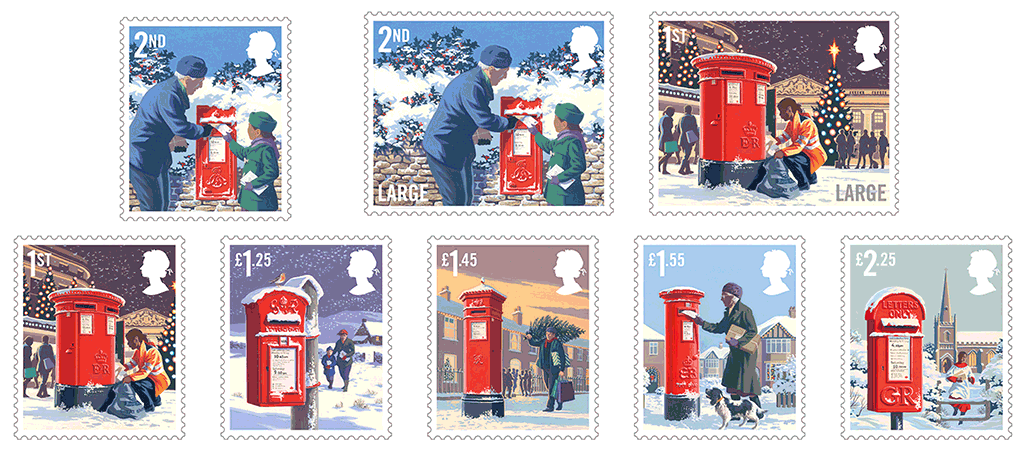
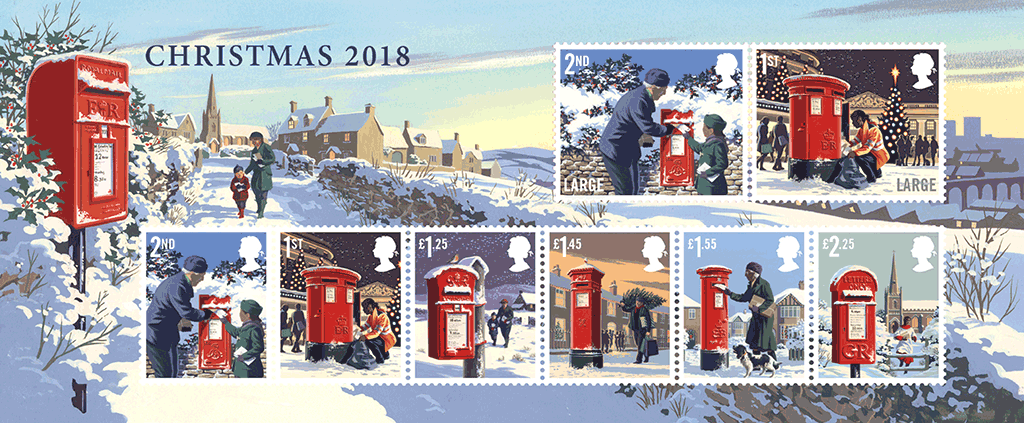
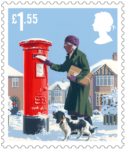
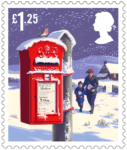 The six stamp designs celebrate one of the UK’s best-loved Christmas traditions – sending festive greetings in the post to friends and family far and wide.
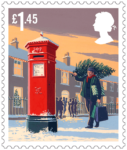 one hundred years, there have been six Monarchs, as such, each of the postboxes on the stamps features a Monarch’s cypher.
 stamps will be winging their way around the world delivering Season’s Greetings to friends and family, gives me a real sense of festive joy.”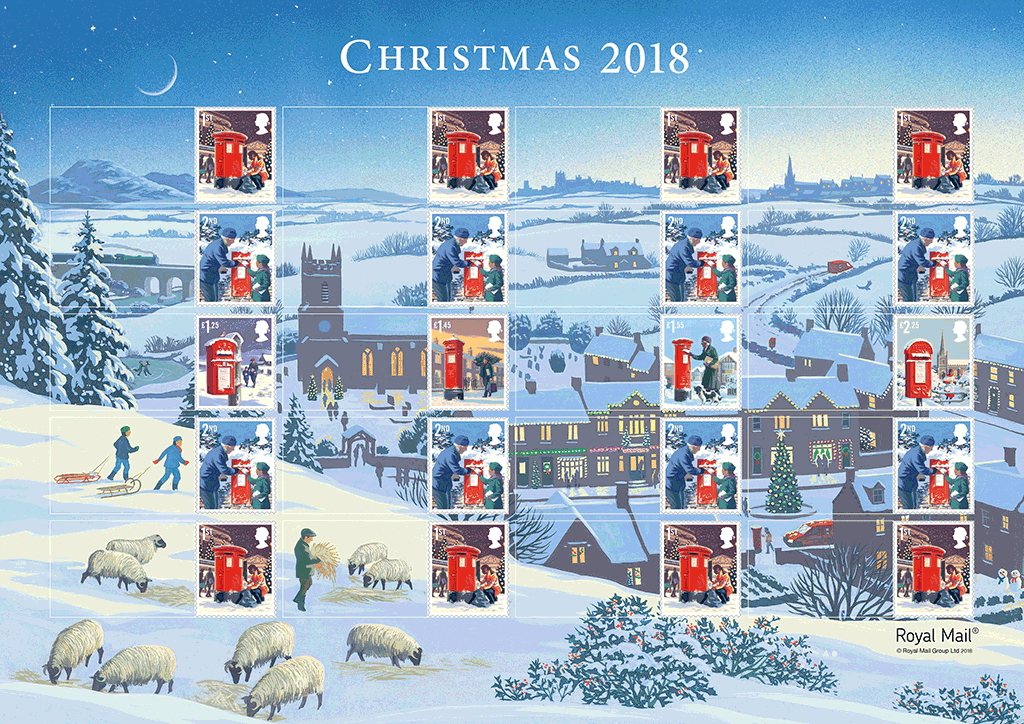
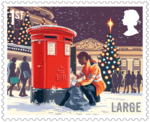 Royal Mail is encouraging customers to post their festive greetings early, and order their online gifts and shopping well in advance, to help its postmen and women deliver the bumper festive mailbag.
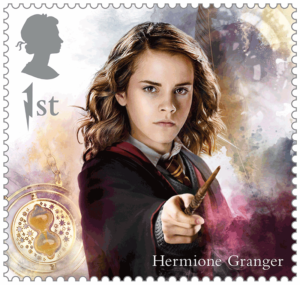
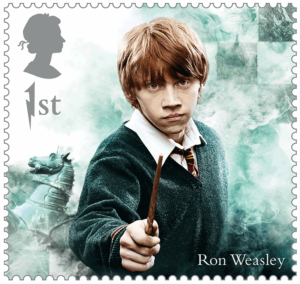
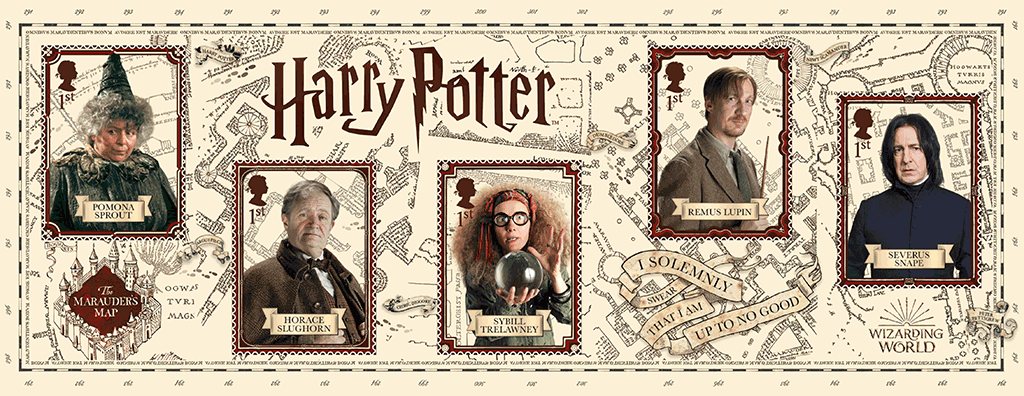
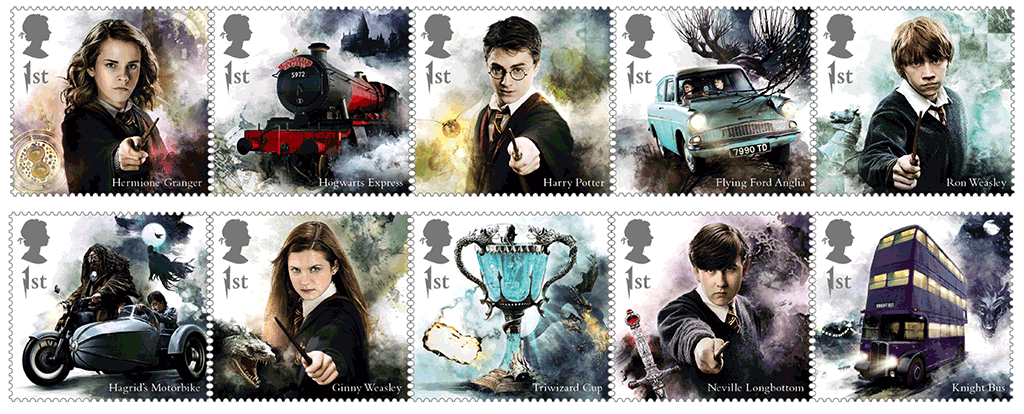 The Harry Potter series remains to be one of the most beloved and enduring franchises with fans worldwide. The new stamps feature some of the most iconic characters from the films including: Harry; Hermione; Ron; Ginny Weasley and Neville Longbottom.
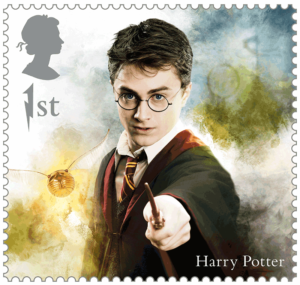 Set of ten Special Stamps AS4123 £6.70 16th October
 Miniature Sheet First Day Envelope ME129 £0.30 16th October
 Retail Stamp Book UB418 £4.02 16th October
 Please note that the Miniature Sheet will be self adhesive rather than gummed (our Miniature Sheets are normally gummed). (The reverse of the minisheet:)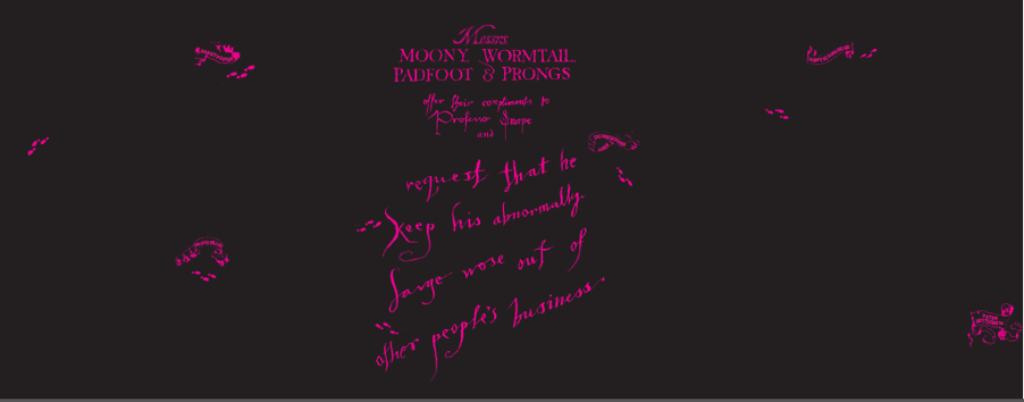
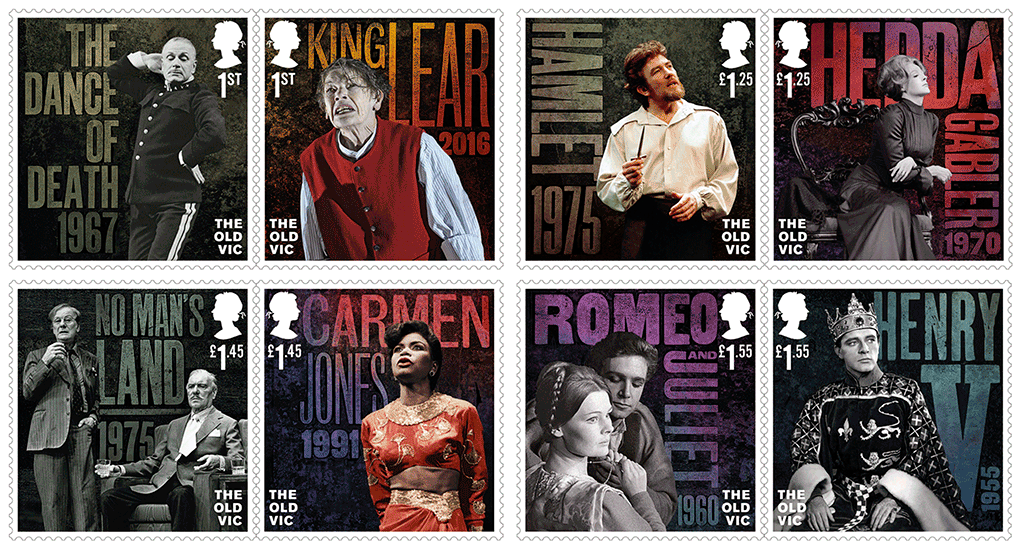
 The Dance of Death, 1967
 King Lear, 2016
 Hamlet, 1975
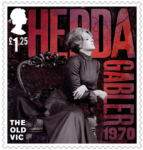 Hedda Gabler, 1970
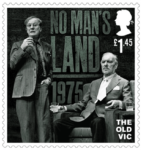 No Man’s Land, 1975
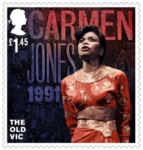 Carmen Jones, 1991
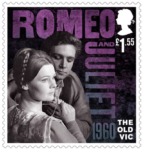 Romeo and Juliet, 1960
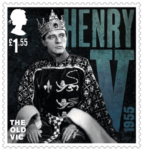 Henry V, 1955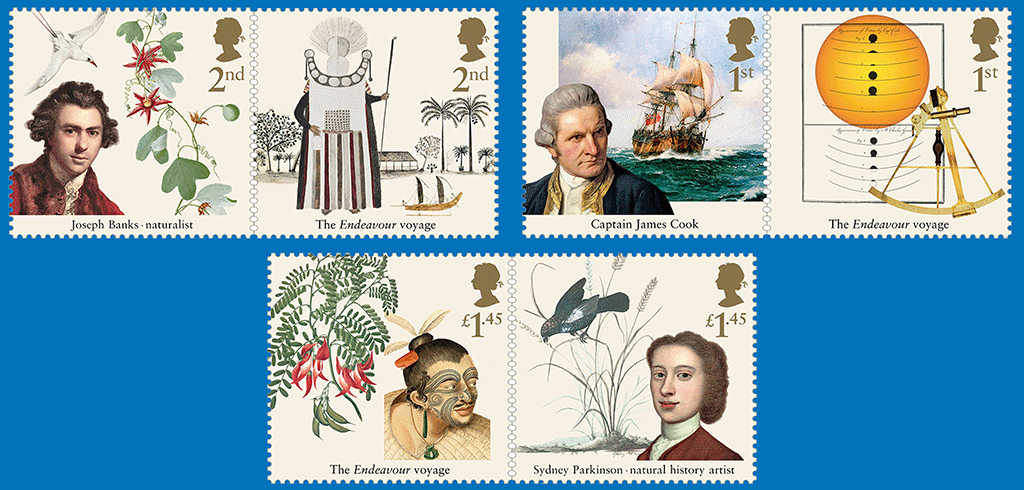
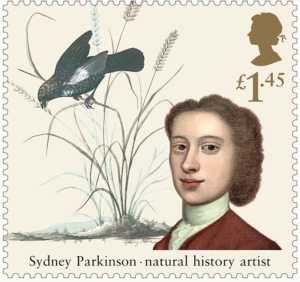
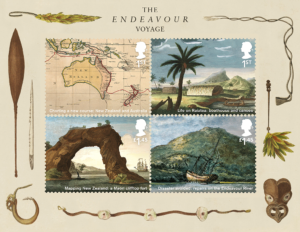 The ten-stamp set, four of which are presented in a miniature sheet, will include a selection of the original drawings and paintings of the indigenous peoples, landscapes of the Pacific and flora and fauna, some of which had never been seen before by Europeans, and which amazed the scientific establishment at the time.
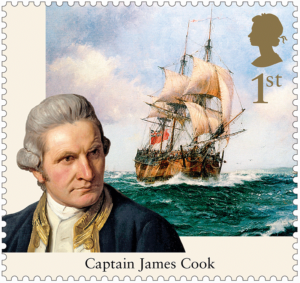 During the expedition, Cook and his men initiated the first European contact with Eastern Australia, mapped New Zealand and observed the transit of Venus across the Sun.
 voyage produced Pacific maps based on accurate information rather than conjecture.
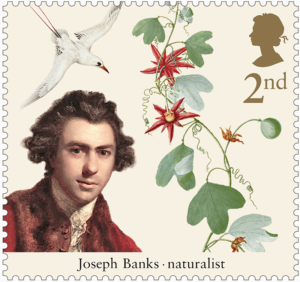 Sir Joseph Banks Bt by Sir Joshua Reynolds, Phaethon rubricauda (red-tailed tropicbird) by Sydney Parkinson and Passiflora aurantia (red passion flower) outline drawing by Sydney Parkinson finished by Fred Polydore Nodder
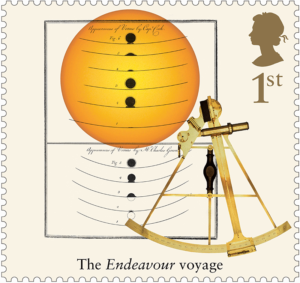 Charles Green and Lieutenant James Cook alongside a photograph of a sextant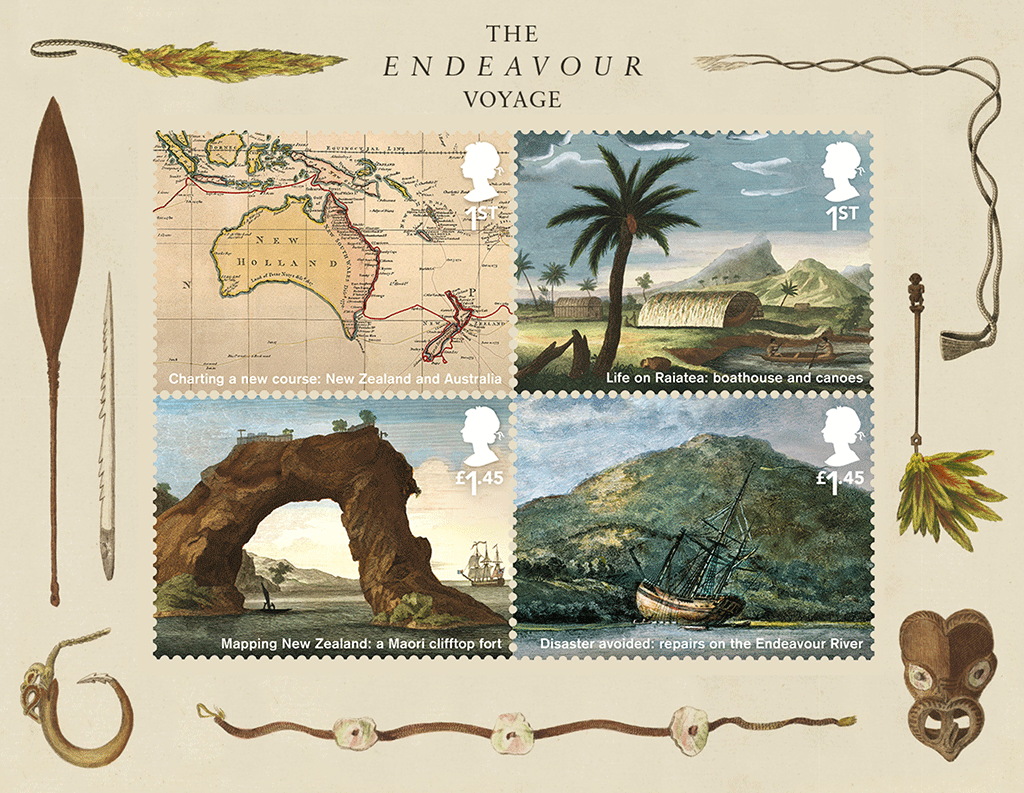
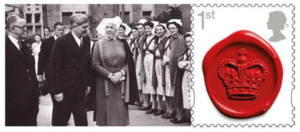 The Commemorative Sheet features 10 existing 1st Class Seal stamps alongside images that depict pivotal moments in the TUC’s 150-year history. These key events include the 1888 strike by women from the Bryant & May match factory in London in protest at poor working conditions. Their demands were met three weeks later. The Equal Pay Campaign of 1968 saw female workers at Ford car plants in Dagenham strike to demand the lower ‘women’s rate’ of pay be abolished. It was, and their efforts went on to inspire similar protests around the country.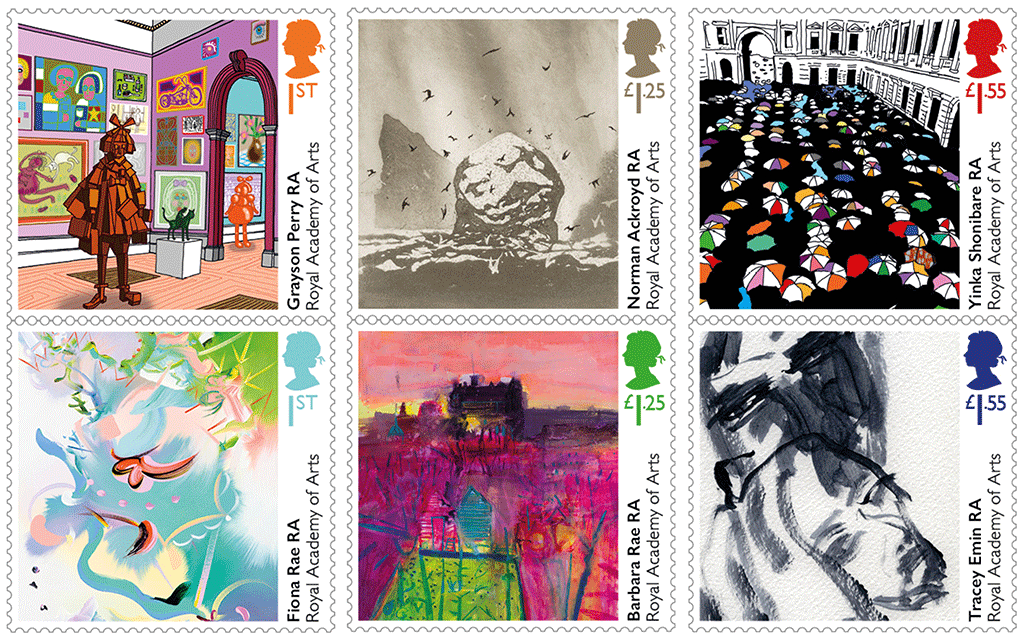
 The original works were created by Royal Academicians: Norman Ackroyd CBE, RA; Tracey Emin CBE, RA; Grayson Perry CBE, RA; Fiona Rae RA; Barbara Rae CBE, RA and Yinka Shonibare MBE, RA.
 As stipulated 250 years ago, the RA is still led by many of the greatest artists and architects of the day. Known as Royal Academicians, they teach at the postgraduate Royal Academy Schools, determine the exhibitions programme and select artworks for the Summer Exhibition.
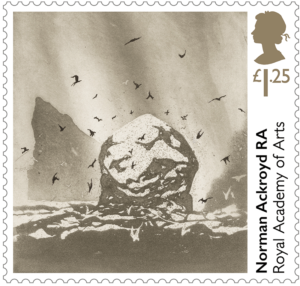 Leeds born Norman Ackroyd CBE is an artist and printmaker who has been a Royal Academician for 30 years. He was appointed Professor of Etching at the University of Arts in 1994 and elected Senior Fellow at the Royal College of Art in 2000. His work can be found in several British and American galleries including the Zillah Bell Gallery, the Tate, the British Museum and the National Gallery of Art, Washington. He has also appeared in several television programmes, the most recent being a feature in an episode of BBC’s Countryfile in 2017. His stamp is entitled St Kilda: The Great Sea Stacs.
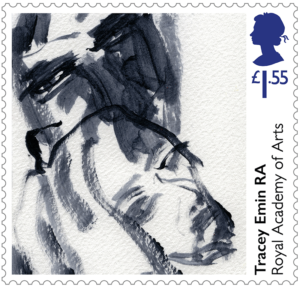 Tracey Emin CBE is renowned for her autobiographical, confessional and often candid art, working with a variety of media including drawing, painting, sculpture, needlework, film and photography. Born in Croydon in 1963, she studied fashion at the Medway College of Design and later printing at Maidstone Art College before obtaining a Master of Arts in painting at the Royal College of Art in London. She became a Royal Academician in 2007 and in December 2011 she was appointed Professor of Drawing at the Royal Academy, being one of the first two female RA Professors along with Fiona Rae. She has exhibited and given lectures extensively throughout the world and is a Turner Prize nominee. Her stamp is entitled Saying Goodbye.
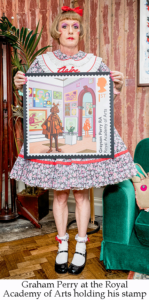
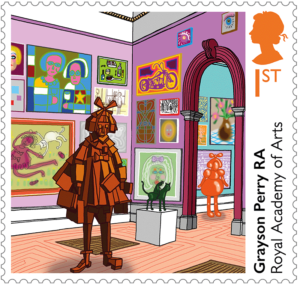 Grayson Perry CBE is particularly renowned for his ceramic vases but also works with printmaking, drawing and tapestry. He is an astute commentator on contemporary society and culture and there are often autobiographical elements in his work with images of his female alter-ego, Claire. He was born in Essex and did an art foundation course at Braintree College of Further Education before graduating with a Batchelor of Arts Fine Art degree from Portsmouth in 1982. He has written several books as well as prize-winning TV documentaries and was awarded the Turner Prize in 2003. His work is held in the collections of the Tate, Arts Council, Victoria & Albert Museum among others. His stamp is entitled Summer Exhibition
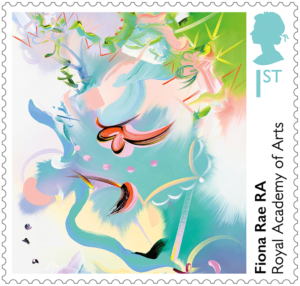 Hong Kong-born artist Fiona Rae has developed a distinctive style of work over the past 25 years, which is full of restless energy, humour and complexity and which has set out to challenge and expand the modern conventions of painting. She studied Foundation at the Croydon College of Art before gaining a BA Honours in Fine Art at Goldsmiths College in 1987. She has been shortlisted for the Turner Prize, served as a Tate Artist Trustee and became the first female Professor of Painting at the Royal Academy of Schools in 2011. She has exhibited extensively in galleries and museums throughout the world and her work is held in prestigious public and private collections. Her stamp is entitled Queen of the Sky.
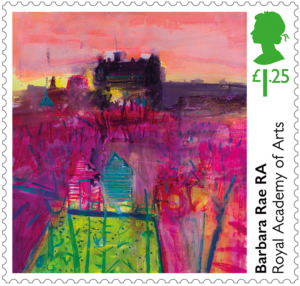 Barbara Rae CBE is a Scottish painter and printmaker who studied at the Edinburgh College of Art and has taught art at the Aberdeen College of Education as well as at the Glasgow School of Art. She has received numerous awards for her art, with a number of works being displayed in institutions such as the University of Edinburgh, University of Glasgow, British Museum and Whitworth Art Gallery. The Royal Academy of Arts’ magazine, RA, has described Rae’s works as “intense colour bursts that evoke dramatic landscapes but remain resolutely abstract… distilling the colour, light and forms of nature into dazzling visions”. Her stamp is entitled Inverleith Allotments and Edinburgh Castle.
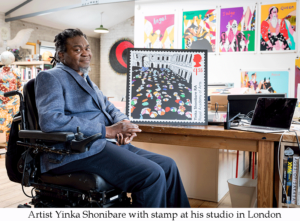
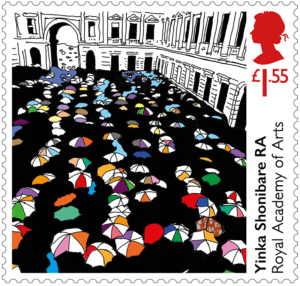 Yinka Shonibare MBE is a British-Nigerian artist whose work explores cultural identity, issues of race and class through the media of painting, sculpture, photography and film. He studied Fine Art at the Byam School of Art (now Central Saint Martin’s College) as well as Goldsmiths College. A Turner Prize nominee, he was awarded a MBE in 2004. He has works displayed in prestigious institutions including the Royal Opera House, the Tate Collection, Victoria and Albert Museum, the National Museum of African Art and the Smithsonian Institution in Washington DC. His stamp is entitled Queuing at the RA.
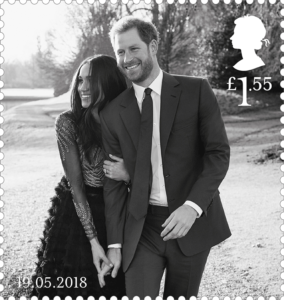 Four stamps marking the Royal Wedding will be issued on 19 May – the day of the wedding
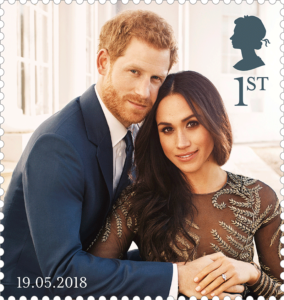 Royal Mail today reveal images of the Special Stamps being issued to celebrate the wedding of Prince Henry of Wales to Ms Meghan Markle.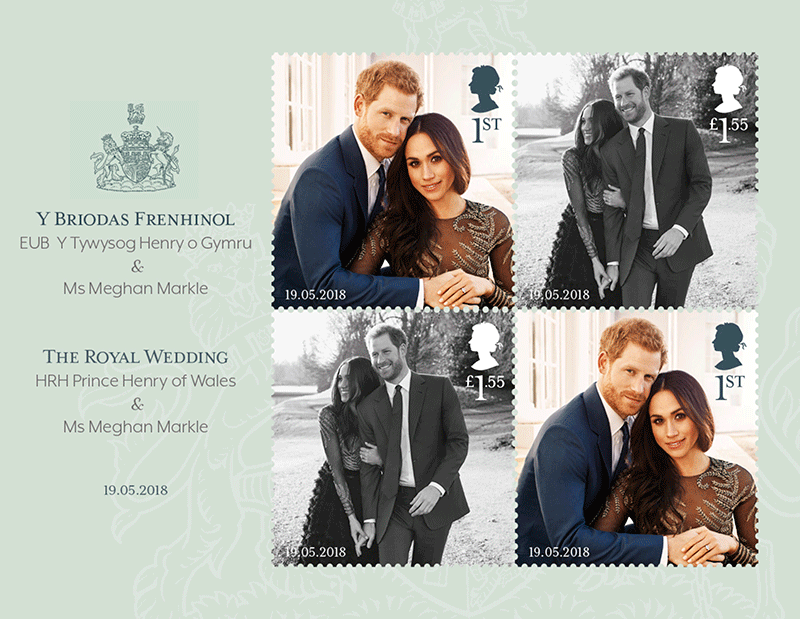
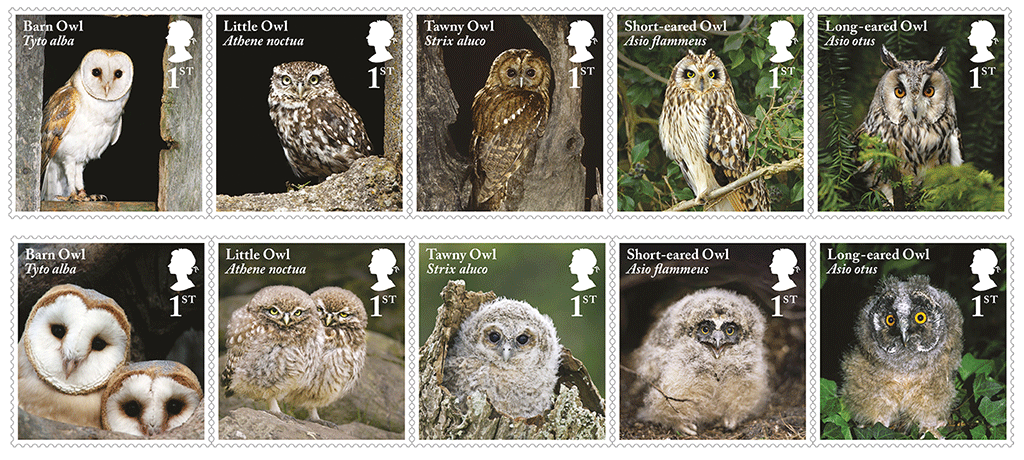
 From the mostly nocturnal Barn Owl, to the Short-eared Owl that hunts in the daylight, the stamps depict five species of Owls that breed in the UK.
 An exemplary sense of hearing is also essential for a bird that hunts in near-total darkness, and whose prey is often concealed under vegetation (or sometimes even snow). All owls have acute hearing, but it is most developed in strictly nocturnal woodland hunters, like the Long-eared Owl.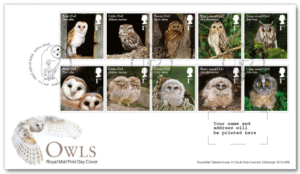
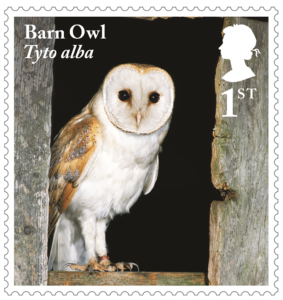
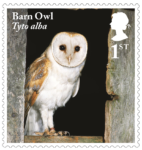 Barn Owl: Also known as the ‘white owl’ and the ‘screech owl’, the Barn Owl is perhaps the UK’s most familiar owl species – most often encountered as a ghostly shape caught in car headlights, or heard rather than seen with its unearthly screaming call. The Barn Owl hunts over all kinds of open country, and tends to nest on ledges inside farm buildings. It is unmistakeable with its white and gold plumage, heart-shaped face, long legs and small dark eyes. While it is mostly
 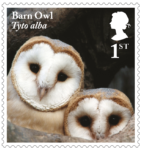 nocturnal, it can also be seen out hunting on summer evenings. It hunts in flight, flying into the breeze for uplift and often hovering before making its strike – its prey mainly located by sound. Barn Owls became very rare following widespread use of the insecticide DDT in the 20th century, but their numbers are now recovering.
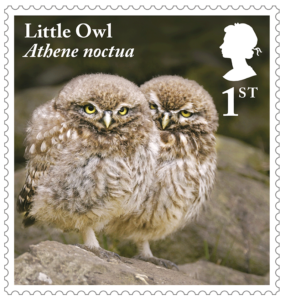
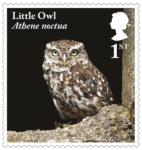 Little Owl: This small, long-legged owl with its bright yellow eyes, white-spotted brown plumage and fiercely frowning expression is common in continental Europe, but not native to the UK. It was deliberately introduced here by ornithologists in the 19th century and has spread widely across southern Britain. Little Owls inhabit woodland and parkland with open grassy areas nearby, and are often seen by day, perched in pairs close to their nest site (usually a hole or crack in a mature
 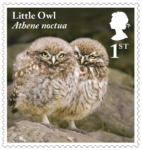 tree), or flying from tree to tree with a distinctive bounding flight action. They hunt mainly insects, dropping on them from a perch or chasing them on the ground. The Little Owl is the national bird of Greece, and has long been recognised as the emblem of Athene, the Greek goddess of wisdom.
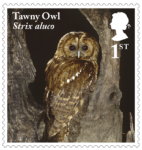 Tawny Owl: The lovely quavering hoot of the Tawny Owl is a familiar night-time sound in woodland, parks and even gardens, but although this is the UK’s most common owl, it is rarely seen, being strictly nocturnal. Tawny Owl pairs stay in their territories year-round and over time build up a great familiarity with the terrain, with favourite hunting watchpoints, roosting sites and a nest site that will be used every year. The owlets leave the nest while still downy and flightless, and climb
 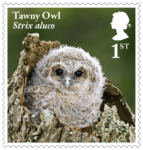 to safe spots among the branches where they wait for food from their parents. The largest of the UK’s owl species, the Tawny Owl is a powerful predator and other owls number among its prey. It is found throughout Great Britain, but is absent from Ireland.
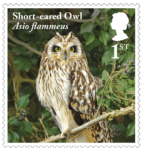 Short-eared Owl: A true nomad, the Short-eared Owl is one of the most widely distributed birds in the world, occurring on all continents except Antarctica. Individuals may travel great distances, stopping to breed where feeding conditions are good. In Britain the species breeds mainly on upland moor in the north and west, but becomes more widespread in winter (and more numerous, as birds arrive from mainland Europe, sometimes in large numbers). A diurnal owl of open moorland
 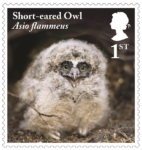 and rough grassland, it hunts on the wing, patrolling back and forth close to the ground, and dropping feet-first upon voles and other prey. In some winters, half a dozen or more may be seen ‘working’ the same field, with coastal areas particularly likely to attract large numbers. The Short-eared Owl is a long-winged owl with grey-brown and sandy, heavily streaked plumage, paler than the similar Long-eared Owl, and with yellow, staring eyes and tiny ear tufts.
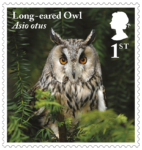 Long-eared Owl: This beautiful, slim, orange-eyed owl is named after its large, cat-like ear tufts, which help to break up its outline as it roosts by day. In the UK it breeds mainly in upland pine forests, but in Ireland (where it does not face competition from Tawny Owls) it is more common and lives in a wider range of habitats. Though the Long-eared Owl nests in woodland, often in the old nest of another bird, it prefers to
 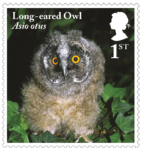 hunt on adjacent open countryside. Its prey mainly comprises small rodents, which it catches either by pouncing from a perch or by searching in flight. The waiting chicks beg with a distinctive ‘squeaky-gate’ call. Long-eared Owls disperse widely in winter, with residents joined by visitors from the Continent, and form winter roosts (which may hold ten or more birds) in thick scrubland.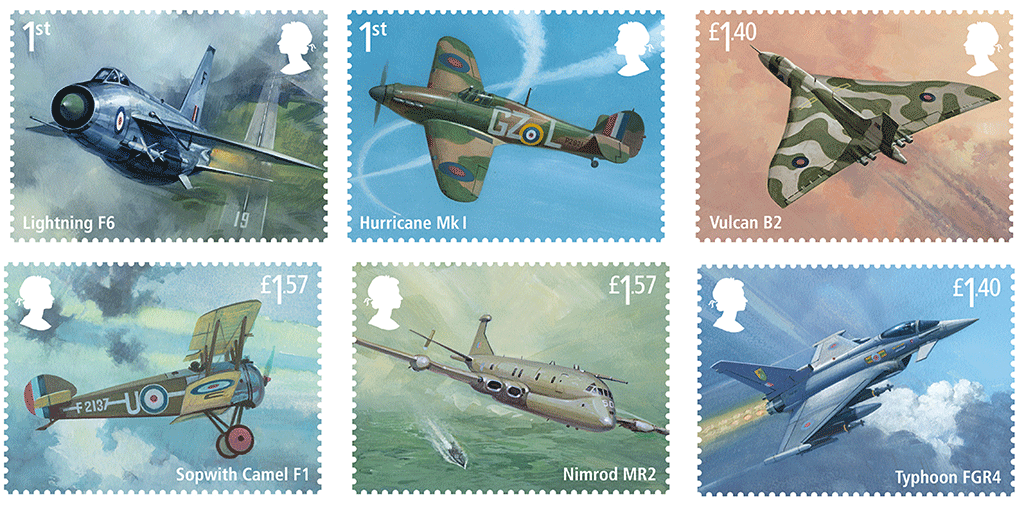
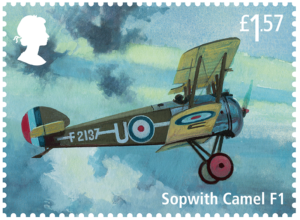 Camel F1
 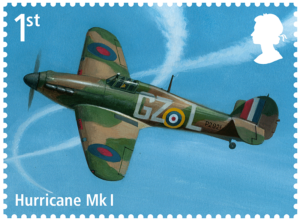 Hurricane Mk I
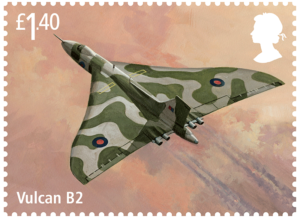 Vulcan B2
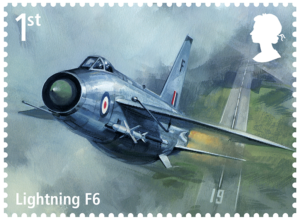 Lightning F6
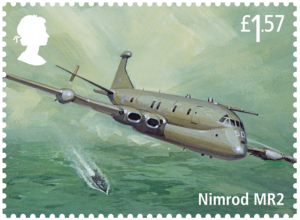 Nimrod MR 2
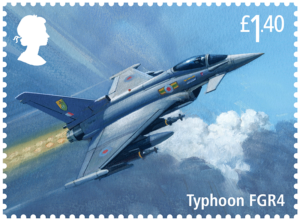 Typhoon FGR4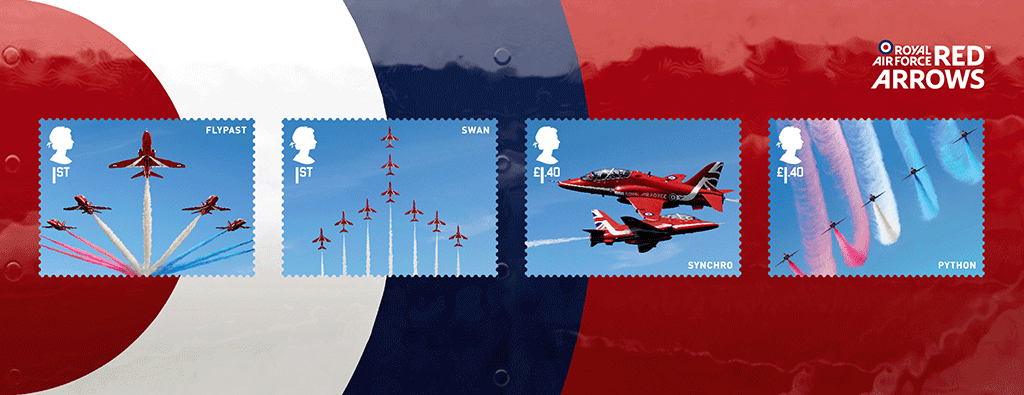
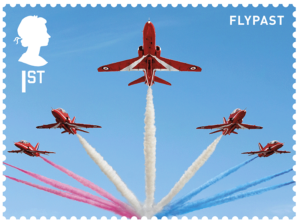
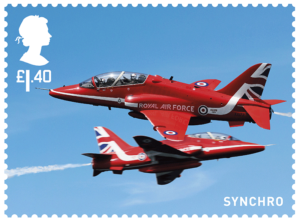
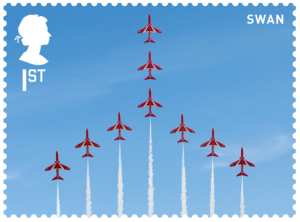 In addition to the six stamps, Royal Mail is also issuing a Miniature Sheet celebrating the RAF Red Arrows Aerobatic Team which has been displaying since 1965. One of the premier aerobatic teams in the world, comprising 120 personnel including pilots, engineers and support staff, the Red Arrows are based at RAF Scampton in Lincolnshire. They fly the Hawk T1 at speeds in excess of 600mph and the nine display pilots, including the team leader undergo extensive training and practise.
 Technical details:
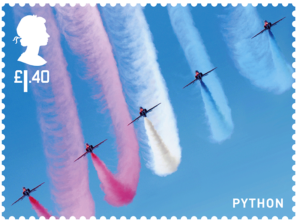 Steve Buckley © MoD/UK Crown copyright 2015; Python photo © EJ van Koningsveld 2007; sky background on stamps © itsskin/Getty Images; miniature sheet background design by Turner Duckworth referencing a photo of a Red Arrows Hawk © Mike Rivett/Fotomotion; RAF and Red Arrows logos are trade marks of the UK Secretary of State for Defence and used
  under licence; all MoD/UK Crown copyright images reproduced with the permission of the Controller, HMSO, London