[press release]
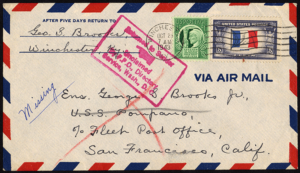 The National Postal Museum has accepted a donation of three volumes of postally used envelopes collected by the late Dr. George S. Brooks of Winchester, Kentucky. Dr. Brooks formed the collection in honor of his son LTJG George S. Brooks, Jr. USN, who was lost at sea aboard the submarine USS Pompano off the coast of Japan during World War II.
Pompano left Midway Island on patrol August 20, 1943 and never returned; its exact fate has never been conclusively determined. The elder Brooks channeled pride and grief for his son into collecting military mail that chronicled the hardships and sacrifices of wartime, especially the difficulties faced by military personnel and civilians in communicating from forward areas, secret locations and prisoner-of-war camps. Some of the last envelopes exchanged by Lieutenant Brooks and his parents – one marked simply “missing” – are an 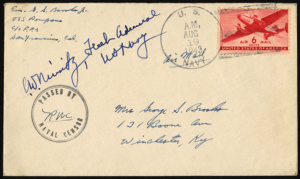 especially poignant part of the collection.
The donation was made by George S. Brooks II, accompanied by his wife, Kathy, and other members of his family. Mr. Brooks is the grandson of Dr. Brooks and the nephew of Lieutenant Brooks.
“Besides adding considerable depth to our military mail collections, the Brooks family’s gift will make it possible for the National Postal Museum to share their grandfather’s passion for collecting with others,” said Daniel Piazza, chief curator of philately.
The National Postal Museum is devoted to presenting the colorful and engaging history of the nation’s mail service and showcasing one of the largest and most comprehensive collections of stamps and philatelic material in the world. It is located at 2 Massachusetts Avenue N.E., Washington, D.C., across from Union Station. The museum is open daily from 10 a.m. to 5:30 p.m. (closed Dec. 25). For more information about the Smithsonian, please call (202) 633-1000 or visit the museum website at www.postalmuseum.si.edu.
 CALGARY – Weeks before the cauldrons are lit for the Winter Olympic and Paralympic Games in South Korea, Canada Post lifted the veil on stamps that honour some of the most accomplished athletes Canada has known.
 “The women who share the podium in these stamps broke barriers, inspired generations and have contributed to our country’s national story both on and off of the ice and snow,” says Deepak Chopra, President and CEO of Canada Post. “They have been ambassadors for their sports, impressive role models and a great source of national pride.”
 Sharon and Shirley Firth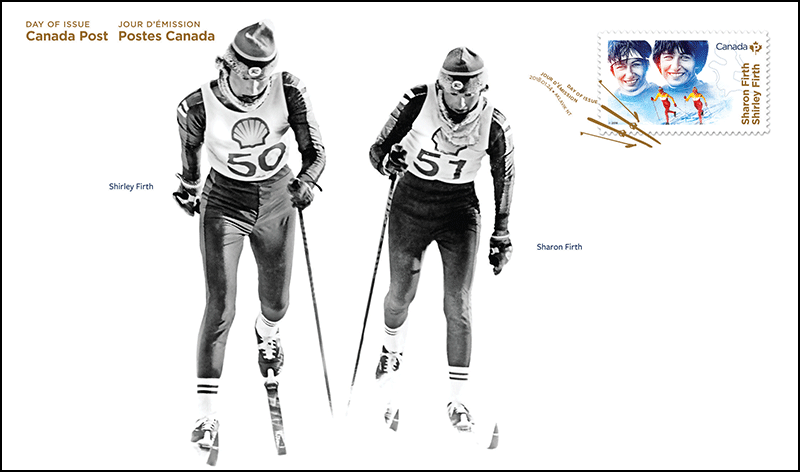
 Sonja Gaudet
 Danielle Goyette
 Nancy Greene
 Clara Hughes

 18th January 2018 — Five of Australia’s much loved television personalities will today be honoured in Australia Post’s 2018 Legends Awards to celebrate their significant contribution to the country’s entertainment industry.
 tertainment careers.
 Now in its 22nd year, the Australia Post Legends Award celebrates the lives of living Australians who have made a unique contribution, inspired the community and influenced the way Australians think about themselves and the community.
 at official Australia Day Council events hosted in Melbourne and Sydney, with the first luncheon taking place in Melbourne today. Each Legend will be presented with a unique 24-carat gold replica of their stamp at the luncheon.
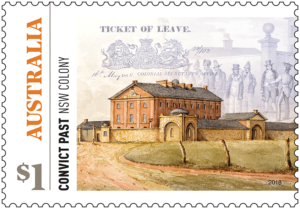 Land (Tasmania) and Swan River (Western Australia).
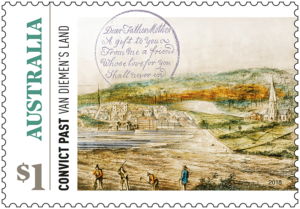 The Van Diemen’s Land stamp (right) represents the World Heritage-listed Port Arthur – a penal settlement for men and operated from 1830 to 1877. The penitentiary is one of the site’s most recognisable buildings. The stamp design also features a graphic of a convict love token, which is believed to relate to John Camplin, a 15-year-old convicted of stealing a silver watch, who received the death penalty, which was later commuted to life imprisonment.
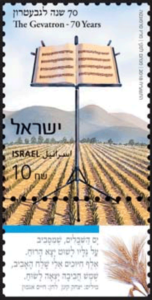 The Gevatron Chorus was founded in 1948 by a group of young people from Kibbutz Kvutzat Geva in the Jezreel Valley to perform at the dedication ceremony for a new basketball court.
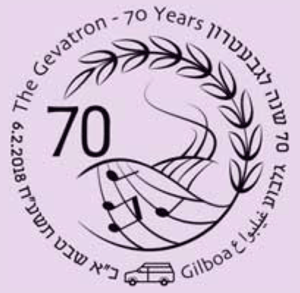 The Gevatron has a rich repertoire, comprised of songs written especially for the troupe as well as its own versions of familiar Israeli songs. The troupe is mostly identified with “songs of the homeland” and songs about settling the country, although it has recorded numerous styles and arrangements. Some of its most well known songs are: Yam Hashibolim (Sea of Grain Stalks), Emek Sheli (My Valley), Gvanim (Color Shades), Nitsanim Niru Ba’aretz (Flowers Appeared in the Land), El Borot Hamayim (To the Cisterns), Or Ve’Yerushalayim (Light and Jerusalem), Ha’Hita Zomachat Shuv (The Wheat Sprouts Again) and Bat Shishim (At Sixty).
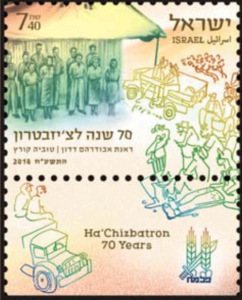 “The Chizbatron Troupe was established from within the Palmach during Israel’s War of Independence and accompanied the paupers’ army that arose from the underground organizations to face intense war”, said poet Haim Gouri.
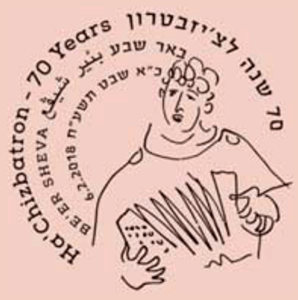 The first production included improvised skits and foreign melodies to which Haim Hefer added well written texts. Shaike Ophir and Naomi Polany were recruited from among the Palmach ranks, accompanied by Yoel Zilber on the accordion. The Negev desert area was under siege at that time, and was accessible only via air. The troupe flew south and went from post to post, where they were received very warmly. While en route to Kibbutz Be’eri, the troupe’s truck drove over a landmine. Troupe member Ohela Halevy was seriously injured and recognized as an IDF disabled veteran. This event of course changed things and it was necessary to reorganize and even write new material. Director Shmuel Bunim came into the picture and new troupe members were recruited.
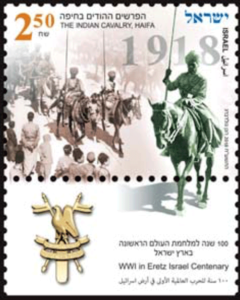 When WWI broke out in August 1914, the Ottoman Empire formed an alliance with the Central Powers (Germany and Austria) against the Allies (Britain, France and Russia). The Great War, as it was known at the time, went on for more than four years and fundamentally changed world history in general and the situation in Eretz Israel in particular.
 The stamp features an Indian cavalryman (Library of Congress, from photos of the American Colony in Jerusalem) against the background of the Indian Cavalry battalion in the streets of lower Haifa (Imperial War Museum). The tab features the insignia of the Indian army’s Ramchi Jodphur battalion.
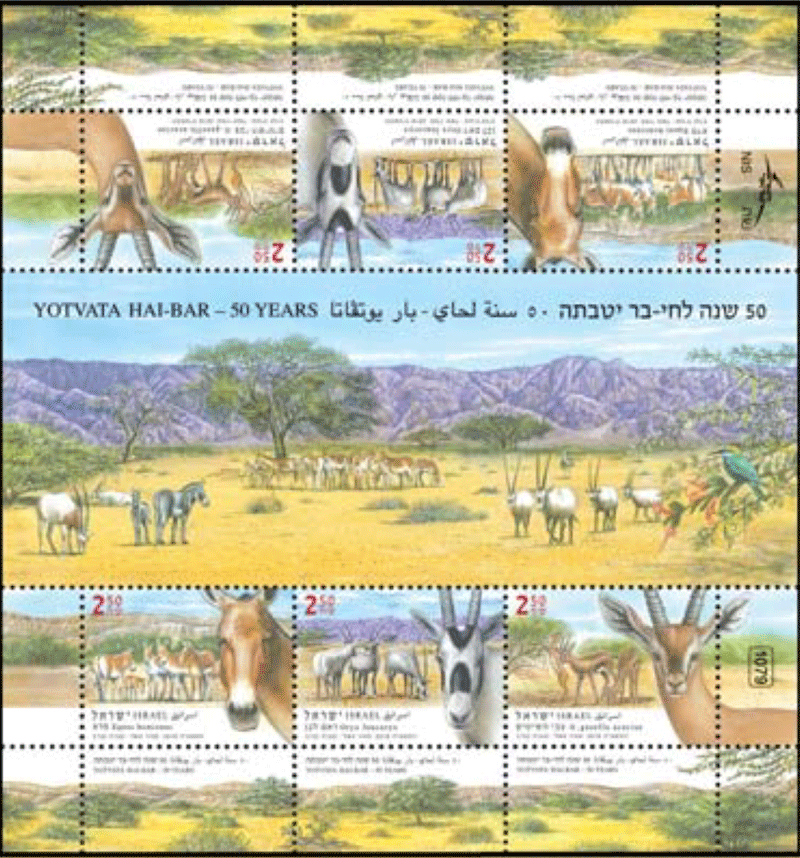
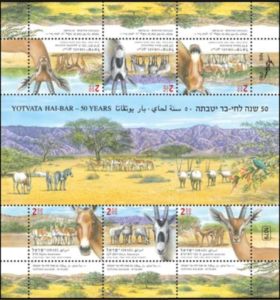 A public association called Hai-Bar was founded in the 1960’s under the patronage of the Nature Parks Authority and managed by Avraham Yaffe and Uri Tson. The association’s objective was to restore wildlife species which had become extinct in Israel and repopulate endangered species. In the early 1970’s, an area of approximately 12,000 dunams (2965 acres) was fenced in within the Yotvata Nature Reserve, which preserves one of the salt flats in the Southern Arava. Large herbivores which had become extinct in Israel were brought in, as well as a number of species that did not exist in Israel but were endangered in the world, such as the wild ass, the white antelope, the Sahara oryx, the Arabian oryx , the African wild ass and the ostrich. It is a diverse habitat, rich in species and large acacia trees which grow in the western part of the reserve.
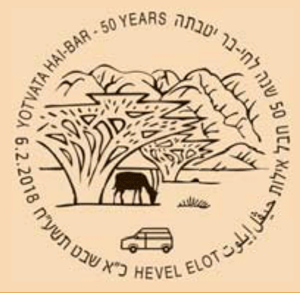 Some of the wildlife species in Yotvata Hai-Bar are not being repopulated in Israel but are raised as part of an international preservation effort to prevent their extinction. The Hai-Bar also serves as an emergency veterinary facility as well as a rehabilitation and way station for animals injured in the wild, with the intention of releasing them back into nature once they’ve healed.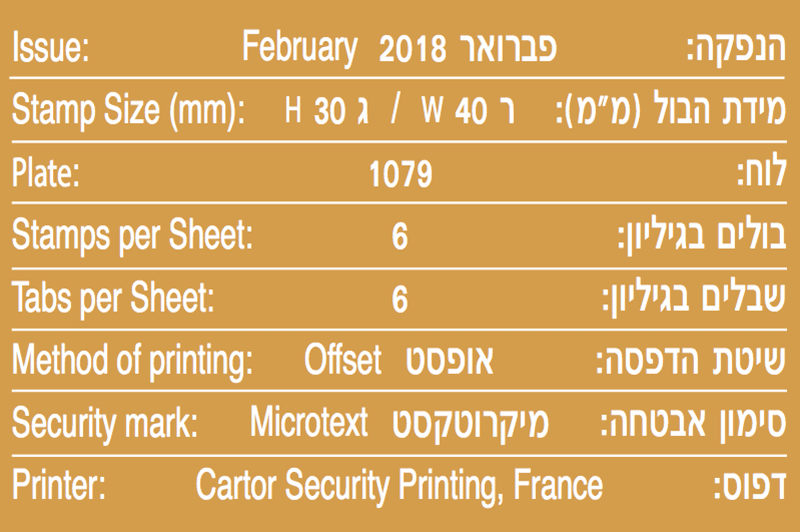
 The Six Day War not only added territory to the State of Israel, but also hundreds of thousands of Arab residents who had been exposed until then to television broadcasts from neighboring Arab countries. That was one of the motivations behind the Israeli government’s decision, after many years of indecision surrounding the establishment of a national public television station that would also broadcast in Arabic to the residents of the territories. The objective was to counter the propaganda which was being broadcasted from across the border.
 Other shows that were cornerstones of the channel were: Kolbotek — a consumer magazine that uncovered bureaucratic and consumer wrongs and also had very high viewer rating; Amud Ha’Esh — a program that showed the history of Zionism from its inception to the establishment of the State of Israel and aroused large-scale response and public debate; Nikui Rosh — a satirical program that took on the government every week anew.