
[press release]
Important Changes to Canada’s Postal Service
 OTTAWA, March 23, 2020 /CNW/ – Canada Post understands the important role the postal service plays and is committed to serving Canadians while taking action to keep our people and our communities safe. To do so effectively in these challenging times, we will continue to review and quickly adapt our approach with health and safety as our primary goal.
Canada Post has initiated the following changes to our delivery operations and retail postal network:
Changes to our retail Post Office network
Hours of Service: In many post offices operated by Canada Post, we will reduce hours of service, opening one hour later and closing one hour earlier to clean, restock and provide some relief to employees. As well, for the first hour of each day, we will offer priority service to those whom are at a higher risk (the elderly or people with compromised immune systems). Franchise operated post offices will follow the measures put in place by franchise operators.
We are working to keep our post offices open, but some may close due to building closures beyond our control and some smaller locations may close due to personnel reasons. In these cases, we will direct customers to the nearest operating post office.
Social & Physical Distancing: We are asking waiting customers to please space themselves 2 metres (6 feet) apart. We are working on signage and floor decals for larger post offices. For smaller offices, we will look to limit the number of customers. We are also working on clear barriers for the counter to increase safety.
Transactions: We will continue to accept cash, but are encouraging customers to pay by using the “tap” function on their debit or credit cards where possible.
Parcel pick-up: Parcels left at the post-office for pickup will not be returned-to-sender until further notice. We’ve suspended our normal 15-day hold period. We ask that customers who are feeling ill or self-isolating, to please delay their visit to the post office and to pick up their parcel when it’s safe to do so. Further changes to our parcel delivery process are below.
Changes to how we deliver
Parcel Delivery: To eliminate customer interactions at the door, reduce post office customer traffic and support social & physical distancing, we have implemented a Knock, Drop and Go approach. Delivery employees will knock or ring, choose the safest location available to leave the item and then depart for the next address. This change eliminates the need for signatures at the door and greatly reduces the number of parcels sent to our post offices for pick-up.
Items that require Proof of Age, ID or Customs payments will be sent directly from our depots to a retail post office for pick-up with no restrictions on when customers can pick up the item. Customers will receive a Delivery Notice Card in their mail letting them know which post office is holding their item for pickup.
Service guarantees: Our goal is to continue providing timely and reliable service. But to be safe, give our people time and manage potential challenges, we have suspended on On-time Delivery Guarantees for all parcel services, until further notice.
Help with Social Distancing
We please ask you to respect social and physical distancing with our employees who you may see out in the community. This will further support the social distancing initiatives we’ve implemented in our plants, depots and post offices. Like other organizations providing important services, our people are working hard under difficult circumstances.
During delivery: Please give our employees space and avoid opening the door or greeting them personally when they are at the door to deliver, or filling a community mailbox.
In post offices: When in a retail post office, please practise social distancing and the other measures that have been implemented.
While we all support social and physical distancing efforts to keep our communities safe, social interaction from a distance is still very much appreciated by our people. A simple smile and wave through the window to your delivery agent, a supportive thumbs-up to the driver of the Canada Post truck as they go by or patience and a thank you to the person working at the post office all go a very long way these days.
We thank Canadians for their patience and support during this period of significant change. We continue to follow the guidance of the Public Health Agency of Canada (PHAC) when it comes to creating new safety measures in our plants, depots, post offices as well as in our communities.
[en Francais]
Changements importants apportés au service postal du Canada
 OTTAWA, le 23 mars 2020 /CNW/ – Postes Canada est consciente de l’importance du service postal et s’engage à servir les Canadiens tout en prenant des mesures pour assurer la sécurité de ses employés et de la population. Pour y arriver de manière efficace en ces temps difficiles, nous continuerons d’analyser nos approches et de les adapter rapidement en faisant de la santé et de la sécurité notre objectif principal.
Postes Canada a apporté les changements suivants à ses opérations de livraison et à son réseau de vente au détail :
Changements apportés au réseau de bureaux de poste
Heures de service : Dans de nombreux bureaux de poste exploités par Postes Canada, nous réduirons les heures de service, en ouvrant une heure plus tard et en fermant une heure plus tôt afin de nettoyer les lieux et de réapprovisionner les stocks en plus de donner un certain répit au personnel. De plus, au cours de la première heure de chaque journée, nous offrirons un service prioritaire aux personnes à risque élevé (les aînés ou les personnes dont le système immunitaire est affaibli). Les bureaux de poste franchisés suivront les mesures mises en place par les exploitants.
Nous nous efforçons de garder nos bureaux de poste ouverts, mais certains pourraient fermer en raison de fermetures d’édifices hors de notre contrôle. De plus petits emplacements pourraient aussi fermer pour des raisons liées au personnel. Dans ces cas, nous dirigerons les clients vers le bureau de poste ouvert le plus près.
Mesures d’éloignement physique et social : Nous demandons aux clients dans la file d’attente de se tenir à deux mètres (six pieds) les uns des autres. Nous concevons actuellement des affiches et des autocollants de sol pour les grands bureaux de poste. Pour les petits bureaux, nous chercherons à limiter le nombre de clients. Nous travaillons également à la création de panneaux transparents pour les comptoirs afin d’accroître la sécurité.
Transactions : Nous continuerons d’accepter l’argent comptant, mais nous encourageons les clients à utiliser la fonction de paiement sans contact de leur carte de crédit ou de débit, dans la mesure du possible.
Ramassage de colis : Les colis laissés au bureau de poste aux fins de ramassage ne seront pas renvoyés à l’expéditeur jusqu’à nouvel ordre. Nous avons suspendu notre période de retenue normale de 15 jours. Nous demandons aux clients qui se sentent malades ou qui s’isolent volontairement de retarder leur visite au bureau de poste et de ramasser leur colis lorsqu’il sera sécuritaire de le faire. Vous trouverez ci-dessous d’autres changements apportés à notre procédé de livraison des colis.
Changements apportés à nos méthodes de livraison
Livraison des colis : Afin d’éliminer les interactions avec les clients à la porte, de réduire l’achalandage aux bureaux de poste et d’appuyer les mesures d’éloignement physique et social, nous avons mis en place la politique « Sonner, déposer, quitter ». Les employés de livraison cogneront ou sonneront à la porte, choisiront l’endroit le plus sécuritaire pour déposer l’article, puis se dirigeront à l’adresse suivante. Ce changement élimine les signatures à la porte et réduit considérablement le nombre de colis envoyés à nos bureaux de poste aux fins de ramassage.
Les articles qui nécessitent une preuve d’âge, une pièce d’identité ou la perception de droits de douane seront envoyés directement de nos postes de facteurs à un bureau de poste aux fins de ramassage, sans restriction quant au moment où les clients pourront ramasser leurs articles. Les clients recevront une carte Avis de livraison par la poste qui indique à quel bureau de poste se rendre pour récupérer leurs articles.
Garanties de service : Notre objectif est de continuer à offrir des services rapides et fiables. Cependant, pour assurer notre sécurité, donner du temps à nos employés et gérer les défis potentiels, nous avons suspendu les garanties de livraison à temps pour tous les services des colis jusqu’à nouvel ordre.
Faciliter l’éloignement social
Nous vous demandons de respecter les mesures d’éloignement social et physique si vous croisez nos employés dans votre collectivité. De cette façon, vous appuierez davantage les initiatives d’éloignement social que nous avons mises en œuvre dans nos établissements, nos postes de facteurs et nos bureaux de poste. Comme dans d’autres entreprises qui fournissent des services importants, notre personnel travaille fort dans des circonstances difficiles.
Pendant la livraison : Laissez de l’espace à nos employés et évitez de leur ouvrir la porte ou de les saluer de près lorsqu’ils effectuent des livraisons à la porte ou remplissent une boîte postale communautaire.
Dans les bureaux de poste : Lorsque vous êtes dans un bureau de poste, respectez les mesures d’éloignement social et les autres mesures qui ont été mises en place.
Nous appuyons bien entendu toutes les mesures pour assurer la sécurité de la population, mais l’interaction sociale à bonne distance est toujours très appréciée par nos employés. Sourire et saluer de la main votre agent de livraison, lever le pouce en signe de soutien au conducteur d’un camion de Postes Canada lorsqu’il passe ou faire preuve de patience et remercier la personne qui travaille au bureau de poste sont tous des petits gestes qui encouragent notre personnel.
Nous remercions les Canadiens de leur patience et de leur soutien pendant cette période de changement important. Postes Canada continue de suivre les directives de l’Agence de la santé publique du Canada (ASPC) en ce qui concerne la mise en place de nouvelles mesures de sécurité dans nos établissements, nos postes de facteurs, nos bureaux de poste et nos collectivités.
 “
“
 Under the Multinational Species Conservation Funds Semipostal Stamp Act of 2013, the sale of Save Vanishing Species semipostal stamps (Item 576600) and related products have been reauthorized pursuant to Public Law 113-165.
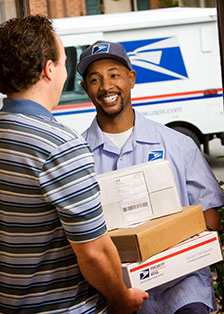
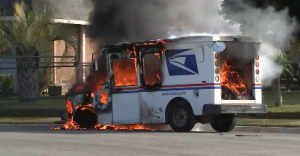 His delivery truck had broken down while making the rounds midday on Christmas Eve and he was waiting for a tow when it burst into flames.
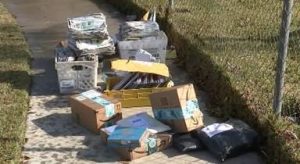 The Riverside Press-Enterprise newspaper reports the USPS will send a letter to all customers along the delivery route. Those who were expecting a package that might have been destroyed should contact the local USPS consumers affairs office at 858-674-2670.
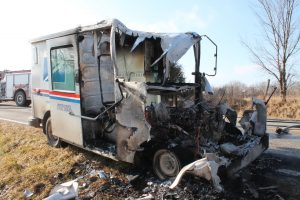 This letter carrier was able to save all the packages in his truck. The volunteer fire department posted on Facebook, “the mailman saved Christmas!”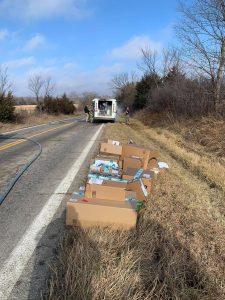
 473800 (Forever) Jaime Escalante PSA Pane of 20
 760000 (Forever) Patriotic Spiral PSA Coil/10k
 WASHINGTON — Postmaster General Megan J. Brennan today named Bolivar J. Bueno as chairman of the
  Klug, a noted philatelist and author, joined CSAC in 2010 and became chairman in 2014. She previously served as president of the American Philatelic Society and also chaired the New Initiatives Committee of the Smithsonian National Postal Museum Council of Philatelists.
 “Megan Brennan is a devoted public servant who has helped lead the United States Postal Service through some very challenging circumstances,” said Robert M. Duncan, Chairman of the Board of Governors. “The Governors greatly appreciate her leadership and devotion to the Postal Service.”
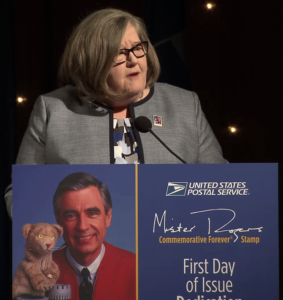 Brennan expressed her sincere gratitude to the men and women of the United States Postal Service. “I have had the privilege to work with you over the course of my 33-year career. You embody the spirit of public service, you earn the trust of the American people every day, and you continually reinforce my reverence for this institution and my abiding belief in our mission.”
 WASHINGTON — In the blink of an eye summer is over and now it’s fall. Before you know it, it will be time for the holidays again. Fortunately, the U.S. Postal Service has your back with all the mailing deadlines you need to know for the expected delivery of cards and gifts to your loved ones, whether they’re overseas or across the country.
 Busiest Mailing and Delivery Days
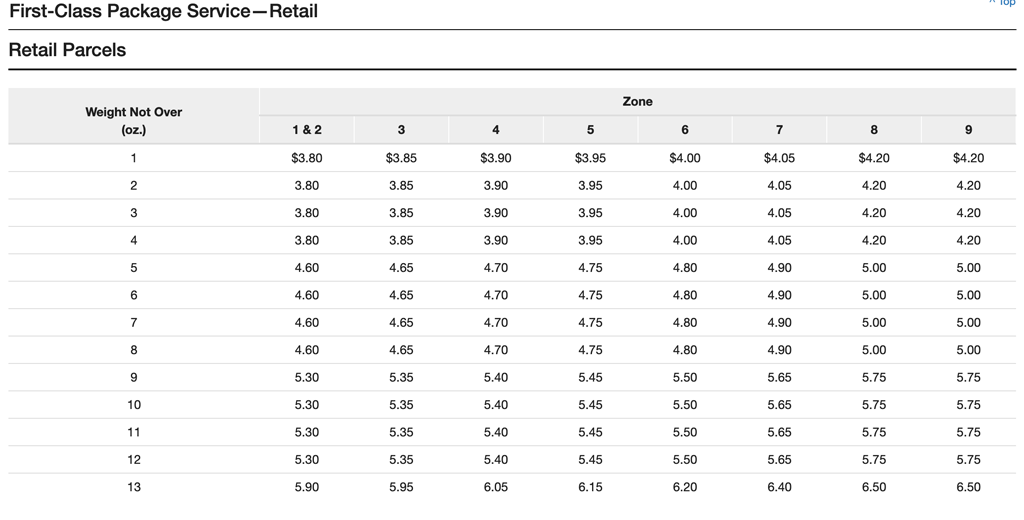
 WASHINGTON — The United States Postal Service filed notice with the Postal Regulatory Commission (PRC) today of price changes to take effect Jan. 26, 2020.
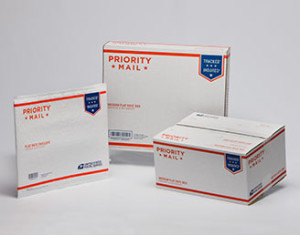 Postal Service does not add surcharges for fuel, residential delivery, or regular Saturday or holiday season delivery.
 WASHINGTON — The United States Postal Service is increasing the safety and security of its collection box procedures through a modification of the long-standing Aviation Mail Security Rule, which was established in August 1996 and called for all packages weighing 16 ounces to be presented in person to a postal clerk or a letter carrier. The action was taken to enhance security measures and to protect the public, postal employees and postal contractors who transport the U.S. Mail.